

Key Points
- A three-month partial closure order has been issued for a Cambridge home following persistent anti-social behaviour concerns
- Cambridge Magistrates’ Court granted the order after an application from Cambridgeshire Constabulary’s Cambridge Neighbourhood Team
- The property at 8 Donegal, Staffordshire Street will remain closed until 28 April 2026, except for emergency services
- This follows an initial partial closure order placed for three months in November 2025
- Five arrests have been made for breach of the previous closure order
- Only the tenant, landlord, and emergency services may access the property until the order expires
- Anyone found unlawfully on the premises faces arrest
- Cambridge City Council will work with residents to explore alternative housing options
- The order was granted under the Anti-Social Behaviour and Policing Act 2014
- Local residents in the surrounding area have endured months of anti-social behaviour incident.
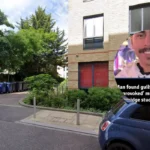
(Cambridge Tribune) June 04, 2026 – A three-month partial closure order has been placed on a Cambridge home after concerns over anti-social behaviour. It was issued by Cambridge Magistrates’ Court on 29 January 2026 following an application from Cambridgeshire Constabulary’s Cambridge Neighbourhood Team, as reported by the Cambridge Independent. The property located at 8 Donegal, Staffordshire Street will now remain closed until 28 April 2026, with only emergency services permitted to enter the premises during this period.
- Key Points
- How Did Anti-Social Behaviour Lead to This Court Order?
- What Powers Did the Court Use to Issue This Order?
- Who Is Affected by This Closure Order?
- What Happens After the Closure Order Expires?
- How Does This Compare to Other Closure Orders in Cambridgeshire?
- What Legal Framework Supports These Closure Orders?
- Background of This Development
- How Will This Closure Order Affect Cambridge Residents and Tenants?
How Did Anti-Social Behaviour Lead to This Court Order?
Residents living in the surrounding area of the property have endured months of anti-social behaviour incidents, according to police statements. The action follows an initial partial closure which was put in place for three months in November 2025. Since then, there have been five arrests for breach of the order, demonstrating the ongoing nature of the problem at this location.
As reported by PC Sarah Pride of the East Cambridge Neighbourhood Team in an official neighbourhood alert, “A three-month closure order has been placed on a Cambridge home following concerns of anti-social behaviour and drug misuse”. The closure order was granted, and the property will be closed for three months to address these persistent issues.
What Powers Did the Court Use to Issue This Order?
The full closure order states the premises be closed in accordance with the Anti-Social Behaviour and Policing Act 2014, as confirmed in the official police communication. This legislation provides authorities with the legal framework to close properties where anti-social behaviour is occurring. No one is permitted to enter except the emergency services until 28 April 2026.
Cambridge Magistrates’ Court issued the order closing 8 Donegal, Staffordshire Street, today (29 January) following an application from Cambridgeshire Constabulary’s Cambridge Neighbourhood Team, according to eCops reporting on the closure order for Cambridge flat. The court’s decision reflects the severity of the situation and the need for immediate intervention to protect the local community.
Who Is Affected by This Closure Order?
Under the partial closure order, only the tenant of the property is permitted to reside there after the court ruling was secured, as confirmed by Cambridgeshire Police in a separate report about a similar closure case in Ramsey. The purpose of this order is to deter “those who have been frequenting the property from engaging in anti-social behavior and other criminal activities,” according to police statements.
Access to the property is limited to the tenant, the landlord, and emergency services until the order expires. Violating this order may lead to arrest, as authorities have made clear. Anyone found on the premises unlawfully render themselves liable for arrest, PC Sarah Pride warned in her neighbourhood alert.
What Happens After the Closure Order Expires?
Cambridge City Council will now work with the residents to explore other housing options, acknowledging that the closure may displace current occupants. This coordination between police and local authority demonstrates the comprehensive approach being taken to address anti-social behaviour in Cambridge.
A closure order can be made for a maximum of three months under current legislation. However, the police or local authority can apply, before expiry of the original term, for an extension if the anti-social behaviour persists, according to housing legal resources from Shelter England.
How Does This Compare to Other Closure Orders in Cambridgeshire?
This case is not isolated in the region. Authorities have enforced a three-month closure of a residence following persistent anti-social behavior reported by local residents in Ramsey, according to a BBC News report from April 2026.Only the tenant of 17 Mallard Close in Ramsey is permitted to reside there after a court ruling was secured, as confirmed by Cambridgeshire Police.
Similarly, a home in Huntingdon has been shut down for three months after repeated reports of anti-social behaviour from nearby residents, as reported by Black Cat Radio. Cambridge Magistrates’ Court granted the closure order for a home at Brookland Terrace in Sayer Street after an application by Cambridgeshire Police. Under that order, nobody is allowed to enter the property until 11 August except emergency services and the landlord.
Two neighbouring properties in Cambridge have been issued with three-month closure orders following concerns about anti-social behaviour, according to Neighbourhood Alert, indicating a broader pattern of enforcement action across the city.
What Legal Framework Supports These Closure Orders?
The Anti-Social Behaviour and Policing Act 2014 provides the legal basis for closure orders in England and Wales. This legislation empowers police and local authorities to take swift action against properties used for anti-social behaviour or criminal activities. The full closure order states the premises be closed in accordance with this act, as confirmed in the official police communication regarding 8 Donegal, Staffordshire Street.
Police say it is to prevent people from committing anti-social behaviour and criminal offences, as explained in the BBC News coverage of the Ramsey closure case. The partial closure order was granted by Huntingdon Magistrates’ Court in response to a request from the St Ives Neighbourhood team of Cambridgeshire Constabulary in that instance.
Background of This Development
The use of closure orders in Cambridgeshire has increased significantly as authorities tackle rising anti-social behaviour concerns across the region. Cambridge Magistrates’ Court has been actively processing applications from Cambridgeshire Constabulary’s neighbourhood teams throughout 2025 and into 2026. The case at 8 Donegal, Staffordshire Street represents a continuation of enforcement action, with an initial partial closure order already in place since November 2025.
The five arrests made for breach of the previous closure order demonstrate the challenges authorities face when individuals ignore court orders. This pattern of behaviour prompted the court to issue a definitive three-month closure with strict access limitations. Cambridge City Council’s involvement in exploring alternative housing options reflects the council’s statutory duty to support residents affected by such enforcement actions.
The Anti-Social Behaviour and Policing Act 2014, which enabling these closure orders, was introduced to provide faster, more effective remedies for communities affected by nuisance and anti-social behaviour. The maximum three-month duration for closure orders balances the need for immediate intervention with proportionality in enforcing housing rights.
How Will This Closure Order Affect Cambridge Residents and Tenants?
This development will significantly impact multiple groups within the Cambridge community. The tenant at 8 Donegal, Staffordshire Street faces uncertainty about their housing situation, as Cambridge City Council works to explore alternative housing options. While the tenant can remain in the property under the partial closure order, their ability to receive visitors or conduct normal social activities is severely restricted.
Local residents surrounding the property should experience immediate relief from the anti-social behaviour that has plagued their neighbourhood for months. The closure order directly addresses their concerns by preventing individuals from frequenting the property and engaging in criminal activities. This enforcement action demonstrates that authorities are responding to community complaints about anti-social behaviour.
Potential visitors or individuals who have been frequenting the property must now avoid the premises entirely, as anyone found unlawfully on the property faces arrest. This stark warning serves as a deterrent to those who have contributed to the anti-social behaviour problem. The six-month timeline (from November 2025 initial closure through April 2026) provides a substantial period for the behaviour to change and for alternative arrangements to be made.
The broader Cambridge community may see this as precedent for how authorities will respond to similar anti-social behaviour issues in their own neighbourhoods. The coordination between Cambridgeshire Constabulary, Cambridge Magistrates’ Court, and Cambridge City Council demonstrates a multi-agency approach that other communities can expect when reporting persistent anti-social behaviour concerns.
For landlords of properties in Cambridge, this case highlights the importance of addressing anti-social behaviour quickly to avoid closure orders that can disrupt tenancy agreements and property income. The involvement of the landlord in the closure order process means they must cooperate with authorities and potentially seek alternative arrangements for their property.