
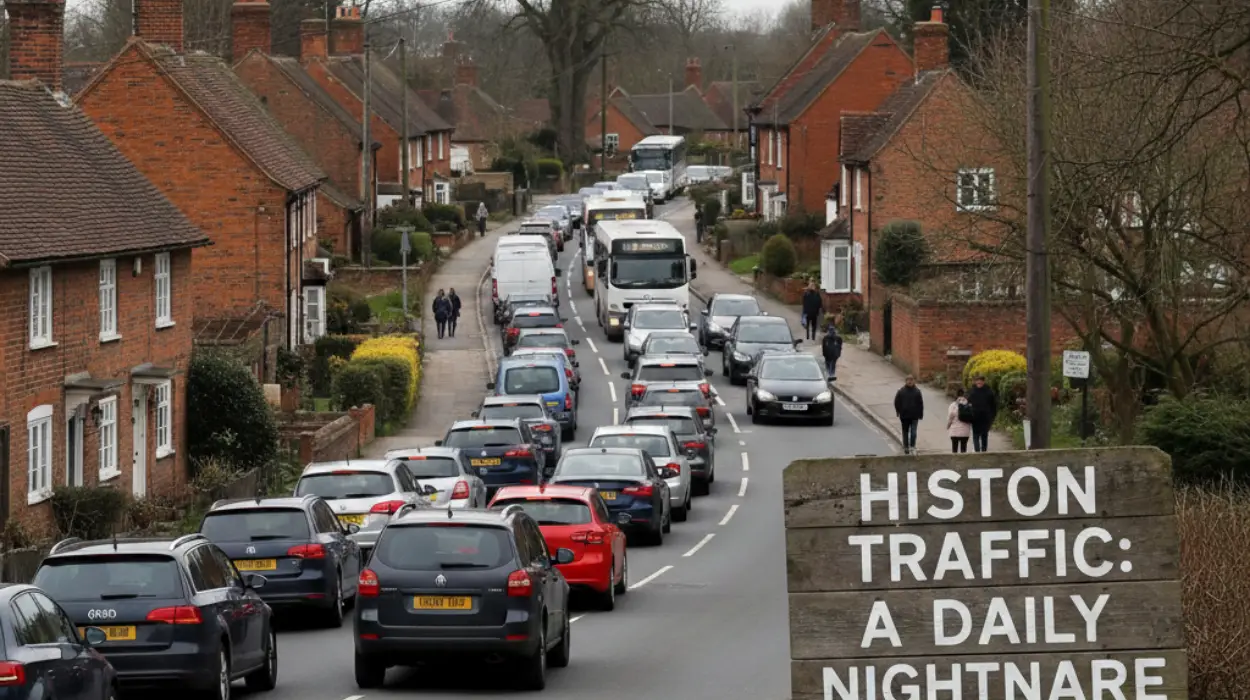
Traffic in Histon, the vibrant village just north of Cambridge, has become a daily ordeal for thousands of residents navigating the pressures of proximity to one of the UK’s fastest-growing tech hubs. Once a peaceful rural outpost, Histon now contends with relentless congestion spilling over from Cambridge’s expansion, turning short commutes into hours-long battles. This evergreen analysis uncovers the root causes of resident frustration, from arterial road bottlenecks to controversial infrastructure changes, while highlighting community calls for sustainable relief.
- A14: The Primary Bottleneck Strangling Histon
- Guided Busway Closures: Safety Measures Backfiring on Mobility
- Vision Park Expansion: Economic Boom, Traffic Curse
- Rat-Running and HGV Menace on Village Lanes
- Housing Growth Amplifying Congestion Pressures
- Safety Concerns Fueling Resident Outrage
- Community Voices: Real Stories of Frustration
- Proposed Solutions and Glimmers of Hope
- Why Traffic Frustration Persists in Histon
A14: The Primary Bottleneck Strangling Histon
The A14 motorway, slicing across Histon’s northern edge, serves as the village’s main gateway to Cambridge and beyond, carrying over 40,000 vehicles daily through key junctions like the Histon Interchange. This strategic route links the M11 and M6 corridors, funneling commuters, HGVs, and tech workers from Vision Park toward the city center, where peak-hour delays routinely stretch 30-60 minutes. Residents report tailbacks reaching back to the village’s High Street, exacerbated by frequent breakdowns, roadworks, and accidents that cascade into total gridlock.
Construction booms amplify the strain, with nearby Northstowe’s 10,000 planned homes and Waterbeach New Town injecting thousands more cars onto the A14 without proportional road widening. Local drivers describe mornings when the slip roads become parking lots, forcing risky maneuvers onto narrow B roads like Cottenham Road. South Cambridgeshire District Council’s monitoring confirms A14 volumes surpassing pre-pandemic peaks, with average speeds dropping below 20 mph during rush hours. For Histon families, this means children late for school at Impington Village College and parents missing work deadlines, fueling widespread anger at government inaction on upgrades.
Guided Busway Closures: Safety Measures Backfiring on Mobility
The Cambridge Guided Busway, repurposed from the old railway line snaking through Histon, promised efficient public transport but has instead sparked fury with recent safety-driven closures. Informal crossings at The Orchard and Manor Park lifelines for pedestrians and cyclists heading to shops or schools were shuttered last year amid collision concerns, leaving residents to detour via distant underpasses or risk jaywalking. Cambridgeshire County Council’s £2 million pledge for a single reinstated formal crossing feels like a drop in the bucket, with a 2026 survey now pitting locations against each other while fencing installation causes further disruptions between Histon and Oakington.
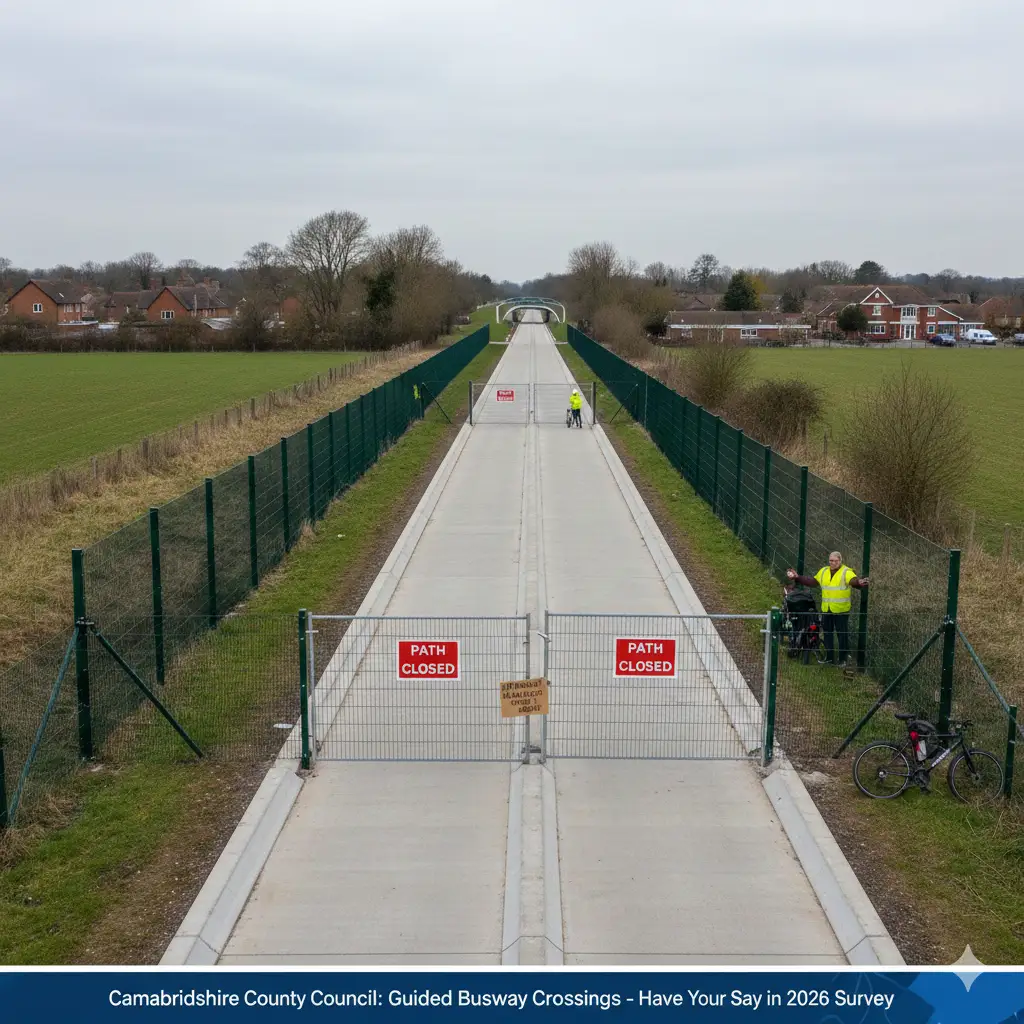
Phase one fencing along Histon-Pagram Way has already triggered localized hold-ups, as construction lorry convoys clog residential lanes. Parents voice fears over unsupervised children navigating barriers, while cyclists lament fragmented paths that deter active travel. The Busway’s dual role as a freight-hauling rail remnant adds HGV traffic, mirroring complaints from nearby Cottenham where rat-running evades A14 queues. Histon Parish Council meetings echo these grievances, with calls for a second bus stop at the new crossing unmet, prolonging journeys for the 7,900 locals reliant on this corridor.
Vision Park Expansion: Economic Boom, Traffic Curse
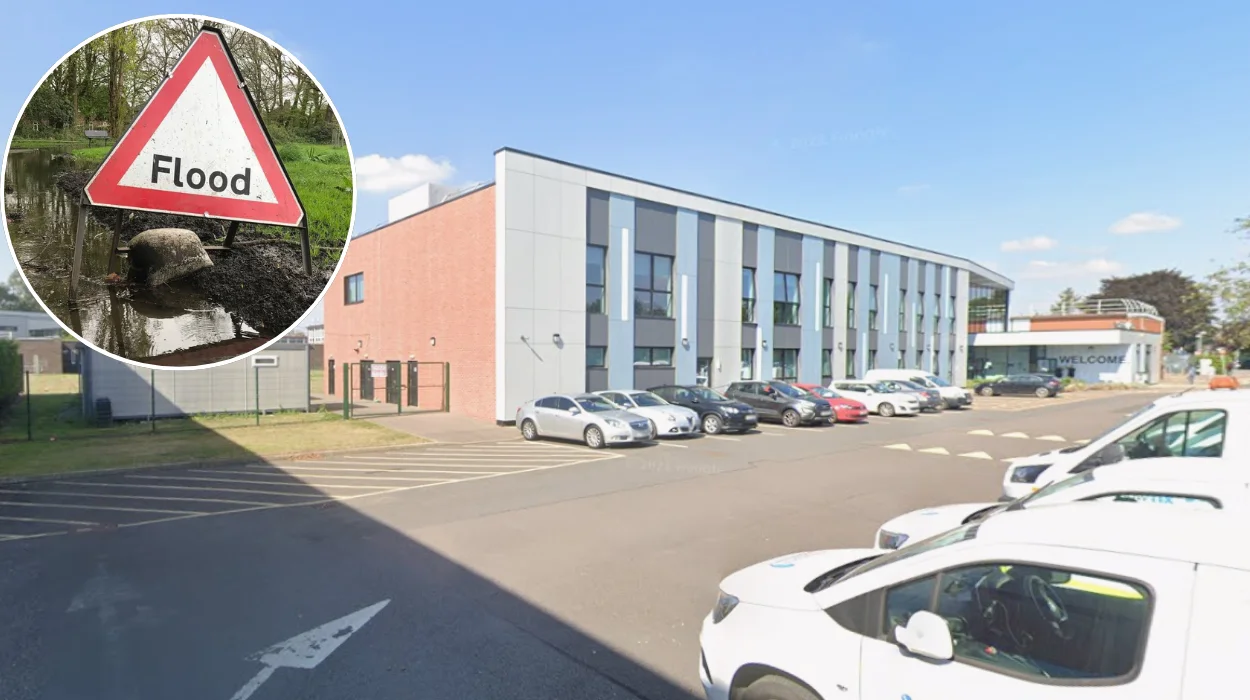
Vision Park, Histon’s homegrown tech enclave on former Chivers jam factory grounds, embodies Cambridge’s Silicon Fen success but at a steep mobility cost. Home to over 70 companies including the Internet Watch Foundation, the park employs thousands commuting daily via Lancaster Way and the A14, swelling traffic by 15-20% during shifts. Expansions promising “meaningful community benefits” like sustainable labs clash with reality: parked employee cars overflow into village streets, and delivery vans battle peak congestion.
Residents near Glebe Road report Vision Park shuttle buses idling amid queues, while proposals for Cambridge Science Park North threaten to double the influx by 2030 with manufacturing hubs. The Histon and Impington Neighbourhood Plan mandates transport assessments, yet locals decry insufficient park-and-ride facilities or cycle links, pushing more solo drivers onto roads. This economic vibrancy, while boosting property values, translates to frustrated evenings where a five-minute errand to Tesco Express becomes a 25-minute crawl, eroding quality of life.
Rat-Running and HGV Menace on Village Lanes
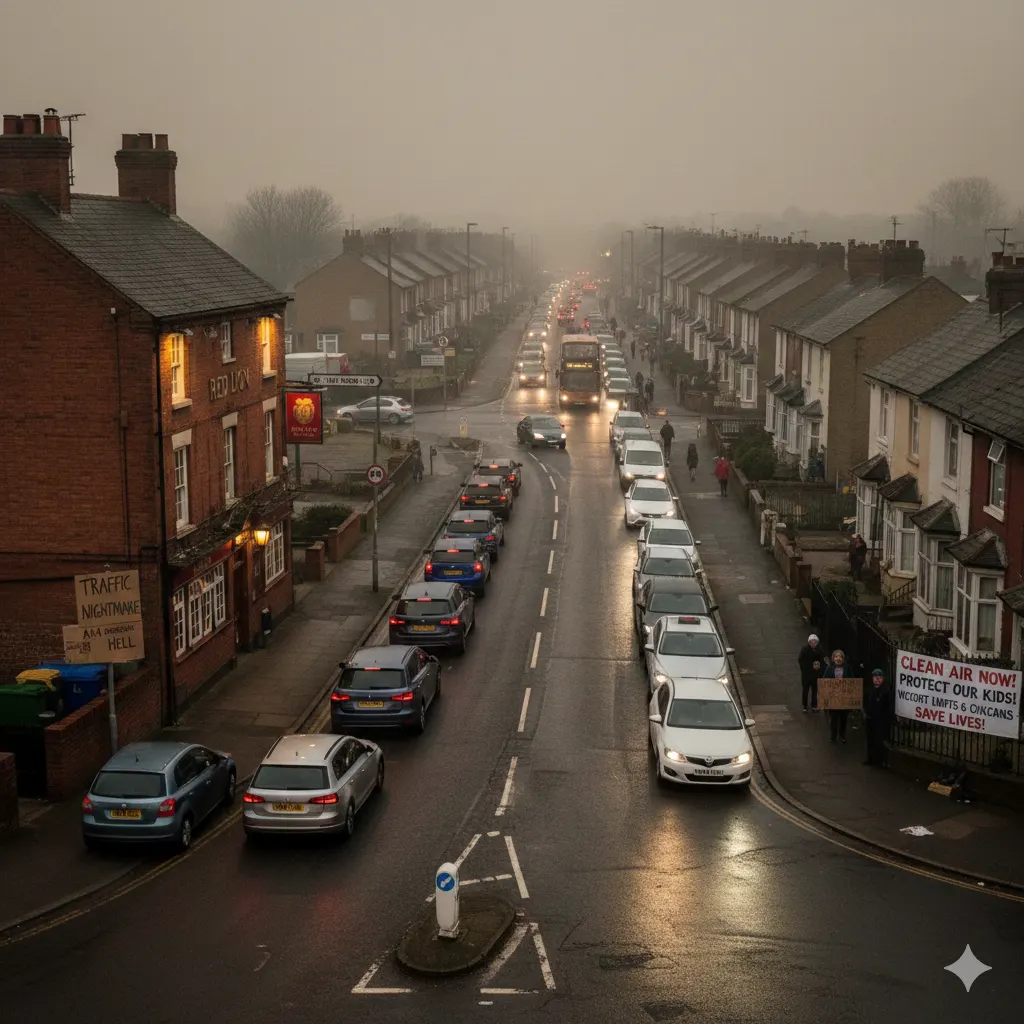
Beyond major routes, Histon’s quaint lanes like High Street and Station Road suffer from rat-running as drivers dodge A14 and Huntingdon Road queues. HGVs bound for farms or construction sites thunder through at 30-40 mph on pavements barely wide enough for pedestrians, rattling windows and spewing fumes into bedrooms. Parish surveys from 2017 onward highlight speeding as the top complaint, with near-misses involving schoolchildren near Brookfields School prompting 20 mph zone expansions yet enforcement lags.
The linear village layout funnels this traffic past pubs like The Red Lion and toward Impington, where Denmark Road junctions lack medians. Residents liken it to living on a de facto relief road, especially during A14 incidents when Cottenham Road sees surges from Waterbeach traffic. Noise pollution disrupts sleep, and air quality dips below county averages near schools, sparking health worries among families. Calls for weight restrictions and chicanes grow louder, but budget constraints sideline them amid competing priorities like housing.
Housing Growth Amplifying Congestion Pressures
Histon’s population boom from 4,655 in 2011 to nearly 8,000 in 2024 directly correlates with traffic woes, as new estates like those off Cottenham Road add 500+ cars without matching infrastructure. Infill projects, including 28 homes with just four parking spaces (scrapped after backlash) and 15 library flats, ignite debates over under-provision sparking street clutter. Young families in these developments face perilous walks across Rampton Road to GP surgeries or shops, with narrow pavements forcing prams into traffic.
South Cambridgeshire’s 36% growth forecast to 2041 projects Histon absorbing more, straining the A14 and Busway further unless developer contributions fund road enhancements. The 2016 Big Community Survey revealed 65% demanding better transport links, yet plans lag, leaving newcomers disillusioned. This cycle growth begets traffic, traffic deters cycling perpetuates car dependency in a village primed for sustainable modes.
Safety Concerns Fueling Resident Outrage
Fatalities and collisions underscore the human toll, with residents citing Histon Road wrecks and Busway incidents as wake-up calls. Pre-20 mph zones saw HGVs and speeding cars claim lives near Denmark Road, while floating bus stops on nearby Histon Road schemes praised citywide feel worlds away. School runs amplify risks, with hordes of children dodging vehicles at un-signalized crossings, prompting parental petitions for zebra stripes.
Cycling, Histon’s aspirational green alternative, falters amid intimidating volumes; post-pandemic data shows plateaued bike use despite paths, as peak congestion worsens. Elderly villagers shun walks to The Green, fearing pollution and close passes. Parish logs brim with near-misses, galvanizing campaigns like the Busway crossing reinstatement, yet piecemeal fixes breed cynicism toward Cambridgeshire County Council.
Community Voices: Real Stories of Frustration
Local forums pulse with raw accounts: a High Street resident endures dawn HGVs shaking their home, a Vision Park worker budgets 45 minutes for a 10-mile trip, and parents at Park Primary rally against Station Road perils. HI Hub comments decry Busway fencing delays, while Facebook groups amplify A14 horror tales. “Histon feels like a holding pen for Cambridge’s overflow,” sums up one anonymous post, capturing the sentiment of betrayal after years of tax contributions.
Highways Committee testimonies from January 2026 reveal similar woes in adjacent areas, with Histon riders noting 20 mph gains in safety but lamenting journey times. These narratives humanize data, pressuring officials via neighbourhood plans and elections.

Proposed Solutions and Glimmers of Hope
Optimism flickers with initiatives like the Histon Road CYCLOPS junction award-winning for slashing cyclist risks and Busway crossing surveys promising 2026 delivery. Parish pushes for A14 smart motorways, expanded Vision Park shuttles, and 20 mph blanket zones gain traction, backed by Greater Cambridge Partnership funding.
Neighbourhood Plan policies demand traffic-neutral developments, including cycle superhighways to Orchard Park and park-and-stride at schools. Long-term, Northstowe’s relief road and East-West Rail could divert flows, while tech like AI signals optimizes flows. Resident-led traffic groups collaborate with councils, turning frustration into advocacy.
Why Traffic Frustration Persists in Histon
Histon’s plight stems from Cambridge’s unchecked boom colliding with rural infrastructure, where Vision Park jobs and housing influx outpace roads. Without bold interventions like congestion charging or mass transit, daily misery endures. Yet community resilience evident in vocal campaigns positions Histon to reclaim mobility, blending village charm with modern access.
As 2041 looms, balancing growth and flow defines Histon’s future. Residents demand action now, lest traffic erodes the very appeal drawing newcomers.