
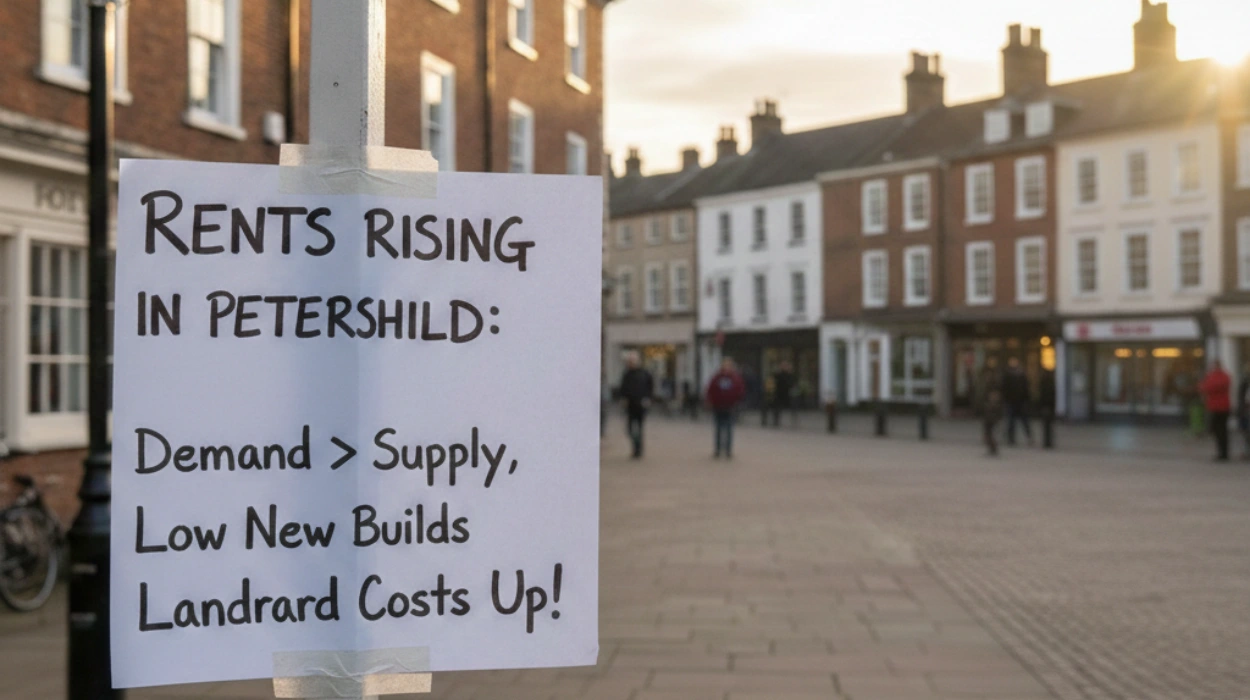
Cambridge’s Petersfield area has long been a desirable spot for renters, blending suburban calm with city access. Yet, over recent years, rental prices here have climbed steadily, outpacing many other neighborhoods. This trend reflects broader challenges in one of the UK’s most sought-after cities.
- Understanding Petersfield’s Appeal
- The Housing Supply Crunch
- University Influence on Rental Demand
- Economic Pressures Fueling Increases
- Commuter Boom and Remote Work Shifts
- Impact of Local Policies and Taxes
- Demographic Changes Driving Demand
- Tech and Innovation Hub Spillover
- Maintenance and Modernization Costs
- Market Comparisons Within Cambridge
- Tenant Impacts and Budget Strains
- Landlord Perspectives on Rent Setting
- Future Projections for Petersfield Rents
- Navigating the Rental Market
- Long-Term Solutions for Affordability
- Historical Context of Cambridge Rents
- Sustainability and Green Retrofitting
- Community and Lifestyle Factors
Understanding Petersfield’s Appeal
Nestled in the heart of Cambridge, Petersfield stands out for its quiet residential streets lined with Victorian and Edwardian homes, just a short walk from the bustling city center. Its proximity to Cambridge Railway Station makes it ideal for commuters heading to London, while local parks like Petersfield Playground offer green spaces for families. This mix of convenience and charm naturally drives demand, pushing rents higher as more people seek a foothold in this prime location.
The area’s evolution from farmland in the 19th century to a modern suburb underscores its enduring popularity. Historical records show Petersfield developing alongside Cambridge’s academic expansion, attracting professionals and academics alike. Today, with average rents hovering around £1,800 per month for a two-bedroom flat up 8% from five years ago tenants feel the squeeze.
The Housing Supply Crunch
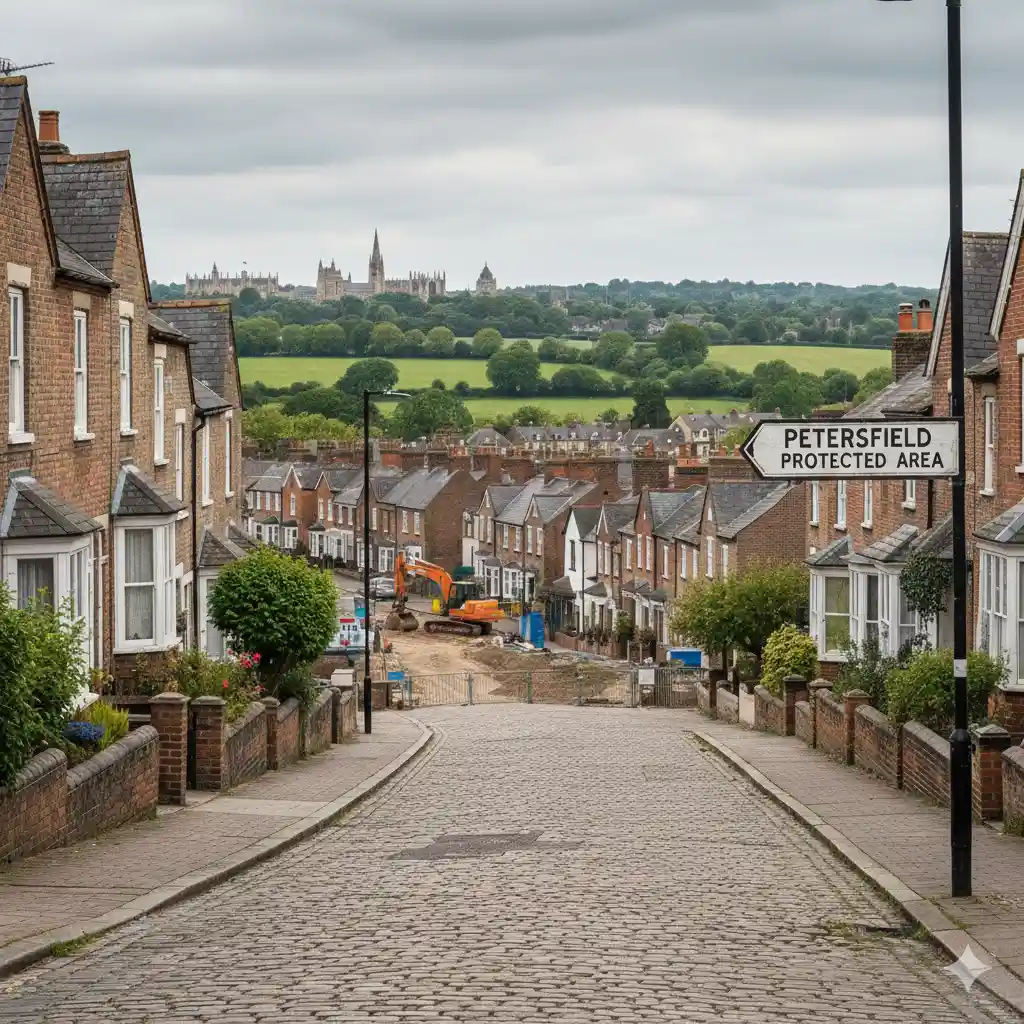
A primary driver of rising rents in Petersfield is the chronic shortage of housing stock. Cambridge, home to the prestigious University of Cambridge, faces intense pressure from population growth, yet new builds struggle to keep pace. Local planning restrictions, including green belt protections around Petersfield, limit large-scale developments, leaving a gap between demand and availability.
Government data highlights this imbalance: Cambridgeshire‘s housing completions fell short of targets by 20% last year, exacerbating scarcity in areas like Petersfield. Landlords hold fewer properties vacant, and turnover is low as tenants stay put amid high moving costs. This supply-demand mismatch has seen rents rise by an average of 6.5% annually since 2020.
In Petersfield specifically, the prevalence of family homes and smaller rental units means competition is fierce. Young professionals and couples snap up listings quickly, often bidding above asking price, which inflates the market further.
University Influence on Rental Demand
The University of Cambridge, with over 24,000 students, exerts a massive pull on Petersfield’s rental market. Many opt for private housing in this area due to its affordability compared to central college accommodations and its bike-friendly paths to lectures. Petersfield’s student population swells demand each term, particularly for one- and two-bedroom flats.
This academic influx creates seasonal spikes, but the overall effect is a sustained upward pressure on prices. Parents funding grown children or postgrads with stipends pay premiums, setting a higher baseline for all renters. Local estate agents report that university-related lettings account for nearly 40% of Petersfield’s turnover.
Beyond students, university staff academics, researchers, and administrators add to the mix. With competitive salaries but limited on-campus housing, they turn to Petersfield, where proximity to labs and libraries is a bonus. This dual demand from students and faculty keeps vacancy rates below 2%.
Economic Pressures Fueling Increases
Inflation and rising interest rates have hit landlords hard, prompting rent hikes to cover costs. Mortgage rates for buy-to-let properties jumped from 2.5% in 2021 to over 5% today, squeezing profit margins. Energy bills and maintenance expenses have also surged, with landlords passing on these burdens.
In Petersfield, where many properties are older, upkeep costs like boiler repairs or damp treatment are notorious. A typical landlord might face £3,000 more annually in outgoings, leading to 5-7% rent adjustments. Economic analyses confirm that such cost pressures explain 43% of recent UK rent rises.
National trends mirror this: the UK rental index rose 8.6% year-on-year, with Cambridge leading at 9.2%. Petersfield, as a micro-market, feels amplified effects due to its desirability.
Commuter Boom and Remote Work Shifts
Petersfield’s location near the station has fueled a commuter renaissance, especially post-pandemic. Hybrid workers from London tech firms and finance sectors eye the 45-minute train ride, drawn by Cambridge’s lower homeownership costs. This has shifted demand from short-term lets to longer tenancies, stabilizing but elevating prices.
Remote work has blurred urban boundaries, bringing higher earners into Petersfield. Families relocating from pricier London boroughs bid up rents, with three-bedroom homes now averaging £2,500 monthly a 12% jump since 2023. Estate agent insights point to this influx as a key escalator.
Impact of Local Policies and Taxes
Cambridge City Council’s recent decisions, like the 5% residential tax hike, indirectly boost rents as landlords recoup losses. While not a direct pass-through, discussions among owners suggest tenants bear much of the load, adding £200-400 annually to bills.
Planning policies prioritizing preservation over density in Petersfield restrict supply. Efforts like the 2018 Envision Cambridge plan aim for 3,000 new affordable units citywide, but Petersfield sees few, heightening local tensions. Proposed rent caps at inflation or 5% whichever lower face legislative hurdles, leaving markets unchecked.
Demographic Changes Driving Demand
Cambridge’s population grew 12% this decade, fueled by tech growth at sites like the Cambridge Science Park. Petersfield attracts young families and downsizers, with school catchments like Romsey Infant School boosting appeal. This demographic shift sustains high occupancy.
Migration from overseas, particularly skilled workers in biotech and AI, targets Petersfield for its community feel. With birth rates steady and aging-in-place trends, family-sized rentals remain scarce, pushing prices for all sizes upward.
Tech and Innovation Hub Spillover
Cambridge’s status as “Silicon Fen” draws startups and multinationals, employing thousands who need housing. Petersfield benefits from spillover, with workers preferring its tranquility over noisier areas like Arbury. Salaries averaging £55,000 enable rent premiums.
The cluster’s expansion, including AstraZeneca’s campus, has added 5,000 jobs since 2020, many unfilled locally due to housing costs. This talent shortage indirectly raises rents as firms subsidize employee moves.
Maintenance and Modernization Costs
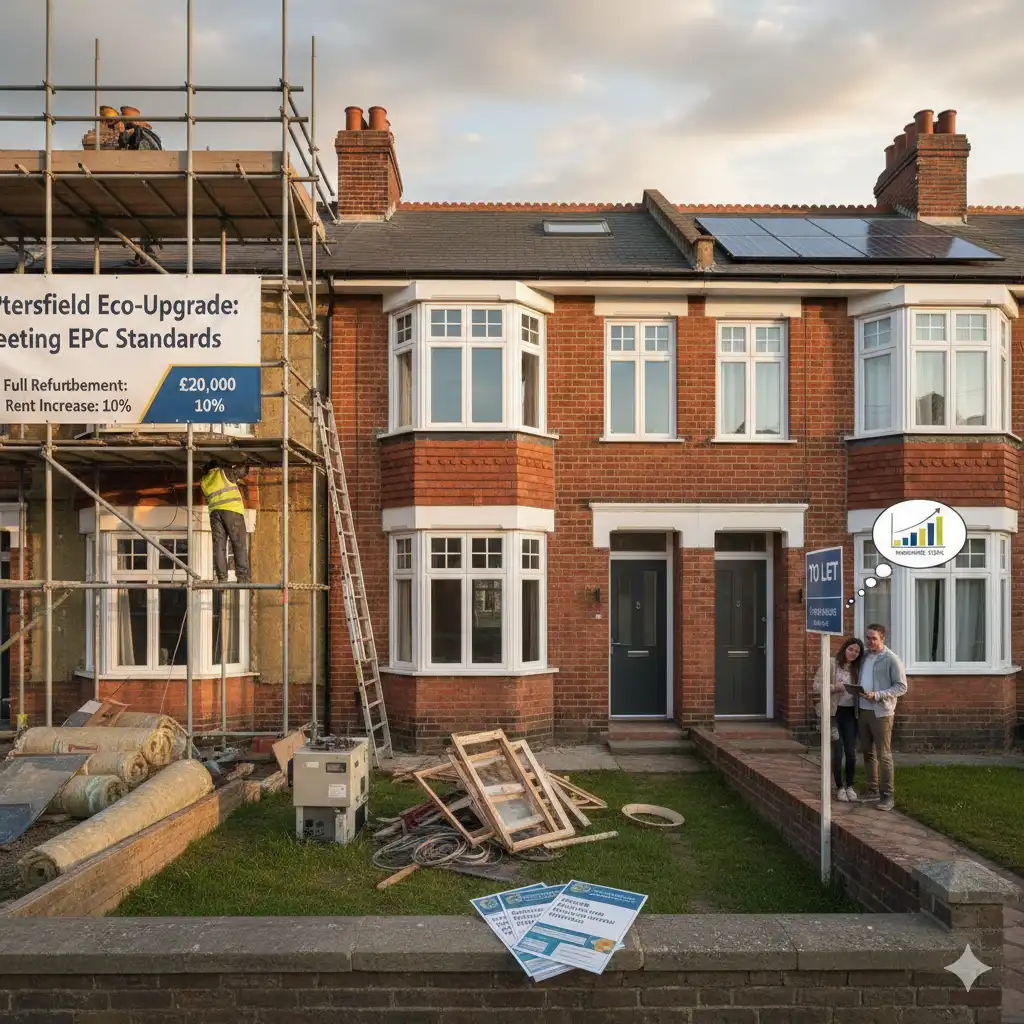
Older Petersfield stock many semis from the 1930s requires frequent updates to meet EPC standards. Landlords invest in insulation, electrics, and eco-upgrades, spurred by government mandates, recouping via rents. A full refurb can cost £20,000, justifying 10% hikes.
Rising insurance premiums, up 15% amid climate risks, compound this. Tenants see value in modernized homes but pay for it upfront.
Market Comparisons Within Cambridge
Compared to central Cambridge, Petersfield rents are 15% lower but rising faster at 7.4% annually versus the city 6.1%. Neighborhoods like Newnham stay pricier due to riverside views, while Petersfield’s value draws budget-conscious renters.
Across Cambridgeshire, South Cambs sees similar trends, but Petersfield’s transport links give it an edge, outpacing rural spots.
Tenant Impacts and Budget Strains
For renters, hikes mean tougher budgeting: a £1,600 flat now costs £1,800, eating 35% of median incomes. Families cut discretionary spending, while sharers cram in. Local surveys show 60% of tenants worried about affordability.
Shared equity schemes help first-time buyers exit rentals, tightening supply further. Low-income households face displacement risks.
Landlord Perspectives on Rent Setting
Many Petersfield landlords, often small-scale, cite survival needs over greed. With voids costly and regulations tightening like Section 24 tax changes they adjust rents modestly, under market in 75% of cases.
Investor confidence remains high, with yields at 4.5%, but caution prevails amid potential controls.
Future Projections for Petersfield Rents
Barring major policy shifts, rents could rise another 5-8% by 2027, per forecasts. New builds like Eddington may ease central pressure, but Petersfield’s constraints persist.
Inflation cooling might stabilize costs, yet demand endures.
Navigating the Rental Market
Tenants can negotiate by highlighting long-term tenancy or bundling utilities. Tools like Rightmove alerts catch deals early. Government bonds offer deposit relief.
Long-Term Solutions for Affordability
Cambridge needs bolder zoning reforms and incentives for conversions. Community land trusts in Petersfield could deliver stable rents. Partnerships with the university for purpose-built student housing would free family units.
Historical Context of Cambridge Rents
Tracing back, Cambridge rents spiked post-WWII with university booms, mirroring today’s tech wave. Petersfield’s 1970s gentrification set precedents for current dynamics.
Sustainability and Green Retrofitting
Eco-demands push costs: solar panels and heat pumps add £10,000, passed to rents. Yet, energy savings benefit tenants long-term.
Community and Lifestyle Factors
Petersfield’s vibe cafes like Espresso Lane, events at the play area enhances appeal, justifying premiums. Strong neighborhoods foster retention, limiting supply.
In summary, Petersfield’s rent rises stem from intertwined local and national forces, unlikely to reverse soon. Tenants and policymakers must adapt for balance.