Selecting between state and private schools in Cambridge requires a structured evaluation of academic standards, financial commitments, and admissions criteria.
- What Are the Key Structural Differences Between State and Private Schools in Cambridge?
- How Do Admissions Processes Compare for State and Independent Schools in Cambridgeshire?
- What Are the Financial Considerations When Choosing Between State and Private Options?
- How Do Academic Standards and Extra-Curricular Offerings Compare in Cambridge?
- What Impact Does Location and Catchment Area Have on School Selection in Cambridge?
Cambridge contains highly competitive state academies alongside prestigious independent schools, offering diverse educational pathways for primary and secondary students across Cambridgeshire.
Education in England operates through two primary frameworks funded either by taxation or private tuition. State schools in Cambridge receive state funding via Cambridgeshire County Council and central government agencies.
Private schools operate independently, relying on parental fees, charitable endowments, and investments. Families moving to Cambridge face a unique educational ecosystem where high academic attainment spans both public and private sectors.
Historical developments shaped Cambridge into a global educational centre. The establishment of independent institutions like The Leys School in 1875 established long-standing traditions of private boarding and day schooling.
The introduction of the Education Act 1944 created the modern state system, establishing free primary and secondary provision. In recent decades, the Academies Act 2010 transformed local secondary provision, converting institutions like Chesterton Community College into state-funded academies independent of council control.
The structural differences between state and independent sectors cover governance, funding, and national regulatory oversight. State schools follow the National Curriculum, administering standardized Key Stage assessments and GCSE exams under Ofsted monitoring.
Private schools design bespoke curricula, set independent term schedules, and undergo inspections by the Independent Schools Inspectorate. Independent institutions maintain lower pupil-teacher ratios, often averaging 8 to 1 compared to state averages of 18 to 1.
Processes for securing places differ based on institutional legal frameworks. State school admissions follow coordinated local authority criteria, placing primary weight on catchment areas, sibling links, and Education, Health and Care plans. Private school admissions require competitive entrance exams, such as the 11 Plus or 13 Plus examinations, alongside pupil interviews and formal reports from previous institutions.
Real-world examples illustrate the diversity of choice in Cambridge. Chesterton Community College and Parkside Community College represent top-performing state secondary options achieving exceptional GCSE attainment. In the independent sector, The Perse School and Stephen Perse Cambridge offer high-achieving co-educational environments, while St Mary’s School provides specialized single-sex education for girls.
Statistical metrics highlight the high academic standard across the region. Over 80 percent of secondary state pupils in Cambridge attend schools rated Good or Outstanding by Ofsted. Private school tuition fees in the region average between £15,000 and £45,000 annually per pupil, reflecting varying day and boarding options.
Long-term outcomes influence higher education access and career trajectories. Cambridge state sixth-form providers, including Hills Road Sixth Form College, regularly send over 60 students annually to Oxford and Cambridge universities. Independent schools yield similar university progression rates while offering global alumni networks and specialized extracurricular facilities.
What Are the Key Structural Differences Between State and Private Schools in Cambridge?
State schools are state-funded institutions governed by national regulations, whereas private schools operate independently through tuition fees and private boards. State academies follow national frameworks and strict admissions policies, while independent schools maintain full autonomy over curriculum design, admissions, and operational structures.
State schools in Cambridge operate as community schools, foundation schools, or academy trusts funded directly by the Department for Education. Governance rests with local governing bodies or multi-academy trusts that enforce statutory guidance on curriculum, special educational needs provision, and staff qualifications. Private schools, or independent schools, operate as registered charities or private companies managed by independent boards of governors.
The origin of this dual system stems from centuries of educational reform in Great Britain. Religious foundations and private benefactors established early independent schools during the medieval and Victorian eras. The local state system expanded significantly throughout the mid-twentieth century to deliver universal secondary education. The Academies Act 2010 introduced state academies, allowing publicly funded institutions operational flexibilities similar to private establishments.
Key structural components include financial models, teaching staff requirements, and regulatory bodies. State schools rely on public funding calculated through the National Funding Formula, requiring all teachers to hold Qualified Teacher Status. Private schools fund operations through tuition fees, investments, and donations, allowing them to employ subject experts without formal state teaching qualifications. Ofsted inspects state institutions, while the Independent Schools Inspectorate monitors independent providers.
Mechanisms for institutional management differ sharply across operational lines. State academies receive central budgets distributed according to student enrollment numbers and demographic factors. Private schools calculate annual fees per pupil to cover facility maintenance, staff salaries, and specialized facilities. Curriculum delivery in state schools adheres strictly to national Key Stages, whereas private institutions develop tailored programs incorporating international qualifications.
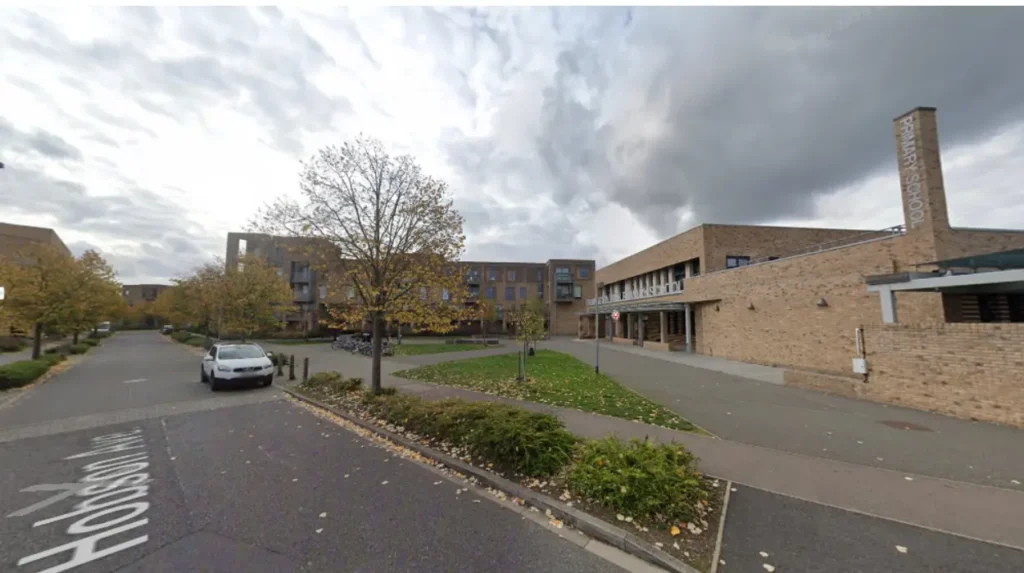
Representative state institutions include Parkside Community College and Netherhall School. Outstanding private examples include The Leys School and St Mary’s School Cambridge. Specialized primary state schools like Trumpington Park Primary School demonstrate the structural diversity available across the city.
Data reveals significant structural variations between the two sectors. State secondary classes in Cambridgeshire average 25 to 30 pupils per teacher. Private schools in Cambridge restrict average class sizes to between 10 and 15 students, delivering higher direct teacher contact time.
Institutional structures affect long-term operational resilience and parental costs. Private schools must absorb economic fluctuations and tax policy changes directly into pupil tuition fees. State schools remain free at the point of use, making them subject to central government education budgets and local housing market pressures.
How Do Admissions Processes Compare for State and Independent Schools in Cambridgeshire?
State school admissions depend primarily on catchment areas and local authority allocation rules, while independent schools select pupils via competitive entrance examinations. Cambridgeshire County Council manages state school applications through standardized deadlines, whereas private schools require independent registration, fees, entrance testing, and candidate interviews.
Admissions frameworks regulate how students enter primary, secondary, and post-16 education across the county. State admissions adhere to the statutory School Admissions Code, ensuring fair access without selection based on academic ability, except in designated grammar or faith schools. Independent school admissions function as contractual agreements between parents and individual school governing bodies.
Local authority admissions systems developed to handle population growth and urban development in Cambridge. Coordinated admission schemes were established nationally to streamline allocations and prevent multi-offering. Independent schools established standardized testing points at age 11, 13, and 16 to select candidates suited to demanding academic programs.
Essential components of the state process include Common Application Forms, catchment maps, and oversubscription criteria. Oversubscribed state criteria prioritize looked-after children, specific medical needs, siblings, and geographical proximity. Private school admissions components include registration fees, entrance examinations in English and Mathematics, reasoning tests, headteacher references, and student interviews.
The process for state admissions opens in September for entry the following academic year, with secondary deadlines in October and primary deadlines in January. Cambridgeshire County Council processes preferences using an automated algorithm based on published criteria. Private school applications require registration up to a year in advance, with entrance testing held in November or January prior to autumn entry.
Examples of state catchment allocation occur at Chesterton Community College and Trumpington Community College, where living within the catchment boundary determines admission probability. Examples of selective independent entry include the 11 Plus examinations at The Perse School and entrance interviews at The Leys School.
Statistical analyses highlight application competition across the region. High-demand state secondary schools in Cambridge experience oversubscription rates where over 1.5 first-preference applications exist for every available place. Private school acceptance rates vary, with selective independent institutions accepting between 20 percent and 30 percent of applicants.
Admissions mechanics directly impact residential housing trends and family planning strategies. Families targeting top state schools purchase homes within designated catchment zones, driving up local property values. Families choosing independent entry prepare children through selective tutoring and formal entrance assessment preparation.
What Are the Financial Considerations When Choosing Between State and Private Options?
State schools provide free education funded by public taxation, whereas private schools charge annual tuition fees ranging from £15,000 to over £45,000. Parents choosing independent education incur direct costs for tuition, uniforms, and extra-curriculars, while state school parents face minimal out-of-pocket expenses for basic schooling needs.
Financial considerations encompass all direct and indirect expenses involved in educating a child from primary through secondary completion. State education provides instruction, basic learning materials, and core facilities without direct charge to eligible residents. Independent education requires full financial self-funding by families, supplemented in specific cases by institutional bursaries or academic scholarships.
The financial framework of UK education relies on historic public policy choices regarding social welfare and private enterprise. State education funding expanded following the Education Act 1944 to ensure free universal access. The independent sector retained its tax-exempt charitable status, obligating private schools to offer public benefit through mean-tested bursaries for low-income families.
Key financial components include tuition fees, compulsory extra fees, bursaries, and capital development funds. Private school fees cover teaching staff, property upkeep, specialized sports infrastructure, and administrative overheads. Additional costs at private institutions include music tuition, school trips, specialized sports uniforms, and lunch fees.
The financial process for state schooling involves indirect contributions through national income tax and local council tax. The financial process for independent schooling requires termly payments, direct debit arrangements, and financial vetting for bursary applicants. Families applying for mean-tested bursaries submit thorough income, asset, and expense documentation to institutional finance committees.
Practical examples show clear financial contrasts. Attending a state academy like St Bede’s Inter-Church School involves zero tuition fees. Attending an independent day school like Stephen Perse Cambridge involves annual fees exceeding £18,000, while full boarding at The Leys School exceeds £40,000 annually per pupil.
Financial data illustrates the scale of educational investment. Average private day fees across Cambridgeshire stand at £16,500 per year for primary pupils and £21,000 per year for secondary pupils. Means-tested bursaries in top independent schools assist between 10 percent and 20 percent of the student body with partial or full fee reductions.
Financial choices impact household capital allocation and long-term family wealth planning. Choosing state education allows families to direct financial capital toward housing, university funds, or private extracurricular tutoring. Choosing independent education requires long-term income allocation and exposure to fee increases driven by inflation and legislative tax adjustments.
How Do Academic Standards and Extra-Curricular Offerings Compare in Cambridge?
Both sectors in Cambridge achieve exceptionally high academic results, though private schools generally provide broader extra-curricular resources and smaller class sizes. Top state academies match independent school exam results at GCSE, but private schools offer more extensive facilities, arts programs, and broad co-curricular activities.
Academic standards reflect examination performance at GCSE and A-Level, progress tracking metrics, and university progression outcomes. Extra-curricular offerings include competitive sports, performing arts, outdoor education, and academic enrichment societies. Cambridge features one of the most academically competitive educational environments in the United Kingdom.
Academic and extra-curricular frameworks evolved alongside local industrial and academic growth. The growth of the Cambridge technology cluster created high demand from families for strong science, technology, engineering, and mathematics subjects. State academies restructured curricula under national performance measures, while independent schools invested heavily in specialized facilities to retain competitive market positioning.
Key components of academic comparison include Attainment 8 scores, Progress 8 scores, A-Level pass rates, and teacher-pupil ratios. Component comparisons for extra-curriculars involve specialized sports fields, drama theaters, science laboratories, and international educational exchanges.
Academic mechanisms operate through continuous internal assessment, mock exams, and national standardized testing. State schools track student progress against national baseline expectations established at Key Stage 2. Private schools utilize standardized baseline assessments like MidYIS and YELLIS, setting academic expectations above standard national benchmarks.
Real-world academic achievements are visible across both sectors. State institutions like Chesterton Community College consistently deliver top-tier GCSE performance, with over 80 percent of students securing strong passes in English and Mathematics. Independent institutions like The Perse School regularly achieve over 85 percent of A-Level grades at $A^*$ or $A$.
Statistical metrics confirm strong regional educational performance. Cambridgeshire state secondary schools average an Attainment 8 score higher than the national English average. Independent schools in Cambridge send approximately 15 to 20 percent of their upper sixth graduates to Oxford and Cambridge universities annually.
Academic and extra-curricular standards influence student skill development, mental resilience, and higher education readiness. Students in resource-rich environments gain exposure to specialized fields like robotics, rowing, and advanced music theory, strengthening university applications and future employment prospects.
What Impact Does Location and Catchment Area Have on School Selection in Cambridge?
Catchment areas strictly govern state school admissions in Cambridge, making residential address the single most decisive factor for state school entry. Living inside a designated catchment boundary offers the strongest chance of state school allocation, whereas independent school entry depends on academic selection regardless of residential address.
Catchment areas are geographically defined zones used by local education authorities to prioritize state school place allocations. School selection location dynamics involve transport infrastructure, commute times, local housing prices, and neighbourhood boundary changes. Cambridge features complex catchment configurations due to rapid housing developments across urban and suburban zones.
The implementation of catchment boundaries developed as a planning mechanism to manage urban population expansion and balance school capacities. As new developments emerged in areas like Eddington and Trumpington, Cambridgeshire County Council adjusted catchment maps to ensure every resident had a designated state provider. Independent institutions remained unaffected by geographic boundaries, drawing students locally and internationally.
Key components of geographic selection include catchment maps, feeder primary school networks, home-to-school distance calculations, and transport links. Distance calculations measure the shortest available walking route from a residential front door to a school gate.
The catchment allocation process runs during the annual local authority admissions cycle. When a state school is oversubscribed, places are allocated sequentially to pupils living within the defined catchment, followed by pupils outside the catchment based on physical distance. Independent school admissions bypass geographic calculations, evaluating candidates entirely on entrance exam performance and personal interviews.
Examples of geographic impact include the catchment zone for Parkside Community College in central Cambridge, where high demand restricts out-of-catchment entries. Another example is Trumpington Community College, built specifically to serve expanding residential communities in southern Cambridge.
Data demonstrates a direct link between school catchments and property values in Cambridge. Homes located within catchment areas of Outstanding state secondary schools command property price premiums between 10 percent and 20 percent compared to adjacent out-of-catchment streets.
Geographic positioning shapes daily commuting routines, community integration, and long-term housing equity. Families choosing state schools often incur higher housing costs to secure preferred catchments, whereas families choosing independent schools allocate funds directly toward tuition fees while retaining flexibility over where they reside.
Which state secondary schools in Cambridge have the best Ofsted ratings?
Chesterton Community College, Parkside Community College, and St Bede’s Inter-Church School maintain Outstanding ratings from Ofsted. These state academies deliver high GCSE results and strong academic progress scores.
How much do private school fees cost on average in Cambridge?
Private day school fees in Cambridge range from £15,000 to £22,000 per year for day pupils. Full boarding options at established independent institutions can exceed £40,000 annually per student.
Can you get into a Cambridge independent school without paying full fees?
Yes, most independent schools offer means-tested bursaries and academic or music scholarships. Bursaries can cover up to 100 percent of tuition costs depending on household income and demonstrated academic potential.
How do I check if my house is in a specific school catchment area?