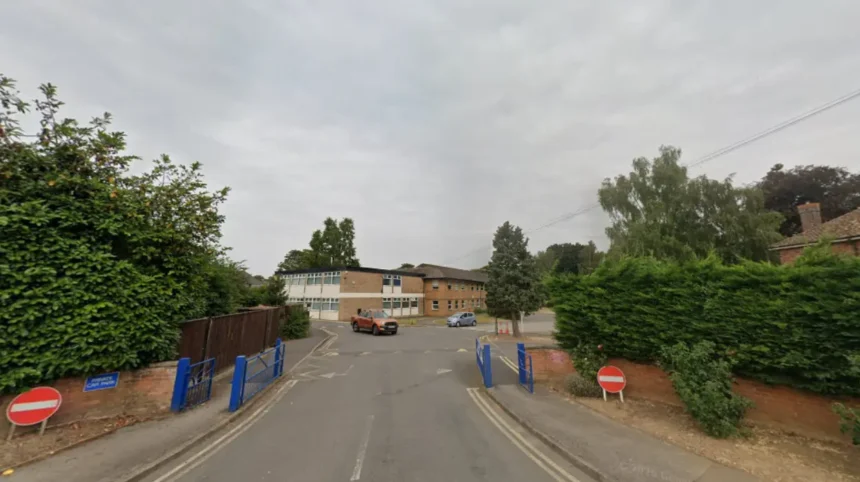
Choosing between independent schools and grammar-access options in and around Cambridge requires evaluating tuition costs, academic selection, and geography.
- How Do Academic Standards Compare Between Cambridge Independent Schools and Regional Grammar Options?
- Where Are the Nearest Grammar Schools Accessible from Cambridge?
- What Are the Key Financial Considerations for Families Evaluating Education in Cambridge?
- How Does the Admissions Process Work for Cambridge Independent Schools Versus Grammar Options?
- What are the main independent schools located inside Cambridge city?
- Are there any state grammar schools situated directly in Cambridgeshire?
- Can Cambridge residents apply for grammar schools in other counties?
- What score is required to pass the 11-plus exam for regional grammar schools?
- Do Cambridge independent schools offer financial aid or bursaries?
Cambridgeshire operates a comprehensive state education system without native grammar schools. Parents seeking selective state education must look to neighbouring counties like Lincolnshire, Essex, or Hertfordshire. Meanwhile, Cambridge hosts high-performing independent fee-paying institutions.
Independent schools are fee-paying private institutions governed by independent boards, whereas grammar schools are state-funded secondary schools that select pupils based on academic ability tested through 11-plus examinations. Cambridge city lacks local state grammar schools.
Independent institutions in the region charge tuition fees ranging from 18,000 to 35,000 pounds annually for day pupils. These schools set their own admissions criteria, curriculum structures, and internal examinations. They do not rely on public taxation or local authority budgets for operational expenses.
Grammar access options provide free secondary education funded directly by the United Kingdom government. Admission requires students to pass competitive 11-plus tests evaluating verbal reasoning, non-verbal reasoning, mathematics, and English language skills. Because Cambridgeshire contains zero state grammar schools, families seeking selective state education must access grammar schools located in neighboring administrative counties.
How Do Academic Standards Compare Between Cambridge Independent Schools and Regional Grammar Options?
Both Cambridge independent schools and regional grammar access options deliver high academic attainment, regularly achieving top GCSE and A-level results nationwide.
Independent schools offer smaller class sizes, whereas grammar schools deliver high performance through academically peer-grouped classrooms.
Independent institutions in Cambridge, such as The Perse School and The Stephen Perse Foundation, regularly report upper-tier examination outcomes. Over 80 percent of GCSE entries in these institutions earn grades 9 through 7. Small class sizes, often averaging 10 to 15 pupils per teacher, facilitate individualized instruction and focused subject specialization.
Regional grammar options, such as Spalding Grammar School in Lincolnshire or Westcliff High School in Essex, perform comparably high on national league tables. These state institutions group academically proficient students together, achieving strong A-level performance. However, class sizes in state grammar schools mirror general state secondary standards, averaging 25 to 30 pupils per classroom.
Where Are the Nearest Grammar Schools Accessible from Cambridge?
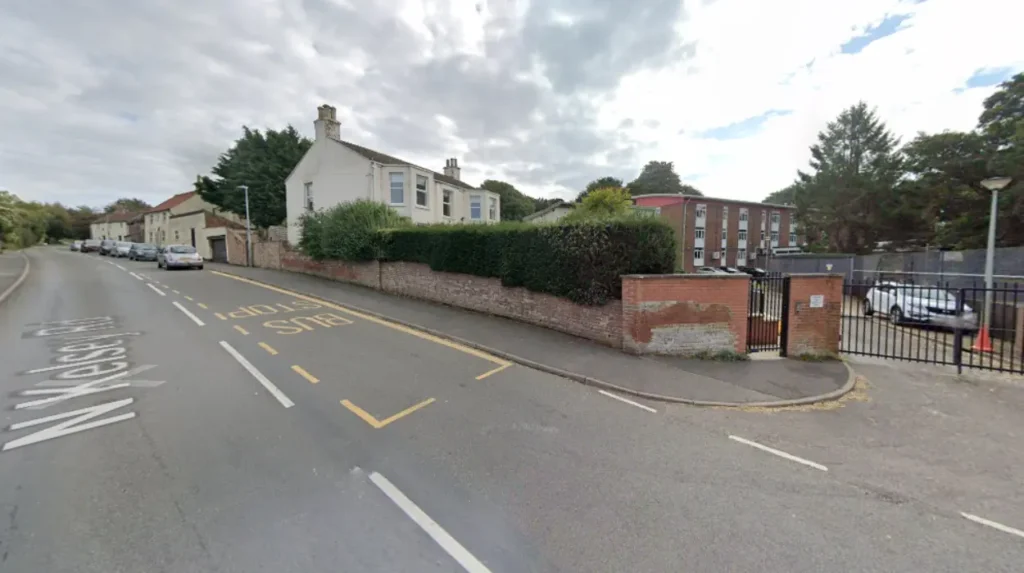
The nearest state grammar schools to Cambridge are located in Lincolnshire, Essex, and Hertfordshire, requiring significant daily travel or residential relocation. Cambridgeshire county boundaries do not contain active state grammar schools.
To the north, Lincolnshire operates fully selective grammar school districts. Institutions like Spalding Grammar School and Bourne Grammar School sit approximately 45 to 55 miles north of Cambridge city centre. Travel times via road or rail typically exceed 60 minutes each direction.
To the south and east, Essex and Hertfordshire contain selective state options. King Edward VI Grammar School in Chelmsford and the Colchester Royal Grammar School lie 40 to 50 miles away. Additionally, Saffron Walden County High School in Essex operates as a comprehensive state school with a small, highly competitive selective intake stream for specific subjects.
What Are the Key Financial Considerations for Families Evaluating Education in Cambridge?
Independent education requires substantial long-term financial commitment, whereas state grammar options require no tuition but incur secondary commuting or boarding costs. Families must assess total financial output over seven secondary school years.
Annual tuition for Cambridge independent day schools ranges between 18,000 and 35,000 pounds per student. Over a seven-year secondary period from Year 7 through Sixth Form, baseline tuition per child ranges from 126,000 to 245,000 pounds, excluding uniforms, trips, and exam fees. Fee levels increase annually due to inflation and institutional infrastructure investments.
State grammar schools do not charge tuition fees. Families accessing out-of-county grammar options face travel expenses, such as annual train passes or specialized bus service fees, costing between 1,200 and 2,500 pounds per child annually. Some grammar schools offer state boarding options where tuition remains free, but families pay annual boarding charges of 12,000 to 16,000 pounds.
How Does the Admissions Process Work for Cambridge Independent Schools Versus Grammar Options?
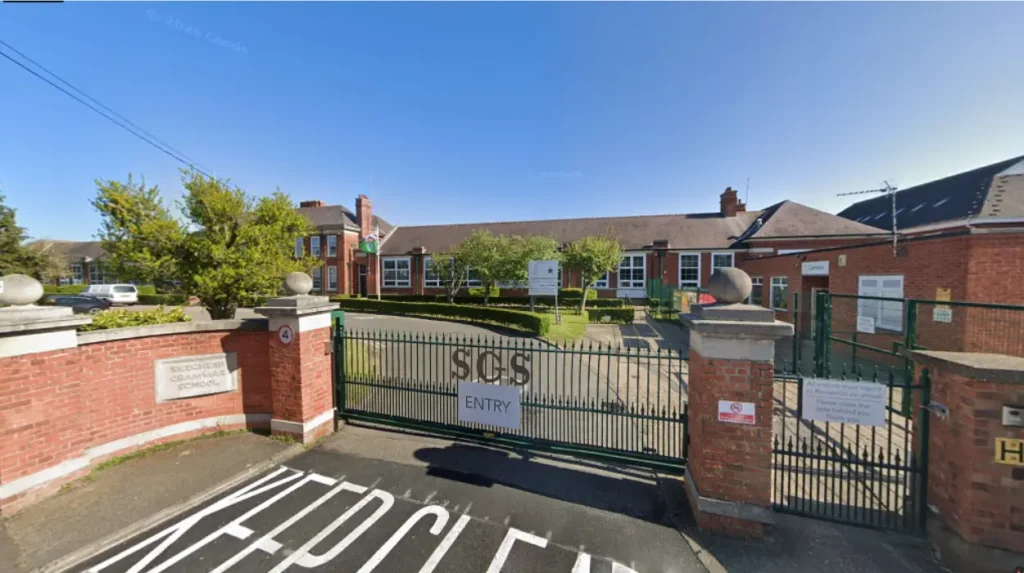
Independent schools run bespoke assessments and interviews in Year 6, while grammar schools require registration for regional 11-plus standardized exams. Admissions timelines demand planning up to 18 months prior to Year 7 entry.
Cambridge independent schools manage individual admissions pathways. Parents register pupils directly with each target institution during Autumn term of Year 6. Entrance examinations take place in January of Year 6, testing English, mathematics, and cognitive ability, followed by candidate interviews. Offers are issued in February.
Grammar access options rely on centralized 11-plus examinations managed by local authority consortiums. Parents must register children for testing between May and July while the pupil is in Year 5. Tests occur in September of Year 6. Parents then list grammar choices on the Common Application Form submitted to their local authority by October 31. Offers are released on National Offer Day in March.
What are the main independent schools located inside Cambridge city?
The primary independent schools in Cambridge city include The Perse School, The Stephen Perse Foundation, The Leys School, St Mary’s School, and Sancton Wood School. These institutions offer day and boarding options spanning primary through Sixth Form levels.
Are there any state grammar schools situated directly in Cambridgeshire?
No, there are no state grammar schools located within the county boundaries of Cambridgeshire. The local authority operates a comprehensive state secondary education model across the entire region.
Can Cambridge residents apply for grammar schools in other counties?
Yes, Cambridge residents can apply for state grammar schools located in other local authorities, such as Lincolnshire or Essex. Admissions depend on passing the 11-plus exam and meeting the specific distance or catchment criteria set by each school.
What score is required to pass the 11-plus exam for regional grammar schools?
Required pass marks for the 11-plus exam vary each year depending on candidate cohort performance and school capacity. Standardized scores above 111 or 121 are typically required to qualify for selective place allocations.
Do Cambridge independent schools offer financial aid or bursaries?
Yes, most independent schools in Cambridge offer means-tested bursaries and academic scholarships. Bursaries can cover between 10 percent and 100 percent of tuition costs based on verified household income assessments.