
A picturesque village celebrated for its meadows, literary heritage and television fame is grappling with a growing summer problem of parked cars, crowded paths and traffic bottlenecks, as Grantchester and the approaches from Cambridge strain under the weight of visitor demand.
- How limited is parking in Grantchester village?
- How are resident parking schemes and restrictions affecting the area?
- What role do Grantchester Meadows and the River Cam play in summer pressure?
- What have residents and community groups said about traffic and crowding?
- How does the Greenway plan and village popularity feed into the problem?
- What are the environmental and safety concerns linked to crowds and cars?
- How are authorities trying to manage parking and congestion?
- What are residents and visitors likely to face in future summers?
How limited is parking in Grantchester village?
Grantchester’s own website, managed on behalf of the Parish Council, sets out the basic constraint: there is “only a limited amount of car parking in Grantchester” and “the roads are very narrow, so the village can get very congested in the summer.” As reported by contributors to Grantchester.org.uk for the Parish Council, that congestion is most acute on sunny days when large numbers of people drive in to visit pubs, tea rooms, the meadows and riverside paths.
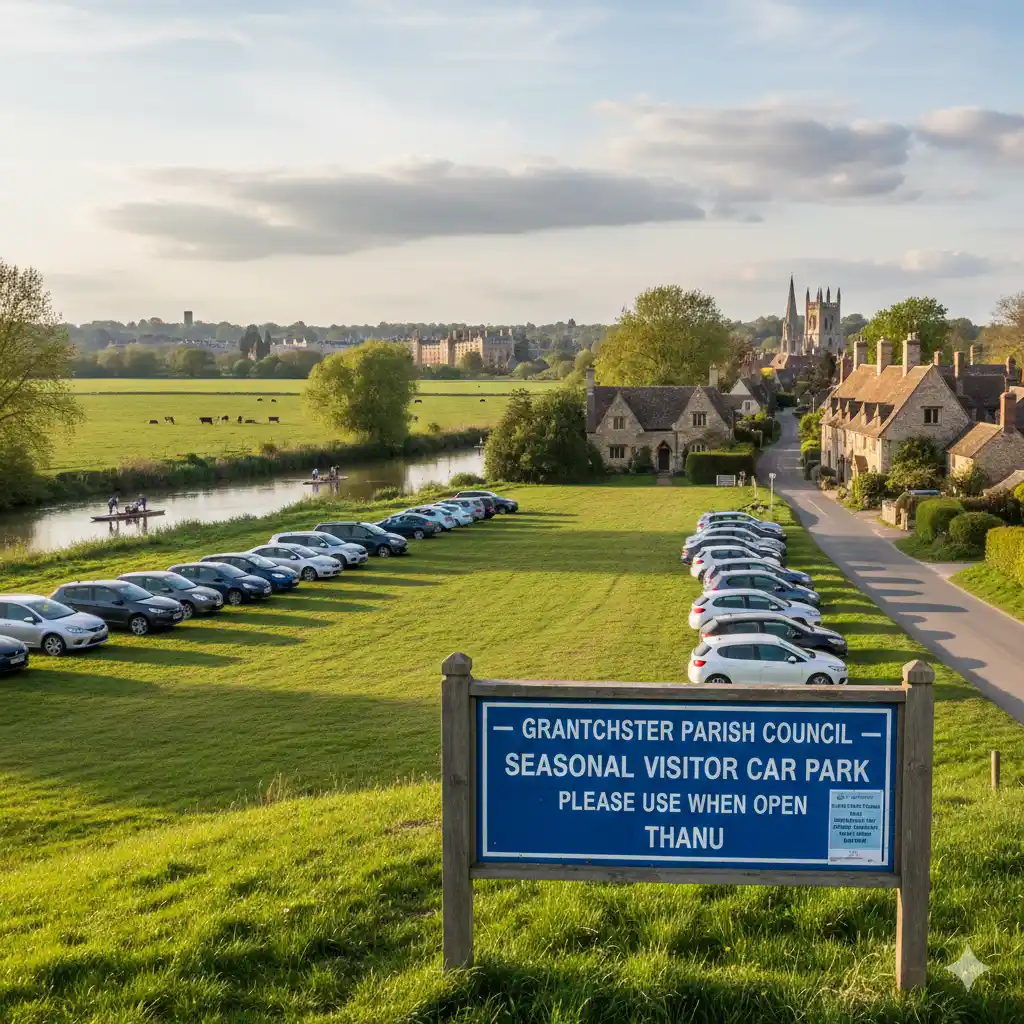
To relieve pressure on the tight village streets, the Parish Council operates a seasonal car park in a field close to the mill pond, just inside the village boundary when entering from Trumpington, which is signposted on local maps and promoted as the preferred option for visitors. The same local guidance explains that the field is only opened on “sunny days” between Easter and the end of September, normally at weekends and on bank holiday Mondays, because the grass surface must be dry and because demand spikes when the weather is fine. A suggested donation of £5 per car is requested, with proceeds after costs going back into projects “for the good of the village”, underlining that the car park is a community‑run response to seasonal pressure rather than a commercial venture.
How are resident parking schemes and restrictions affecting the area?
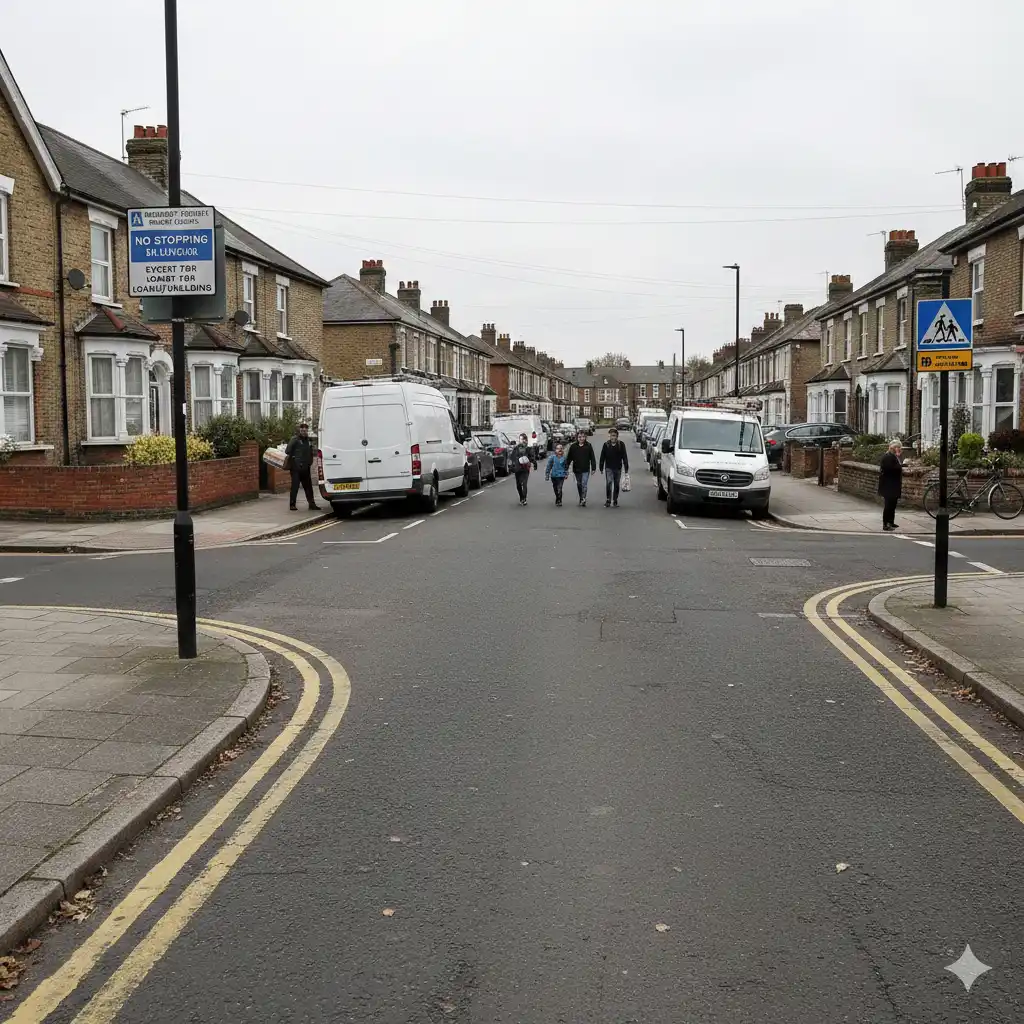
Grantchester sits just beyond the dense resident parking zones that cover large parts of Cambridge, but several of those schemes now include streets that form part of the traffic and parking corridor between the city and the village. Cambridgeshire County Council’s published maps show that the Accordia Resident Parking Scheme, for example, covers properties on Grantchester Meadows, Grantchester Road and Grantchester Street within the city, restricting on‑street parking through permits and time controls. As set out by county parking officers, these schemes typically limit the number of resident permits per household and are designed to prevent all‑day parking by commuters or visitors vying for spaces near popular destinations.
Separate guidance from the County Council on parking management stresses that double yellow lines, single yellow lines and other marked restrictions are a primary tool to keep junctions, narrow roads and routes used by children clear of parked vehicles. As described by transport officers, double yellow lines are “normally very effective at preventing vehicles parking where they are painted,” although short‑term loading and drop‑offs are still permitted. In consultation responses gathered on wider Cambridge parking issues, residents have reported visitors, delivery drivers and works vehicles blocking driveways once resident bays are full, indicating that official controls have not eliminated tension over space.
What role do Grantchester Meadows and the River Cam play in summer pressure?
The river corridor between Cambridge and Grantchester has become a major draw for wild swimmers, walkers, punters and picnickers, and that popularity underpins many of the parking and congestion complaints. In a detailed response to proposals to designate a stretch of the River Cam as official “bathing water”, the Cam Valley Forum recorded that “the huge number of people enjoying Grantchester Meadows this summer” and heavy use of the Newnham Riverbank Club showed how strong demand for river access had become.
In a separate briefing, Cam Valley Forum volunteers highlighted that the small Driftway car park serving Sheep’s Green, Lammas Land and onward access towards Grantchester was “usually completely full already in the summer,” with people “parking (illegally) along the lane” that is shared with pedestrians and cyclists. As presented in that document to Cambridge City Council, the group warned that further promotion of riverside bathing could attract “far larger crowds than at any time in the past” to an “environmentally sensitive water meadow,” increasing noise, disturbance and pressure on the access roads feeding the meadows. Members also raised safety concerns about congestion on the river itself, where canoes, punting craft and swimmers compete for space on the busy route towards Grantchester Meadows, especially at peak times.
What have residents and community groups said about traffic and crowding?
Local testimonies collected by community organisations depict a pattern of mounting strain on streets and open spaces linked to riverside use and special events. The Friends of Paradise Nature Reserve, writing about construction traffic plans that affect nearby Newnham Croft, warned that proposals for extensive HGV and works‑vehicle movements, combined with temporary bans on parking on the Owlstone Track, Short Lane and potentially Grantchester Street, risked creating “gridlock in Newnham Croft and the wider area” when layered on existing flows of visitor traffic.
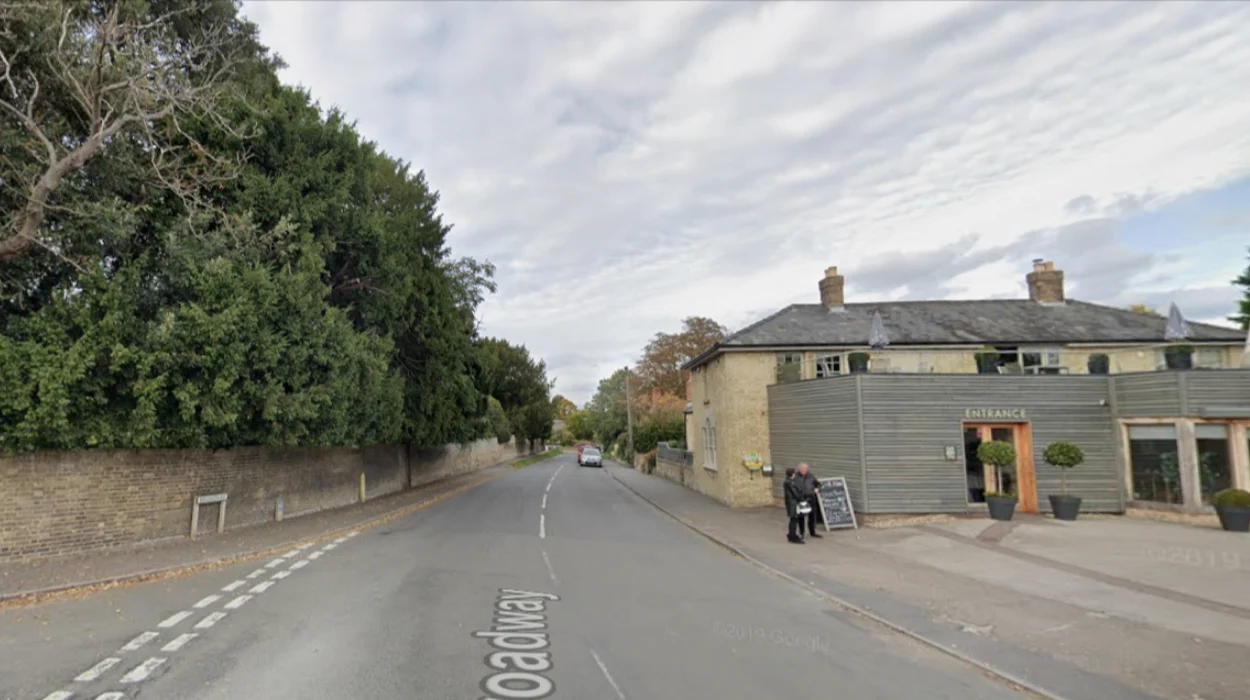
In papers submitted to Cambridge City Council’s Licensing Sub‑Committee, a ward councillor described “chaos and acute traffic congestion on Grantchester Road” around 11pm on 7 July, during an event period at Cambridge Rugby Football Club on Grantchester Road, including drivers refusing to follow the club’s one‑way drop‑off system and instead performing three‑point turns in the middle of the road. As recorded in that representation, residents also complained of loud, drunken behaviour and people urinating in front gardens during the same late‑night dispersal phase. Although this particular account relates to specific club events, it reflects broader anxieties that relatively small roads linking Cambridge and Grantchester are being pushed to capacity by a mixture of organised activities and informal summer gatherings.
How does the Greenway plan and village popularity feed into the problem?
The Greater Cambridge Partnership’s Haslingfield Greenway project, which would create an off‑road cycling and walking route between Haslingfield and Cambridge and pass through Grantchester, is another source of contention in the debate about how many people the village can absorb. In coverage by BBC Cambridgeshire, reporter interviews and official papers recorded that 73% of Grantchester respondents to a consultation opposed the route going through the village, even though a majority of respondents overall supported the scheme.
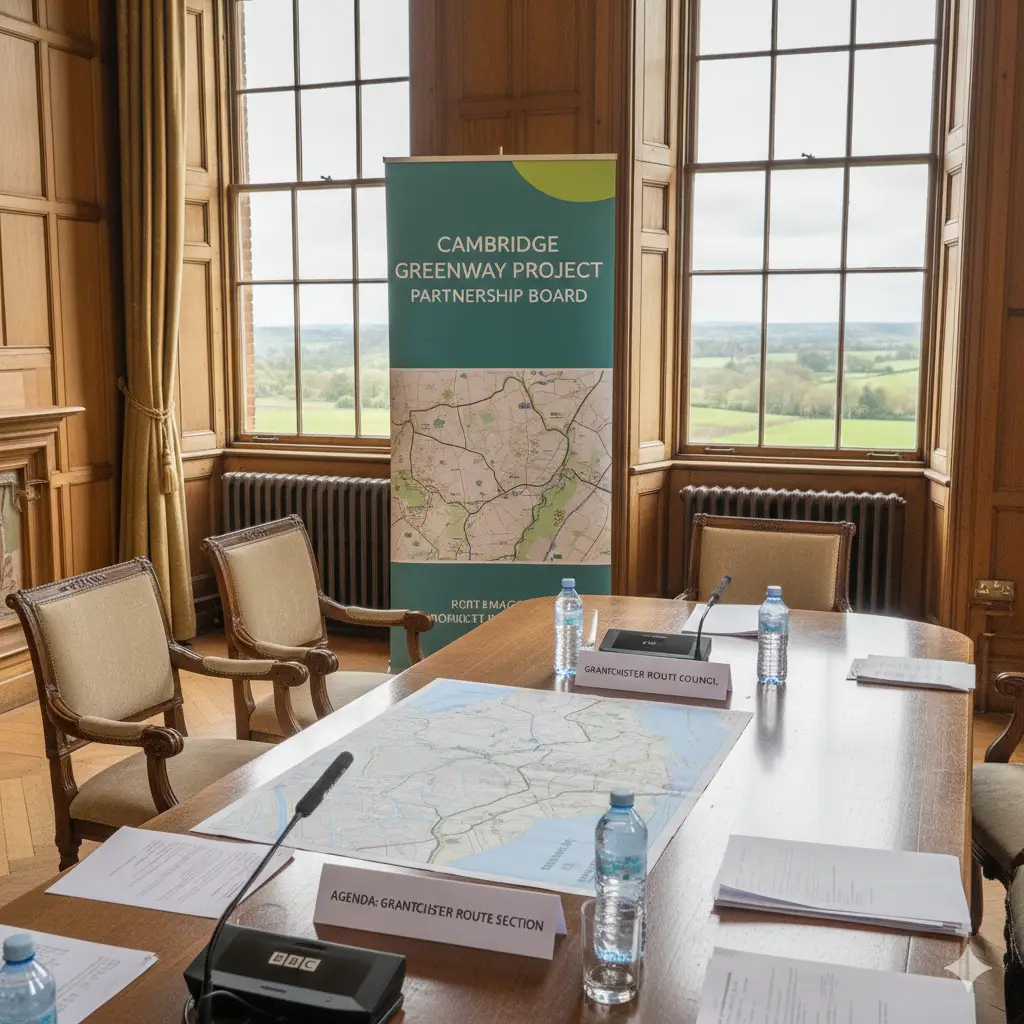
At a Partnership board meeting, Grantchester Parish Council chair Lesley Sherratt urged members not to proceed with the route section through the village, warning that it would have a “detrimental aesthetic impact” on a place already heavily visited because of its landscape and television fame. According to the same report by BBC journalist staff, Cambridge City Council leader Mike Davey suggested Grantchester risked being the “victim of its own beauty,” arguing that people would continue to walk and cycle through the village whether the formal Greenway went ahead or not, and that the project aimed to make those journeys as safe as possible for all road users.
Separately, national travel coverage has amplified Grantchester’s profile as a destination. In a feature for the Daily Express travel pages, a reporter described Grantchester as one of the “prettiest” villages in England, highlighting traditions such as Boxing Day barrel‑rolling and its proximity to Cambridge, alongside recommendations to visit the famous Orchard Tea Garden. Such publicity helps sustain high levels of tourism but also deepens the tension between the village’s idyllic image and practical worries about where visitors park and how they behave in peak season.
What are the environmental and safety concerns linked to crowds and cars?
Environmental groups and local residents have repeatedly linked the mix of crowds, cars and river recreation to risks for wildlife, landscape and public safety along the Cambridge–Grantchester corridor. In its submission on the bathing‑water proposal, the Cam Valley Forum warned that Sheep’s Green and nearby meadows form a “finely balanced ecosystem” where cattle grazing, wildflowers and flood management functions could all be compromised if rising visitor numbers prompted authorities to remove cows or harden river banks.
The same document pointed to worries about litter, noise and anti‑social behaviour along the riverbanks near Paradise Nature Reserve and other sensitive sites, suggesting that large groups of bathers, picnickers and sunbathers could overwhelm the area’s capacity. Separately, forum members highlighted that swimmers, especially children, can be hard to see in the water and may be at risk of collision with canoes, kayaks, paddleboards and punts on the busy upper Cam stretch between Cambridge and Grantchester. At policy level, campaigners called on Cambridge City and South Cambridgeshire district councils, as well as the Environment Agency, to be “much more ambitious” in protecting green spaces along the Cam and in improving water quality from Grantchester downstream to Waterbeach.
How are authorities trying to manage parking and congestion?
Transport and parking authorities argue that a mix of physical restrictions, permit schemes and alternative modes is necessary to keep streets safe as demand rises. Cambridgeshire County Council’s parking management guidance emphasises that double yellow lines and similar restrictions are often essential around junctions and in residential areas where parked vehicles can obscure sight lines, especially for children, even though reducing parking can also lower vehicle speeds.
Resident parking schemes across Cambridge, including the zones that touch Grantchester‑bound routes, typically cap the number of permits per household and exclude visitor or business permits in some areas, to prevent overspill from popular destinations and commuter parking near the city centre. At the village end, the Grantchester Parish Council’s seasonal car park is presented as a way to channel visitor vehicles into a single field rather than onto narrow streets, with clear encouragement on the village website for all visitors to use it when open. Campaigners such as the Cam Valley Forum have meanwhile urged that any new designation or tourism initiative for the river include explicit traffic and parking impact assessments, to avoid further unmanaged spillover into already stretched neighbourhoods.
What are residents and visitors likely to face in future summers?
With Cambridge continuing to grow, and Grantchester’s reputation as a scenic escape still widely promoted, local groups expect that summer parking and crowding pressures will persist unless stronger management is agreed. Evidence submitted from community forums shows that, even before any new formal bathing site or Greenway route is completed, riverside car parks and access lanes are at capacity on warm days, leading drivers to seek space on nearby residential streets or verges.
At the same time, official planning and licensing reports already use language such as “chaos” and “acute traffic congestion” to describe specific peaks on Grantchester Road, while residents flag disruptive late‑night behaviour after events. For villagers, city residents and visitors alike, the challenge will be balancing Grantchester’s appeal as a green retreat with the practical limits of its roads and riverbanks, a balance that is likely to remain at the centre of local debates over parking, crowds and summer life in the years ahead.