
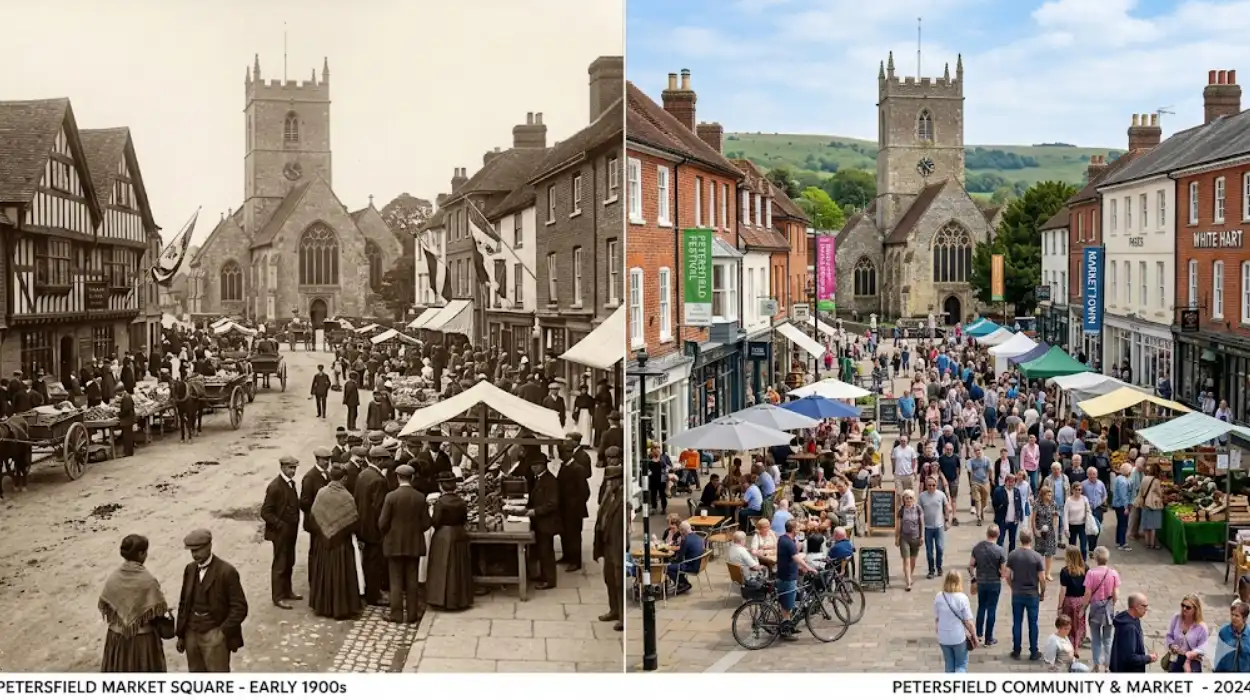
Petersfield in Cambridge has long been a heartbeat of the city, a place where the rhythm of daily life pulses through its streets. Once a tight-knit working-class enclave, it now embodies a blend of tradition and renewal that draws people in.
- Historical Roots of Petersfield
- Early 20th Century Vibrancy
- Post-War Transformations Begin
- The Impact of Slum Clearances
- Rise of Educational Institutions
- Demographic Shifts Over Decades
- Economic Pressures and Adaptations
- The Role of Social Clubs
- Modern Community Initiatives
- Cultural and Architectural Heritage
- Gentrification’s Double Edge
- The Influence of the University
- Green Spaces and Daily Life
- Technology’s Role in Connection
- Future Outlook for Petersfield
- Preserving the Enduring Spirit
- Lessons from Petersfield’s Journey
Historical Roots of Petersfield
Petersfield emerged as a distinct area within Cambridge during the 19th century, shaped by the industrial pulse of Victorian England. Workers from nearby factories and mills settled here, creating a community bound by shared labor and resilience. The neighborhood’s terraced houses and narrow streets reflect that era, built to house families who toiled in the city’s brewing, printing, and manufacturing trades.
This period saw Petersfield flourish as a self-contained world. Local pubs served as gathering spots after long shifts, while corner shops catered to everyday needs. The sense of camaraderie was palpable, forged in the fires of economic necessity and mutual support. Residents knew their neighbors by name, and community events revolved around church halls and street gatherings.
Early 20th Century Vibrancy
By the early 1900s, Petersfield’s population swelled alongside Cambridge’s growth from around 40,000 to 70,000 residents by the 1930s. Factories like Pye’s electronics works provided steady employment, infusing the area with purpose and pride. Families passed down stories of hard-won stability, with children playing in the streets under the watchful eyes of the community.
Social clubs became cornerstones of life here. The Beaconsfield Club, for instance, started as a Conservative hub in the late 19th century, hosting balls and debates that drew hundreds. It symbolized Petersfield’s political engagement, mirroring national shifts like the Third Reform Act’s expansion of voting rights. Such institutions knit the fabric tighter, turning political fervor into lasting bonds.
Post-War Transformations Begin
World War II left its mark, but reconstruction brought cautious optimism. In the 1950s and 1960s, council housing expanded around areas like Grange Road, accommodating a booming population. Yet, this era also sowed seeds of change. Factory closures, such as those at Pye, the brick works, and gas works, rippled through Petersfield, displacing jobs and testing communal ties.
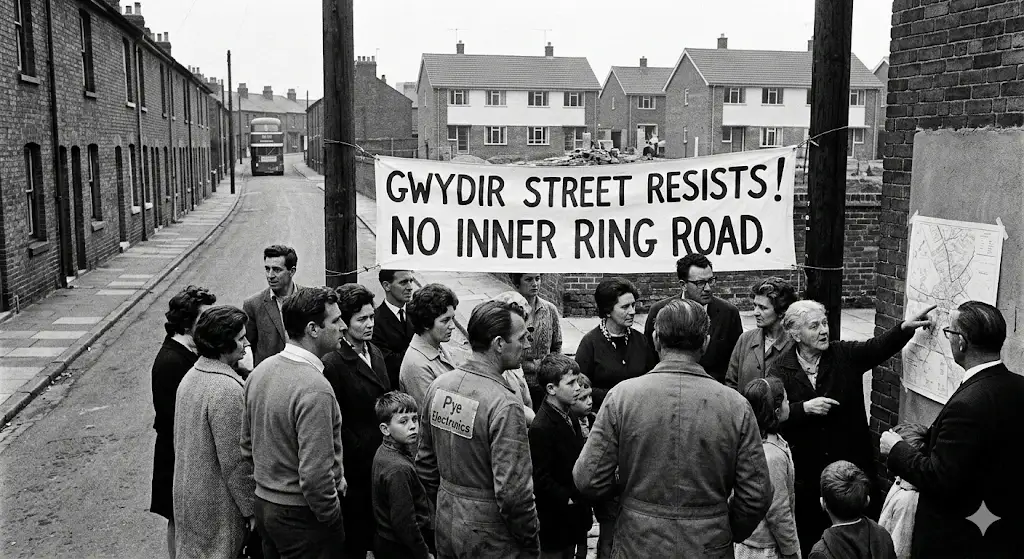
Planning blight loomed large. Proposals for inner ring roads threatened to carve through neighborhoods like Gwydir Street, evoking fears of disruption akin to colonial map redraws. Residents resisted fiercely, preserving much of the area’s character. These battles fostered a defiant community spirit, even as economic uncertainty lingered.
The Impact of Slum Clearances
The 1960s St Matthew’s Estate clearances reshaped Petersfield profoundly. Hundreds of families were relocated, thinning the dense network of local connections. Walking-distance neighbors vanished, replaced by gaps in the social weave. This upheaval mirrored broader urban renewal trends but left Petersfield grappling with loss.
New estates rose in their place, introducing modern amenities but diluting the old intimacy. Former residents spoke of a “hollowing out,” where familiar faces gave way to strangers. Still, core streets retained their essence, with survivors adapting through informal networks and enduring institutions.
Rise of Educational Institutions
A pivotal shift came with the expansion of the Cambridge College of Arts and Technology, now Anglia Ruskin University. Encroaching on Petersfield’s edges, it drew students and academics, transforming the demographic from predominantly working-class to a mix infused with intellectual energy. Lecture halls and libraries buzzed where factories once hummed.
This influx brought fresh perspectives. Young renters animated pubs and cafes, sparking cultural exchanges. Yet, it also sparked tensions rising rents nudged long-time families outward, altering the neighborhood’s socioeconomic tone. The community feel evolved from blue-collar solidarity to a more eclectic, transient vibe.
Demographic Shifts Over Decades
Cambridge’s overall growth amplified Petersfield’s changes. From a city of modest size, it ballooned into a hub for tech and academia, pulling in global talent. Petersfield mirrored this: census data shows a diversifying population, with more professionals alongside legacy residents. Families now balance young parents, retirees, and international students.
Migration patterns reflect broader UK trends. Post-1980s, Eastern European and South Asian communities added layers, enriching festivals and cuisines. This multiculturalism softened the once-homogeneous feel, fostering inclusivity but challenging traditions. Today’s Petersfield thrives on this mosaic, where shared spaces bridge divides.
Economic Pressures and Adaptations
Factory closures in the 1970s hit hard, but regeneration followed. Tech firms and startups filled voids, turning sheds into innovation hubs. Local shops pivoted greengrocers became artisan delis, reflecting gentrification’s subtle creep. Property values climbed, drawing investors while pricing out some originals.
Residents adapted creatively. Community gardens sprouted on vacant lots, reclaiming space for connection. Co-working cafes emerged, blending work and social life. These evolutions maintained Petersfield’s warmth amid economic flux, proving resilience as its defining trait.
The Role of Social Clubs
Social clubs like the Beaconsfield Club epitomized the old community feel. Peaking in the interwar years with packed New Year’s Eve events, it hosted dances and debates. By the 1980s, fights and lost licenses led to its demolition, replaced by flats a stark symbol of decline.
Their fade marked a shift from structured gatherings to organic ones. Pub quizzes and book clubs filled the gap, often digitally organized. While less formal, these sustain bonds, adapting to modern schedules and preferences.
Modern Community Initiatives
Today’s Petersfield pulses with grassroots energy. Groups like Gwydir Street Friends organize street parties and clean-ups, echoing past solidarity. Online forums on platforms like Nextdoor amplify voices, coordinating everything from lost pets to protest planning.
Volunteer networks tackle isolation, especially post-pandemic. Food co-ops and skill-shares build ties across generations. These efforts recapture the intimate feel, proving community evolves rather than erodes.
Cultural and Architectural Heritage
Petersfield’s architecture tells its story red-brick terraces stand resilient beside newer builds. Efforts to preserve this, akin to the Petersfield Society’s work elsewhere, inspire locals. Heritage walks highlight plaques on historic homes, educating newcomers.
Street art and murals now adorn walls, blending old grit with contemporary flair. Festivals celebrate this heritage, from history reenactments to music nights, keeping cultural memory alive and inviting.
Gentrification’s Double Edge
Gentrification arrived subtly. Boutique shops and craft breweries signal upward mobility, boosting vibrancy. Yet, it strains affordability average house prices have soared, mirroring Cambridge’s overheated market.
Long-timers cherish the upgrades but mourn lost affordability. Newcomers inject energy, hosting pop-ups and markets. Balancing this act defines Petersfield’s current feel: aspirational yet rooted.
The Influence of the University
Anglia Ruskin University’s shadow looms large, its students animating nightlife. Dorms and cafes cater to this crowd, extending the academic buzz from central Cambridge. Lectures spill into community centers, sparking free talks on everything from history to sustainability.
This symbiosis enriches discourse but pressures housing. Rent controls and shared spaces mitigate tensions, fostering mutual respect. Petersfield benefits from knowledge exchange, elevating its intellectual community feel.
Green Spaces and Daily Life
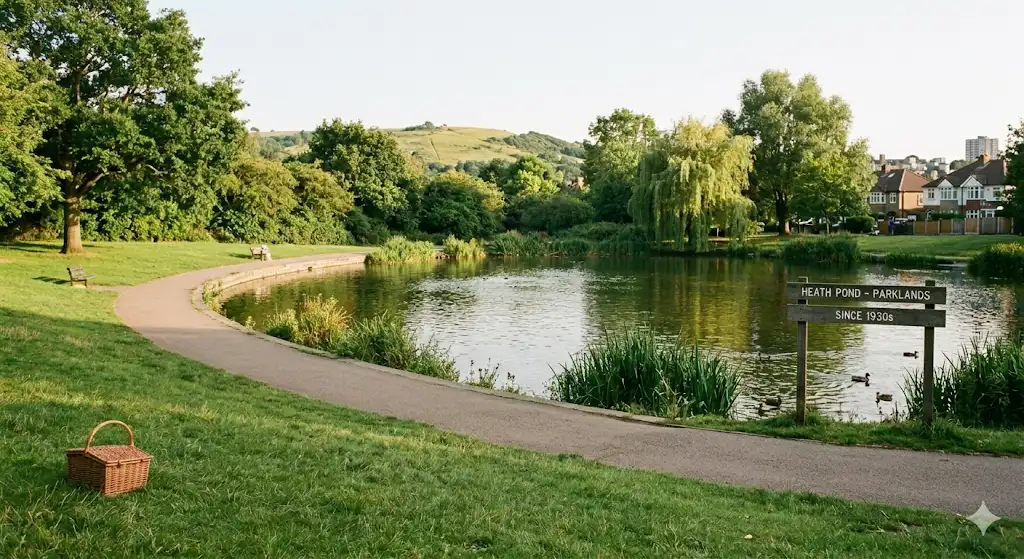
Parks and commons remain anchors. Heath Pond, dredged in the 1930s, hosts picnics and dog-walks. High Meadow, donated in 1945, offers respite amid urban density. These oases nurture casual encounters, sustaining the neighborly vibe.
Recent greening initiatives add pocket parks, countering development. Walks along the River Cam edges invite reflection, blending nature with neighborhood lore.
Technology’s Role in Connection
Digital tools reshape interactions. WhatsApp groups coordinate babysitting swaps; apps like Strava map communal runs. Virtual events bridged pandemic gaps, now hybrid for inclusivity.
Yet, screens sometimes supplant face-time. Initiatives like “unplugged Sundays” counter this, urging parks over pixels. Tech enhances, rather than replaces, Petersfield’s warmth.
Future Outlook for Petersfield
Looking ahead, Cambridge’s expansion plans promise growth. Petersfield stands at the crossroads—potential new housing could strain resources or spark renewal. Community input shapes this, with consultations emphasizing green, walkable designs.
Optimism prevails. Residents envision a future honoring history while embracing diversity. Sustainability drives plans: bike lanes, solar co-ops, and youth hubs.
Preserving the Enduring Spirit
Through closures, clearances, and booms, Petersfield’s core endures: people helping people. Oral histories capture this from wartime rations shared door-to-door to today’s mutual aid.
This spirit transcends change, adapting to new faces and needs. It’s why Petersfield feels alive, a testament to human connection’s tenacity.
Lessons from Petersfield’s Journey
Petersfield teaches that community feel isn’t static it’s nurtured. Resistance to destructive plans preserved its soul; openness to change enriched it. For other neighborhoods, the blueprint is clear: listen, adapt, connect.
In Cambridge’s shadow, Petersfield shines as a microcosm of evolution. Its story inspires, reminding us that while facades shift, heart endures.