
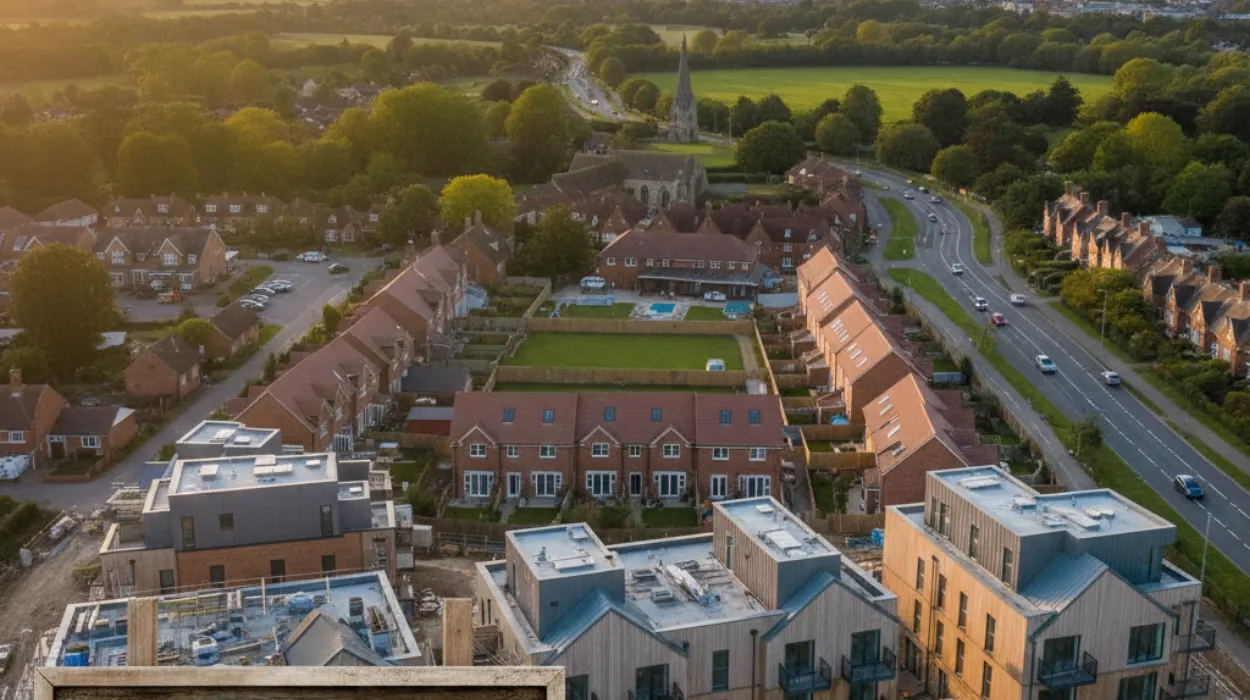
Nestled immediately north of Cambridge, separated by the bustling A14, Histon has long been a focal point in discussions about housing in the Greater Cambridge area. With a population exceeding 4,600 as of the 2011 census, the village’s proximity to the city’s world-renowned universities, science hubs, and employment centres makes it a prime target for development amid soaring demand for homes. As Cambridge grapples with one of the UK’s least affordable housing markets, Histon’s strategic location draws repeated attention from planners, developers, and residents alike, fuelling debates over sustainable growth, infrastructure strain, and preservation of village character.
This evergreen tension stems from broader regional pressures. Greater Cambridge’s economy, driven by tech and biotech sectors, generates acute housing shortages, pushing authorities to eye villages like Histon for expansion. The South Cambridgeshire Local Plan and emerging Greater Cambridge Local Plan repeatedly feature Histon, allocating new dwellings while navigating local resistance and environmental constraints. Understanding why Histon persists in these conversations requires examining its historical evolution, economic magnetism, planning frameworks, and the voices shaping its trajectory.
Histon’s Historical Roots and Growth Trajectory
Histon’s story begins millennia ago, with prehistoric trackways, Iron Age settlements, and Roman pottery unearthed locally, underscoring its longstanding appeal as a habitable locale. Recorded in the Domesday Book as Histone, answering for 26.5 hides, the village centred around Church End before shifting to The Green amid medieval expansions. Norman-era manors tied to abbeys evolved into Histon Manor House, while post-Reformation sales preserved its agrarian fabric.
The 19th century marked acceleration. The 1847 Cambridge & St Ives Branch railway arrival spurred industrialisation, notably Stephen Chivers’ 1850 orchard purchase leading to the Victoria Works jam factory. By 1939, Chivers controlled vast East Anglian lands, employing 3,000 and dominating the economy. Passenger rail ceased in 1970, freight to Chivers ended 1983, and track removal paved the way for the Guided Busway, but the infrastructure legacy cemented Histon’s commuter status.
Post-war, schools proliferated Histon School from 1722, nursery in 1963 while the 1963 A14 bypass eased access yet symbolised encroaching urbanity. Today, six pubs, multiple churches, and sports clubs evoke village charm, but population swells and land scarcity propel housing talks.
Economic Pressures Driving Housing Demand in Histon
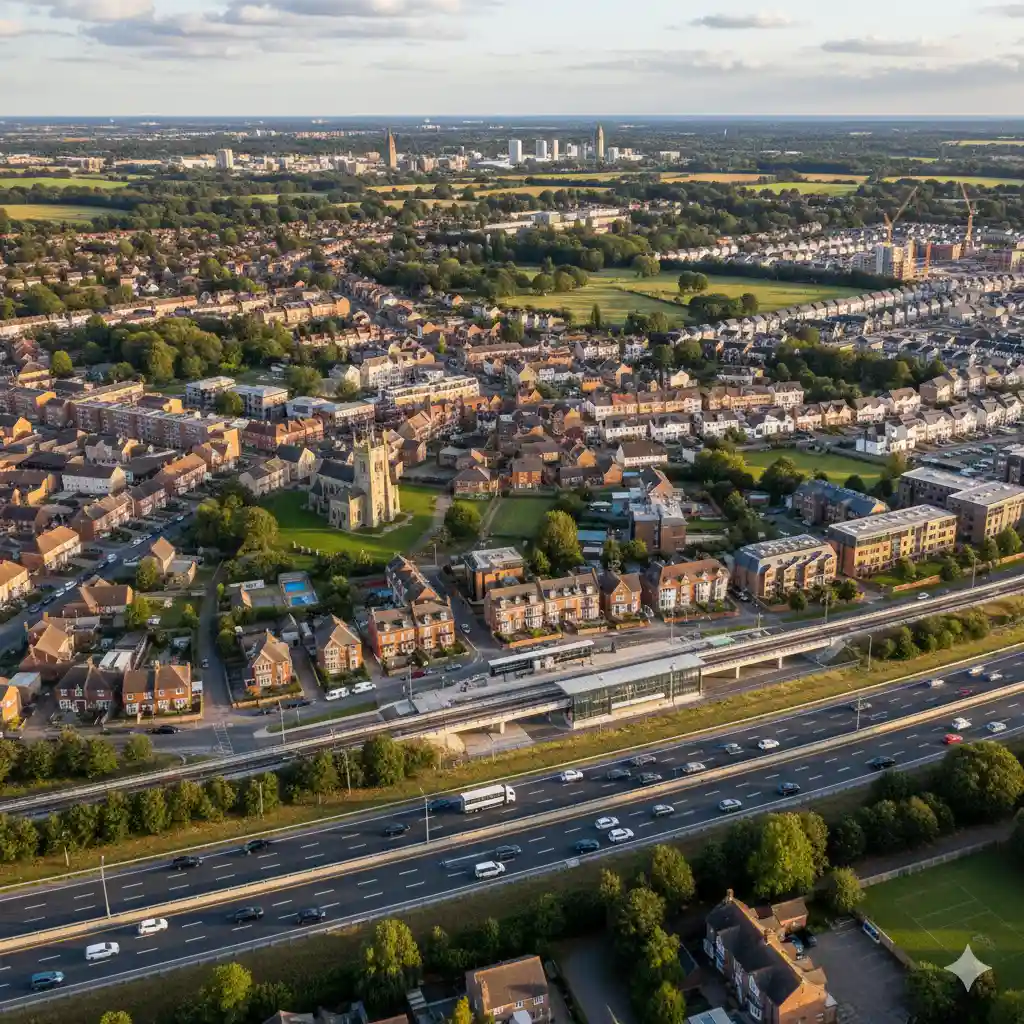
Histon’s economy intertwines with Cambridge’s Silicon Fen. Chivers’ successor Premier Foods yielded to Vision Park business estate on the factory site, hosting tech firms. Proximity to Cambridge Science Park, Cambridge Biomedical Campus, and airport fuels job growth, with average house prices soaring past regional norms.
The Greater Cambridge Local Plan draft earmarks Histon for 167 homes 2024-2045, alongside office expansions at Compass House and Chivers Way. Around 30 sites vie for residential approval, reflecting pressure to house workers amid 50,000-home regional need. Trinity College’s Cambridge Science Park North (CSPN) between Impington and Milton threatens further influx, prompting HI HUB surveys for community input.
Northstowe, the 10,000-home eco-town east of the old airfield, exemplifies spillover. Launched in 2017, it houses 26,000 eventually but faces “broken promises” on facilities 1,200 homes and shops, per residents like Pamela Nally. Surveys show 76% dissatisfaction with services, mirroring Cambourne woes and amplifying Histon strains as commuters seek affordable options.
Planning Frameworks Spotlighting Histon for Development
South Cambridgeshire’s Local Plan identifies Histon/Impington as a Minor Rural Centre, mandating proportionate growth. The 2020-2031 Neighbourhood Plan acknowledges Cambridge’s expansion necessitating housing, balancing via parish-led sites. Draft Greater Cambridge Plan elevates the former station now Busway stop into a “vibrant gateway” blending artisan workshops, retail, cafes, and residences, incorporating Station Road Garage and contested Kendal Court (appeal dismissed 2022).
Compass House gains research space, aligning with knowledge economy. Yet water woes no Cambridge Waste Water relocation and habitats protection temper ambitions. Consultation phases, from 2021 proposals to December 2025 public input, precede 2026 submission, with scrutiny committees vetting.
Histon & Impington Parish Council proactively shaped station vision, but tensions simmer over density versus amenities.
Infrastructure Challenges Fueling the Housing Debate
Housing talk in Histon hinges on infrastructure. Guided Busway aids access but divides paths, sparking safety closures at The Orchard, Manor Park. A14 congestion persists despite the busway, while CSPN risks greenfield loss without gains.
Schools Histon Early Years Centre (115 pupils), Brook Primary (458), Park Primary (317), Impington Village College (1,418) near capacity. Northstowe’s facility shortfalls warn of repeats. Doctors, shops strain; six pubs thrive, but services lag growth.
Water scarcity looms regionally, stalling plans. Residents fear “dormitory” status, echoing Northstowe’s Greef: “nothing here to do apart from sleep.”

Community Resistance and Sustainability Concerns
Locals push back. HI HUB surveys capture fears of overwhelmed GPs, schools, traffic. Neighbourhood Plan prioritises brownfield, green space. Kendal Court rejection signals viability tests.
Environmentally, Histon Woods, meadows face pressure; CSPN inclusion could yield recreation if leveraged. Optimists like Cllr Bill Handley tout progress, but “frustration” pervades.
Future Prospects: Balancing Growth in Histon
Histon endures in housing discourse as a microcosm of Cambridge’s dilemma: growth imperative versus livability. Local Plans evolve via consultation, promising mixed-use vitality. Parish engagement, like CSPN surveys, empowers voices.
Success demands sequenced infrastructure phased facilities pre-homes, per Northstowe lessons. Affordable quotas, eco-designs could reconcile tensions. As plans advance to 2045, Histon exemplifies measured expansion preserving heritage amid prosperity.