

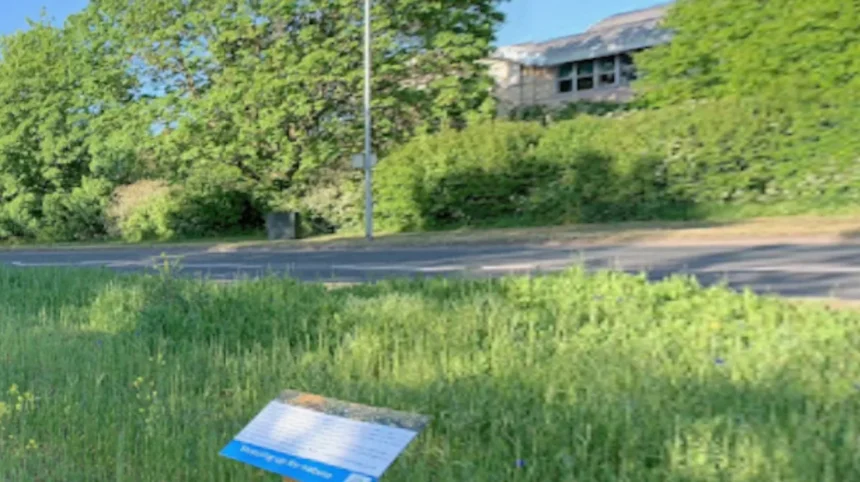
Barnwell Road, a busy residential and commuter route in the Abbey and Barnwell area of Cambridge, has periodically made local news for its deteriorating road surface and recurring potholes. For many residents, the stretch between Newmarket Road and the surrounding side streets is a daily commute, so persistent defects can quickly become a safety concern and a source of frustration. Potholes along this corridor are not an isolated problem but part of a wider pattern of ageing road infrastructure across Cambridgeshire, where freeze–thaw cycles, heavy traffic loads, and decades‑old carriageways combine to create recurring defects.
- Why Barnwell Road seems to suffer from potholes
- Who is responsible for fixing Barnwell Road potholes
- Current and planned work near Barnwell Road
- How Barnwell Road potholes are repaired in practice
- How residents can track and influence the Barnwell Road pothole fix
- What residents should expect over the next few years
Like many urban roads in England, Barnwell Road is maintained by Cambridgeshire County Council’s Highways service, with oversight and planning input from Cambridge City Council. When the surface gives way, residents often report potholes via council‑run reporting tools, triggering an inspection and repair schedule based on risk, depth, and traffic volume. For Cambridge audiences, this means that information about the Barnwell Road potholes fix is not just about “when will they patch it?” but also about how highway budgets, long‑term resurfacing plans, and local campaigns influence the outcome.
Why Barnwell Road seems to suffer from potholes
Barnwell Road carries a mix of local traffic, buses, deliveries, and through‑route vehicles heading toward or from Newmarket Road and the A14 corridor. Heavier vehicles, frequent braking at junctions and the roundabout, and the natural wear of a post‑war road surface all contribute to the formation of cracks and surface fatigue. When water seeps into small fractures and then freezes in winter, the repeated expansion and contraction of ice can rapidly turn a minor crack into a deep pothole visible to drivers and cyclists alike.
Another factor is the age and construction of the road itself. Many stretches of Barnwell Road sit on foundations laid several decades ago, and patching alone does not always address underlying structural weakness. This is why some repairs appear to be temporary: contractors fill the surface void, but once traffic and weather act again, the same spot may reappear on the council’s list for inspection. For Cambridge residents, understanding that Barnwell Road is part of a broader Cambridgeshire road network helps explain why repairs are prioritised by risk category and not by “who complains loudest.”
Who is responsible for fixing Barnwell Road potholes
In Cambridge, responsibility for repairing potholes on Barnwell Road lies with Cambridgeshire County Council’s Highways department, not with Cambridge City Council directly. The city council focuses on local planning, environmental improvements, and some local highway schemes, while the county council manages the main road network, including Barnwell Road and the adjacent Newmarket Road corridor. This division of functions can sometimes confuse local residents, who may expect the city council to act immediately when a pothole appears.
Pothole repairs are governed by national and local standards that set minimum thresholds for intervention. Typically, councils will respond more quickly to potholes that are deeper than about 4 cm and wider than a certain width, treating these as higher‑risk defects that could damage vehicles or cause accidents. Smaller or shallower defects may be scheduled for later repair or grouped into broader resurfacing schemes affecting entire stretches such as the Newmarket Road corridor near Barnwell Road roundabout.
Residents can contribute to the process by reporting potholes through the council’s online highways portal or via local reporting apps, which link the issue into the county’s work‑order system. On highly visible streets like Barnwell Road, repeated reports and community campaigns can help push a stretch higher up the priority list, especially where multiple potholes cluster near junctions or pedestrian crossings.
Current and planned work near Barnwell Road
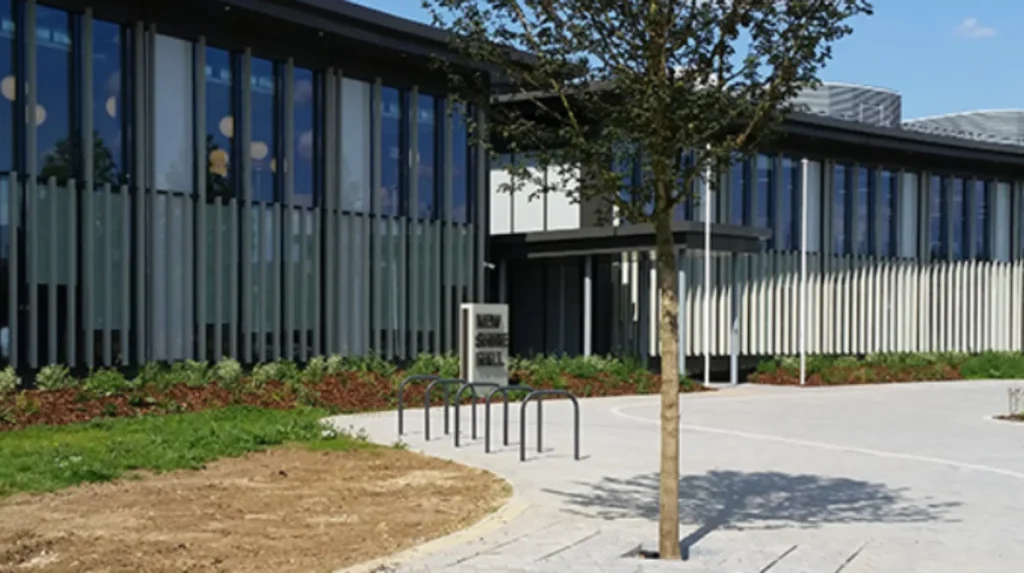
Cambridgeshire County Council’s capital highway‑maintenance programme includes several schemes that indirectly affect Barnwell Road and its surroundings. For example, resurfacing works have been planned along the Newmarket Road corridor from the Barnwell Road roundabout to Meadlowlands Road, aiming to improve the overall surface condition and reduce the frequency of new potholes in that zone. These works are part of a multi‑year investment package funded through the county’s highways budget, which also supports bridge repairs, cycleway upgrades, and preventative maintenance across the region.
While Barnwell Road itself may not always appear as a standalone headline scheme, it benefits from being close to higher‑priority routes such as Newmarket Road and the A1303. When the county undertakes major resurfacing or structural repairs on adjacent roads, contractors often coordinate to address joining sections of Barnwell Road at the same time, smoothing junctions and reducing edge‑failures that can turn into potholes. Details of these projects are typically published in the council’s “Indicative List of Priority Schemes” and on its transport‑investment pages, which local residents can monitor for updates on when Barnwell‑adjacent work might begin.
Separate from structural repairs, community‑led projects such as the Barnwell Verge Project have focused on improving the green edges along Barnwell Road to reduce informal parking and mud‑bog conditions that can exacerbate drainage issues. While this work does not directly fix potholes, better drainage and a more stable verge can help slow the rate at which new defects develop along the carriageway.
How Barnwell Road potholes are repaired in practice
When a pothole on Barnwell Road meets the council’s intervention criteria, it is usually repaired using one of two main methods: cold‑patch repairs or structural resurfacing. Cold‑patch repairs involve cleaning the defect, applying a bituminous filler, and compacting it so that the surface is safe for traffic until a more permanent solution can be scheduled. This approach is often used in winter or on lower‑priority roads because it can be completed quickly without closing the road for long periods.
For more serious or recurring defects, the county council may schedule a structural repair or full resurfacing of the affected section. This involves removing the damaged surface layer, strengthening the base where necessary, and laying a new asphalt course that can last several years if maintained properly. Structural repairs are typically planned during off‑peak hours or in phases to minimise disruption to residents, bus services, and emergency‑vehicle routes. Cambridgeshire’s highways contracts often allow for high‑risk potholes to be fixed within a few days and lower‑risk defects within a few weeks, depending on available crews and weather conditions.
Residents may notice that some repairs look “patchy” at first but improve over time as the new material settles and the road surface is trafficked. Council guidance also notes that repeated repairs to the same spot are sometimes unavoidable if underlying structural problems remain, which is why targeted resurfacing rather than repeated patching is preferred for long‑term durability.
How residents can track and influence the Barnwell Road pothole fix
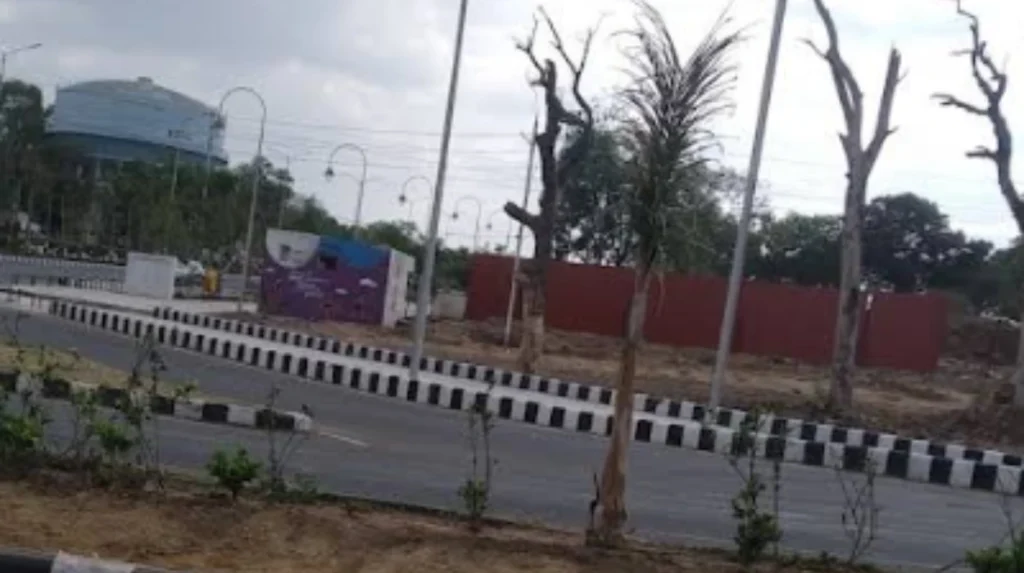
Cambridge residents who want to stay informed about the Barnwell Road pothole fix have several options. First, the Cambridgeshire County Council Highways website provides live updates on roadworks, planned resurfacing, and pothole‑repair statistics for the region. Residents can search by road name or postcode to see whether Barnwell Road appears in current or upcoming worksheets, including planned resurfacing of the Newmarket Road corridor that borders the Barnwell area.
Second, residents can report visible potholes themselves using the council’s online reporting tool, uploading photos and noting the exact location. This not only creates a formal record but also helps the council prioritise repairs based on verifiable evidence rather than anecdote alone. Community groups in Abbey and Barnwell have occasionally used collective reporting to highlight stretches where multiple potholes cluster, which can nudge a section higher up the repair‑priority queue.
Third, local democratic channels such as parish and city‑council meetings, public‑consultation notices, and Highway Safety Panels can provide opportunities to raise concerns about Barnwell Road. Where council‑led schemes such as Cambridge Eastern Access or Active Travel improvements touch the Barnwell Road roundabout, residents can respond to consultations to emphasise the need for durable surfacing and good drainage. While these processes do not guarantee faster repairs, they can help shape long‑term investment decisions that benefit Barnwell Road in the medium term.
What residents should expect over the next few years
For Cambridge audiences, the Barnwell Road potholes fix is likely to remain an evolving story rather than a one‑off event. As Cambridgeshire continues to channel millions of pounds into highways maintenance and preventative work, sections of Barnwell Road and its surrounding junctions should gradually see fewer emergency patch repairs and more planned resurfacing. However, residents should still expect periodic disruptions during works, temporary traffic controls, and the need to report new defects as they appear.
In practical terms, residents can plan around known worksheets by checking the council’s highways page regularly and adjusting their routes if major resurfacing is scheduled near the Barnwell Road roundabout or adjacent stretches. They can also protect their vehicles by reducing speed through known‑defect areas and keeping an eye out for newly formed potholes, particularly after wet or icy weather. Community‑led initiatives, such as green‑edge projects that improve drainage and reduce roadside mud, may combine with structural repairs over time to create a more stable and safer environment for all road users.
Is Mill Road Cambridge open?
Mill Road in Cambridge is currently open to general traffic, though it has seen temporary closures and traffic‑order changes in recent years as part of active‑travel and congestion‑reduction schemes; residents should check Cambridgeshire County Council’s live traffic pages for any short‑term works or restrictions.
What is the new city outside Cambridge?
A proposed new urban development called “Forest City” is being planned on farmland east of Cambridge, between Newmarket and Haverhill, intended as a large‑scale housing and woodland project separate from Cambridge itself.
What is the most expensive town in Cambridgeshire?
Cambridge consistently ranks as the most expensive town in Cambridgeshire for house prices, with average property values well above other local towns and rural areas.
How do I report bad parking in Cambridge?
Bad or dangerous parking in Cambridge can be reported via Cambridge City Council’s online reporting system for parking issues, which allows residents to log specific locations and types of obstruction for enforcement follow‑up.
Can you claim for pothole damage in the UK?
Yes, you can potentially claim for pothole‑related vehicle damage in the UK by proving the council was aware of the defect or failed to maintain the road, usually through a formal complaint and evidence such as photos, repair estimates, and a record of any prior reports.