
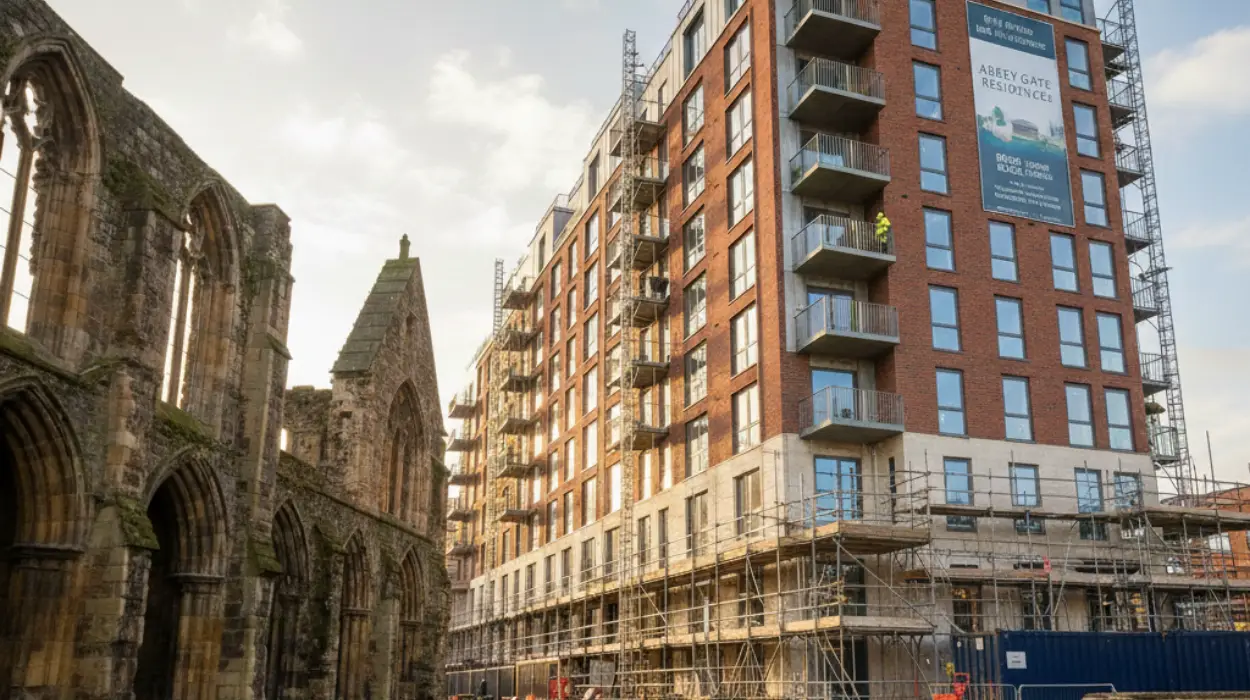
Abbey Ward in Cambridge has witnessed a notable uptick in student housing developments as the city’s universities expand. This growth addresses surging demand from students while reshaping the local housing landscape.
Abbey Ward Overview
Nestled in the eastern part of Cambridge, Abbey Ward forms a diverse and dynamic community shaped by its industrial heritage and proximity to key educational hubs. Covering approximately 3.993 square kilometers, the ward houses around 10,716 residents as of recent estimates, with a density of 2,683 people per square kilometer. Its boundaries encompass areas like Newmarket Road and East Barnwell, blending historic sites such as the Barnwell Priory ruins with modern residential estates developed in the early 20th century.
The ward’s evolution traces back to the 19th century when railway expansion drew workers and craftsmen, leading to steady population growth. By the 1920s, council housing estates like Fen Ditton Fields emerged to accommodate families tied to local industries such as Marshall’s Aerospace and Pye Electronics. Today, Abbey Ward reflects Cambridge’s broader transformation into a knowledge economy powerhouse, with a population split roughly evenly between males and females, and age groups showing a strong working-age cohort of 7,559 individuals aged 18-64.
Demographically, the ward boasts a multicultural fabric, with 8,524 residents identifying as White, 1,156 as Asian, and significant EU-born populations at 1,798. This diversity stems from its appeal to international students and professionals drawn to nearby institutions like the University of Cambridge and Anglia Ruskin University. Median property prices hover around £420,000, underscoring affordability challenges amid high demand.
Historical Housing Context
Housing in Abbey Ward has long mirrored Cambridge’s growth pressures. In the early 1900s, the area shifted from green fields to terraced homes for railway staff, setting the stage for later council-led expansions. Between 1918 and 1939, the Fen Ditton Fields estate saw initial builds along Ditton Walk, growing to 564 houses by 1948 and over 1,500 by 1955 with additions on Ekin and Keynes Roads.
Postwar developments prioritized family homes, but by the late 20th century, private starter homes filled gaps east of Fen Ditton Lane. In 1998, the ward’s population reached 6,790, highlighting steady influxes. This foundation of modest estates now contends with modern demands, including student housing, as universities burgeon. Traditional tenure mixes owner-occupied and social housing, with 7.2% overcrowding rates signaling persistent needs.
Cambridge Student Population Surge
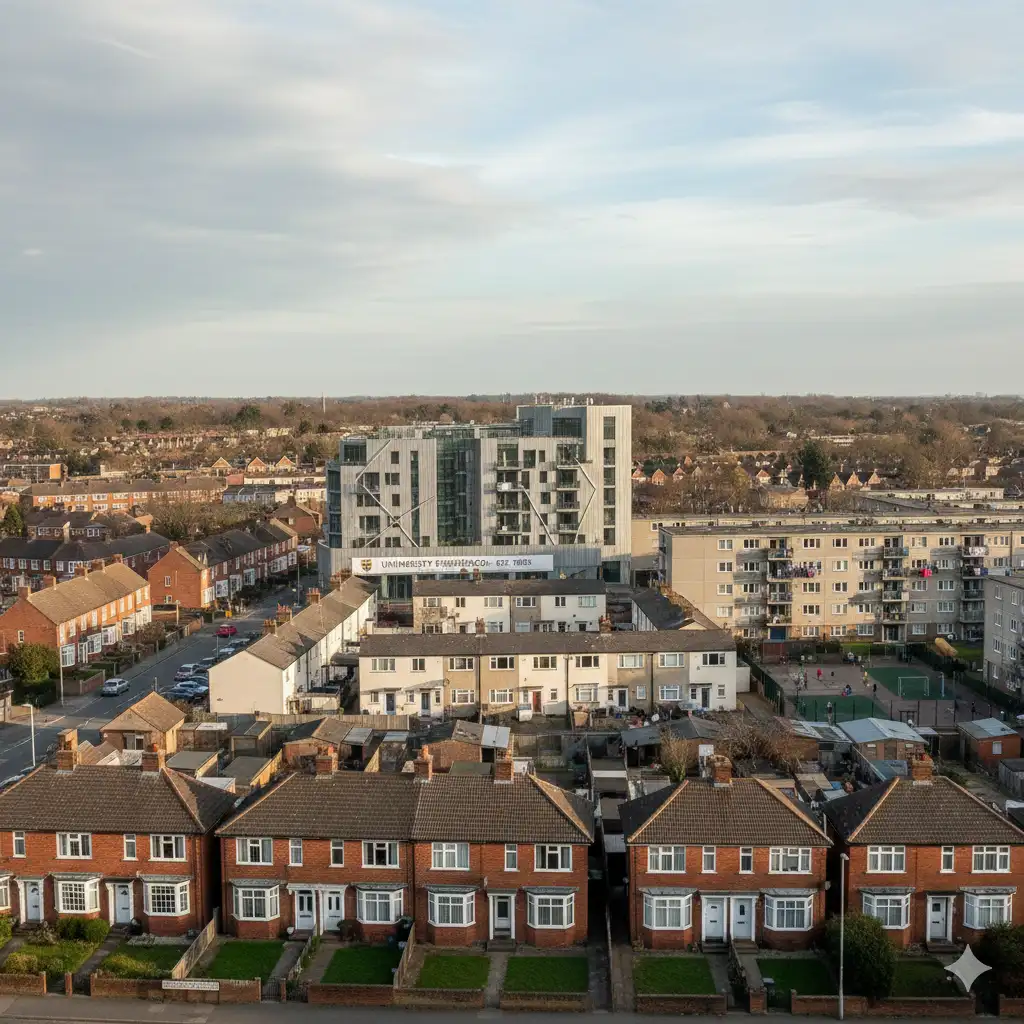
Cambridge’s student numbers fuel housing dynamics across wards like Abbey. A 2017 assessment pegged full-time students at around 36,712, excluding part-timers who typically reside elsewhere. The University of Cambridge dominates with 21,227 students, while Anglia Ruskin adds 9,485, and non-university entities contribute 15,420 more.
Undergraduates often occupy purpose-built student accommodation (PBSA), with 91% at Cambridge University in college halls versus just 11% at Anglia Ruskin. Postgraduates show greater reliance on shared rentals, averaging 3.5 to 5 students per dwelling. Projections to 2026 anticipated up to 8,959 additional PBSA beds to house growth and free shared properties for families, potentially releasing 1,200-1,700 houses market-wide.
Recent trends amplify this, with academic collaborations and tech hubs like Cambridge Biomedical Campus drawing visiting scholars for short-to-medium stays. Anglia Ruskin’s expansion and Cambridge’s 0.5% annual undergraduate growth sustain pressure, converting family homes into multi-lets.
Student Housing Developments in Abbey Ward
Abbey Ward exemplifies this shift, with stalled and emerging projects highlighting tensions. Sites along Newmarket Road, like 444 Newmarket Road (permission 2019), linger despite remediation, criticized for delaying amid housing shortages. Another at 212-214 Newmarket Road sold for over £1 million, eyed for flats but sparking banked-permission concerns.
More positively, Cambridge Investment Partnership (CIP) drives regeneration. On Ekin Road, plans for 134 homes—78 council, 56 private—replace outdated stock, prioritizing larger units including five-bedroom council homes and wheelchair-adapted designs. Meeting the ‘Cam Standard’ for energy efficiency, these feature green roofs and play areas. Nearby East Barnwell adds momentum, with £54 million reviving sites for community facilities, though debates over heights and traffic persist.
CIP’s broader Abbey push delivers 120 council homes, replacing ageing flats to meet family needs. Student-specific builds, including private halls, have proliferated since 2011, with 2,511 units citywide by 2016 and pipelines like 1,281 beds. Abbey’s proximity to Anglia Ruskin positions it for cluster flats over pricey studios, aligning with institutional preferences.
Reasons Behind the Increase
University-led growth propels Abbey’s student housing rise. Cambridge University’s postgraduate expansion at 2% annually demands flexible options beyond colleges. Anglia Ruskin, lacking on-site halls, relies heavily on private rentals, with data showing elevated private rented proportions. Non-university schools favor private halls (82% usage) and homestays.
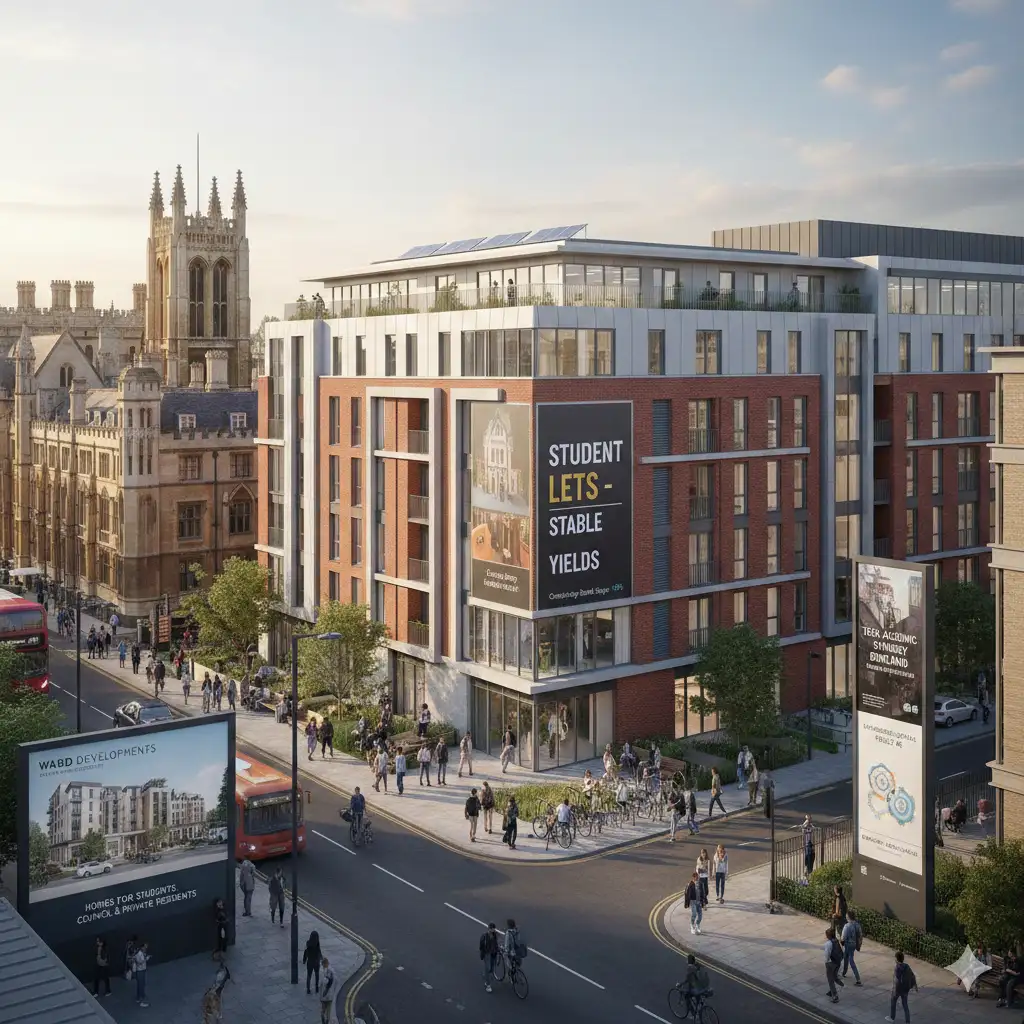
Economic viability draws developers: student lets offer stable yields amid Cambridge’s rental surge of 15% in recent years. Planning policies like emerging Local Plan Policy 46 tie developments to institutions via leases, curbing speculation. Ward investments exceeding £100 million blend student, council, and private homes, balancing needs. Tech-academic synergies heighten demand for short-term, self-contained units near campuses.
Impacts on Local Housing Market
The student influx strains Abbey’s market. Shared houses estimated 1,000+ for Anglia Ruskin alone divert family stock, exempting some from council tax and social housing mandates. This exacerbates shortages, with locals competing against high-earning researchers.
Yet PBSA could liberate dwellings: full rollout might return 600-1,700 properties, easing pressures if not re-HMO’d. Developments like Ekin Road net 97 council gains across sites, fostering mixed communities. Drawbacks include overbearing builds and traffic, as voiced in East Barnwell objections. Overcrowding at 7.2% persists, with sheltered schemes aiding seniors but not core needs.
Economically, students bolster local businesses, but chronic crises demand policy tweaks like Article 4 Directions on HMOs.
Challenges and Controversies
Growth sparks debates. Stagnant sites frustrate, with developers “squatting” for gains, undermining supply. Abbey residents lament student hotels amid family shortfalls. Studios mismatch needs, favoring pricier isolation over social clusters.
Objections highlight “crammed” designs and club displacements. Policy gaps persist: no affordable mandates on PBSA due to viability, risking inequity. Balancing universities’ economic clout with resident priorities remains key.
Future Prospects
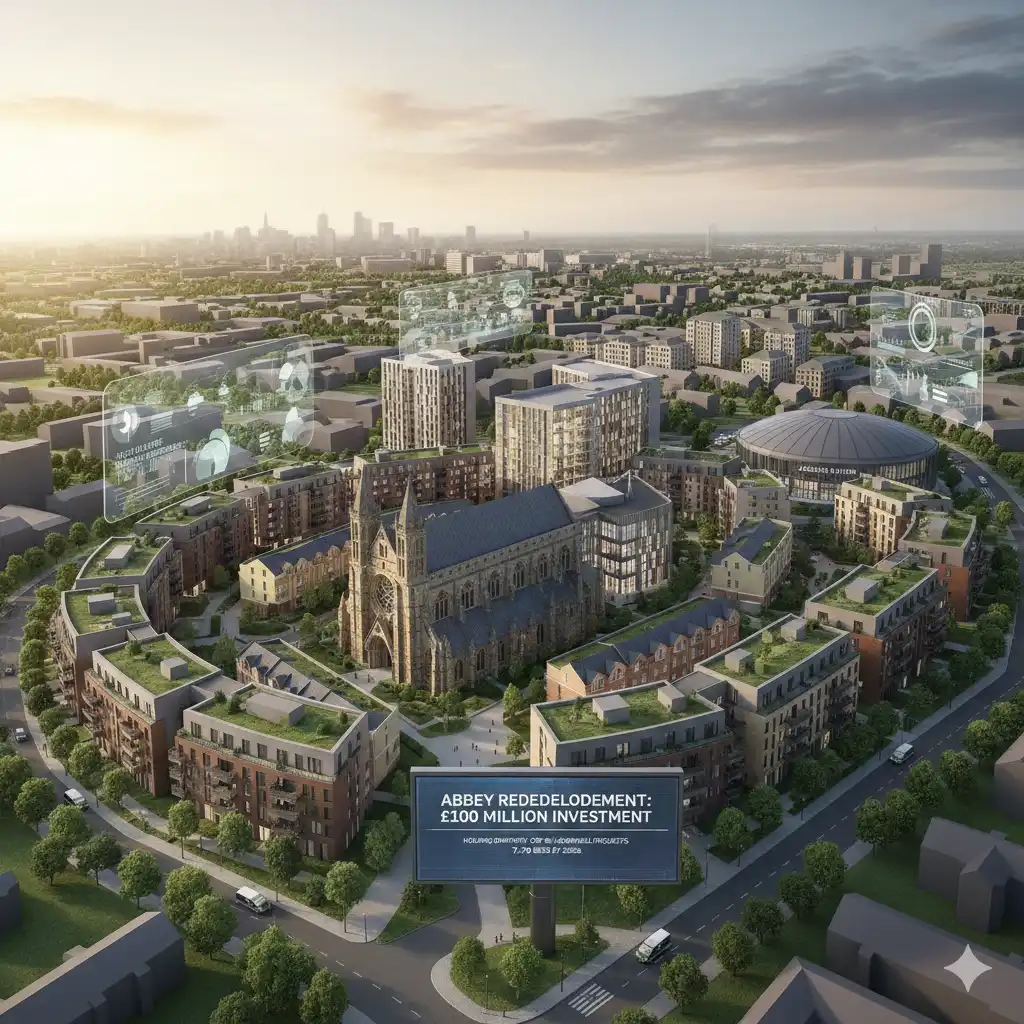
Over £100 million earmarked for Abbey signals sustained investment in housing diversity. CIP’s Ekin and Barnwell projects prioritize families, potentially integrating student elements. Pipelines post-2016 absorb growth, targeting 7,678 beds by 2026.
Emerging policies advocate defined PBSA zones near facilities, nomination agreements, and transparent need assessments. Tech-academic booms promise year-round demand, favoring flexible rentals. Successful integration could model sustainable growth, releasing stock while honoring heritage.
Community and Policy Responses
Residents engage via consultations, influencing heights and facilities. Council strategies emphasize ‘Cam Standard’ resilience and larger affordable units. Charities like Abbey People navigate divides, prioritizing local families.
Planning evolves to include diverse students in housing profiles, avoiding double-counts. Future Local Plans may allocate sites strategically, curbing windfalls.
Abbey Ward’s student housing trajectory underscores Cambridge’s challenges and opportunities. Strategic PBSA expansion promises relief, fostering inclusive growth for students and families alike.