

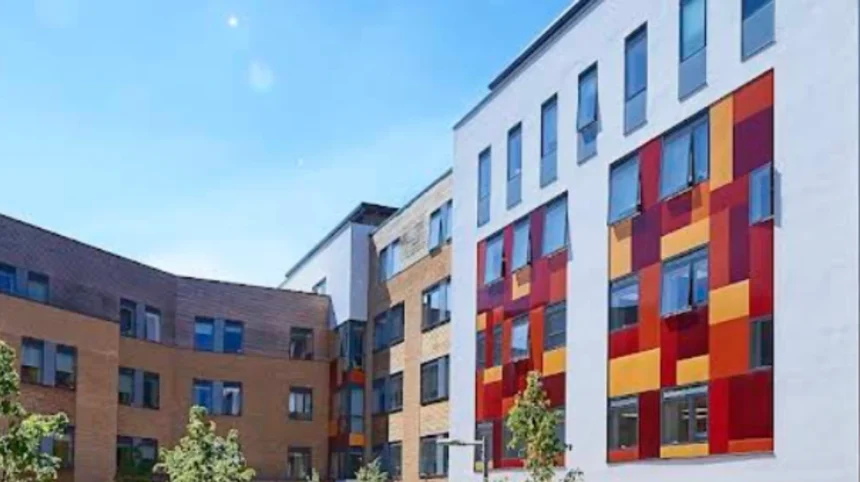
Cambridge’s Abbey area, nestled near the iconic Abbey Stadium and historic landmarks, embodies the city’s charm but grapples with persistent public transport challenges. These issues affect daily commuters, students, and visitors alike, making efficient travel a key concern for locals. This article delves into the core limitations and offers timeless strategies to overcome them.
- Understanding Abbey Cambridge
- Public Transport in Cambridge Overview
- Key Public Transport Limitations Around Abbey
- Abbey Cambridge Dealing with Public Transport Limitations
- Congestion and Peak-Hour Challenges
- Route Inefficiencies and Coverage Gaps
- Safety and Accessibility Issues
- Strategies for Better Mobility in Abbey
- Future Improvements and Advocacy
- Practical Tips for Abbey Commuters
Understanding Abbey Cambridge
The Abbey district in Cambridge sits in the city’s northeast, close to the River Cam and key sites like the Abbey Stadium, a longstanding hub for sports and community events. This vibrant neighborhood blends residential streets with educational institutions like Abbey College Cambridge, drawing a mix of families, students, and sports enthusiasts. Its proximity to the city center—about two miles away—positions it as a gateway for those commuting inward, yet the area’s layout amplifies transport woes.
Historically, Abbey Cambridge evolved from medieval roots tied to local monasteries, growing into a modern suburb amid Cambridge’s expansion. Today, it serves as home to over 10,000 residents, with Abbey Road and surrounding lanes forming the backbone of local life. The district’s appeal lies in its green spaces and community feel, but limited road widths and high footfall from nearby attractions strain infrastructure. For Cambridge locals, Abbey represents convenience overshadowed by mobility hurdles.
Public transport here relies heavily on buses, with the train station a 15-minute walk away, serving routes to London and regional hubs. Despite these links, the area’s transport network lags behind the city’s academic and tech-driven growth, creating bottlenecks that persist year-round.
Public Transport in Cambridge Overview
Cambridge boasts a network anchored by Stagecoach’s Citi buses, Park & Ride schemes, and the Cambridgeshire Guided Busway, one of Europe’s longest at 16 miles. These services connect suburbs like Abbey to the center, Addenbrooke’s Hospital, and rail interchanges. Buses run frequently from early morning to late night, with fares capped at £2 for single trips under the national scheme, making them affordable for most.
Yet, the system’s strengths falter in peak integration. The Guided Busway, launched in 2011, promised swift travel but faced criticism for delays where it merges with roads like Milton Road. Park & Ride sites on the outskirts shuttle visitors inward, reducing city-center cars, but uptake varies by weather and timing. Cycling paths and punts on the river add flavor, though they suit leisure over necessity.
For Abbey residents, these options converge at key stops like Abbey Road or Barnwell Road, linking to the A14 and beyond. Official strategies from Cambridgeshire County Council emphasize sustainable modes, targeting 30% bus modal share by promoting electric fleets and priority lanes. Still, execution reveals gaps, especially in radial routes funneling through the center.
Key Public Transport Limitations Around Abbey
Abbey Cambridge faces acute public transport limitations stemming from congestion, route inefficiencies, and infrastructure constraints. Narrow historic roads like Newmarket Road amplify delays, as buses compete with cars and cycles in a space designed for horse-drawn carts, not modern volumes. Peak-hour jams stretch a 10-minute center trip to 30, frustrating commuters who depend on reliable timing.
Frequency gaps hit hard too. While Citi 1 and 3 buses serve Abbey hourly off-peak, waits can exceed 20 minutes during evenings or weekends, per local feedback. Rural extensions to villages like Waterbeach add travel times rivaling driving, with the Citi 7 taking nearly an hour for under 10 miles due to traffic chokepoints. This isolates outer residents, pushing car reliance despite council goals for reduced emissions.
Abbey Cambridge Dealing with Public Transport Limitations
Abbey Cambridge dealing with public transport limitations requires adaptive local measures amid city-wide strains. The area’s position near the stadium means event-day surges overwhelm stops, with buses skipping or bunching unpredictably. Congestion on Barnwell Road, a bus priority corridor, persists despite upgrades, as general traffic spills over, mirroring issues in the 2021 Transport Strategy for Cambridge.
Residents report cross-city journeys—like Abbey to Arbury—forcing detours via the center, bloating times by 15-20 minutes. The Guided Busway helps northbound links but ends abruptly, dumping passengers into road chaos. Safety concerns, including past busway incidents elsewhere in Cambridgeshire, heighten wariness, with a £6 million council fine underscoring design flaws.
Capacity strains electric bus trials, vital for air quality in this dense pocket. Abbey’s student population at Abbey College relies on these services, yet 16+ age rules for unescorted train use complicate access. Official PDFs note good city coverage, but lived experience tells of unreliability, with rural South Cambridgeshire feeling the pinch most.
Congestion and Peak-Hour Challenges
Congestion defines Abbey’s transport pulse, peaking 7-9 AM and 4-7 PM as workers and students flood inward. Newmarket Road, a primary artery, operates near capacity, with buses idling amid delivery vans and school runs. The Greater Cambridge Partnership identifies this as a top challenge, advocating demand management like road pricing pilots.
Event spikes at Abbey Stadium—football matches or concerts—compound this, turning 15-minute hops into hour-long ordeals. Historic street widths preclude bus lanes fully, unlike wider European peers. Data from council strategies show buses contributing to air quality woes, yet priority measures lag, leaving Abbey dwellers cycling risks or driving shortcuts.
Rainy days worsen it, slick roads slowing guided sections and deterring bikes. Long-term, the Cambridge South East Transport Study eyes busway extensions, but funding delays mean current limitations endure.
Route Inefficiencies and Coverage Gaps
Route designs prioritize radial spokes over circles, a flaw locals lament. No direct loop connects Abbey, Chesterton, and Arbury, forcing center relays that clog Emmanuel Street. This inefficiency echoes 1939 rail speeds outpacing today’s buses, highlighting stalled progress.
Outer Abbey fringes lack evening services, with last buses before 10 PM stranding shift workers. The busway’s Milton Road merge creates pinchpoints, undercutting its 10,000 daily journeys goal. Council brochures push community solutions, but without circular routes, coverage feels patchy.
Safety and Accessibility Issues
Safety shadows Abbey’s network. Narrow pavements and busy junctions like Abbey Interchange pose pedestrian risks, especially for families or elderly. Busway designs drew scrutiny after fatalities on similar paths, prompting public consultations on lighting and barriers.
Accessibility falters for wheelchairs; older buses lack low-floor fully, despite mandates. Night travel feels dicey, with sparse lighting on paths to stations. Students at Abbey College get briefed on safe routes, but gaps persist for non-English speakers or those with mobility aids.
Strategies for Better Mobility in Abbey
Residents counter Abbey Cambridge public transport limitations through smart habits. Walking or e-bikes cover short hops under a mile, with paths along the Cam offering scenic alternatives. Apps like Stagecoach Bus Tracker predict arrivals, cutting wait anxiety.
Carpooling via Liftshare reduces cars, while Park & Ride from Trumpington eases stadium days. Council-backed e-scooters trials expand options, though helmet laws apply. Long-term, supporting busway expansions via consultations shapes fixes.
Future Improvements and Advocacy
The Greater Cambridge Partnership invests £20 million yearly in sustainable nets, eyeing Abbey bus priorities and cycle superhighways. Electric depots and AI scheduling promise reliability, per 2025 strategies. Locals advocate via petitions for circular routes, influencing plans like the City Deal.
Academic papers on urban mobility stress integrated ticketing, aligning with Cambridgeshire’s vision. Engaging South Cambridgeshire District Council forums amplifies voices, ensuring Abbey benefits from growth funds.
Practical Tips for Abbey Commuters
Plan ahead with multi-modal trips: bus to station, then train. Shoulder-peak travel dodges worst jams. Cycle parking at Abbey stops secures bikes safely. For events, pre-book coaches. These timeless tactics ease daily friction.
Abbey Cambridge’s transport story blends heritage hurdles with modern fixes. By grasping limitations and embracing workarounds, locals reclaim time and ease. Sustainable shifts promise brighter mobility ahead.
Can you get into Cambridge with a * a * a?
Achieving AAA at A-level meets or exceeds standard entry for many Cambridge courses, especially sciences requiring top grades. However, offers are conditional on interviews, admissions tests, and holistic review beyond grades alone.
Is D in Cambridge a pass?
A D grade at A-level is technically a pass, earning UCAS points for university entry. Cambridge rarely considers D grades sufficient for competitive admission, prioritizing A*/A achievements.
What is the most prestigious degree at Cambridge?
Cambridge reviews GCSEs contextually within applications but emphasizes A-level predictions and performance. Strong GCSE profiles (mostly 7-9) support cases, especially with fewer A-levels or resits.
Does Cambridge look at GCSE grades?
Cambridge primarily assesses three full A-levels alongside admissions tests and interviews. Additional AS or fourth subjects can strengthen profiles but aren’t mandatory for most courses.
Does Cambridge only look at 3 A levels?
Cambridge primarily assesses three full A-levels alongside admissions tests and interviews. Additional AS or fourth subjects can strengthen profiles but aren’t mandatory for most courses.

