

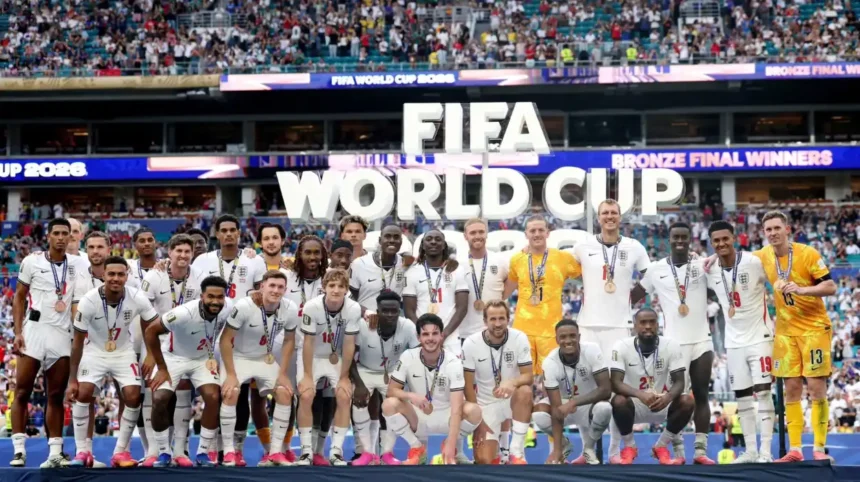
After staying onside for the past few articles, I think it’s finally time to tackle something a little closer to my heart—perhaps even more so than the singular blue-moon event between Cape Verde and Argentina last month. Don’t worry, my football fever will be drawing to a close after this one.
To quote Oasis: ‘Backbeat, the word is on the street that the fire in your heart is out.’
In contrast to some, I’ve only been following the World Cup since 2018. So, while I may not have the decades of England heartbreak under my belt that others can proudly claim, I’ve had more than enough time to learn the all-too-familiar cycle: hope, optimism, nerves and, eventually, heartbreak. English football certainly has a way of setting you up for disappointment.
And yet, my first World Cup at 17 years old gave me something I probably should have known better than to expect from England—that feeling of hope. I watched as England finally won a World Cup penalty shootout against Colombia, ending a hoodoo that had haunted the team for generations. Their loss to Portugal on penalties, 3–1 in ‘06, for example, had become another painful chapter in their story. But for those who had lived through the heartbreak of 1990, 1998, and 2006, that victory in 2018 was more than just a place in the quarter-finals against Sweden—it was a moment of redemption.
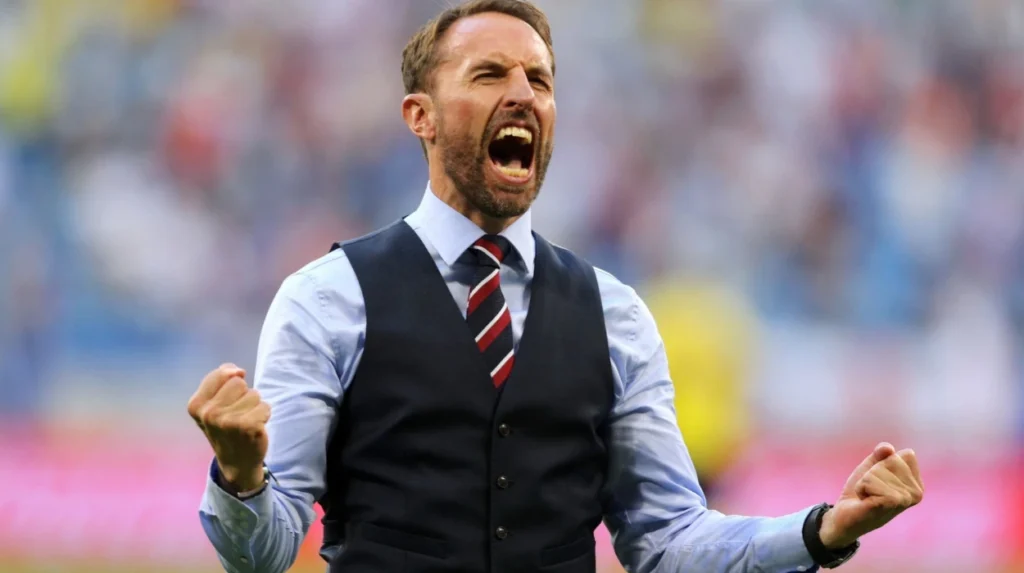
At the time, I didn’t fully appreciate just how significant that moment was. I was 17, watching England finally do something I had heard so much about but never actually seen: win a knockout game on penalties. For once, the dreaded shootout didn’t end in disappointment. Instead, I found myself watching Jordan Pickford celebrate a win with his squad, and for once, there was no familiar feeling of despair waiting at the end of it. Looking back, that may have been the moment I properly started to enjoy watching England play.
But of course, football has a habit of reminding you of who is in charge. Their test against a relentless Croatian side in the semi-finals slammed the brakes on what could have been a dream finale against France. After Kieran Trippier’s early free-kick sent England into a state of delirium, Croatia slowly wrestled control of the game away from them. The equaliser came, extra time followed, yada yada yada—their World Cup dream was over.
At 17, I didn’t quite have the years of heartbreak that came before me, but something about that tournament had changed the way I saw the team. We had gone further than I had ever seen us go, and I genuinely believed we could go all the way.
2026’s campaign revitalised that feeling more than ever. After years of watching England come close, only to fall short when it mattered most—as they did against France in 2022—this felt different. The belief I had carried since 2018 was suddenly stronger than ever, and for once, it felt as though England had the resilience and determination to match it.
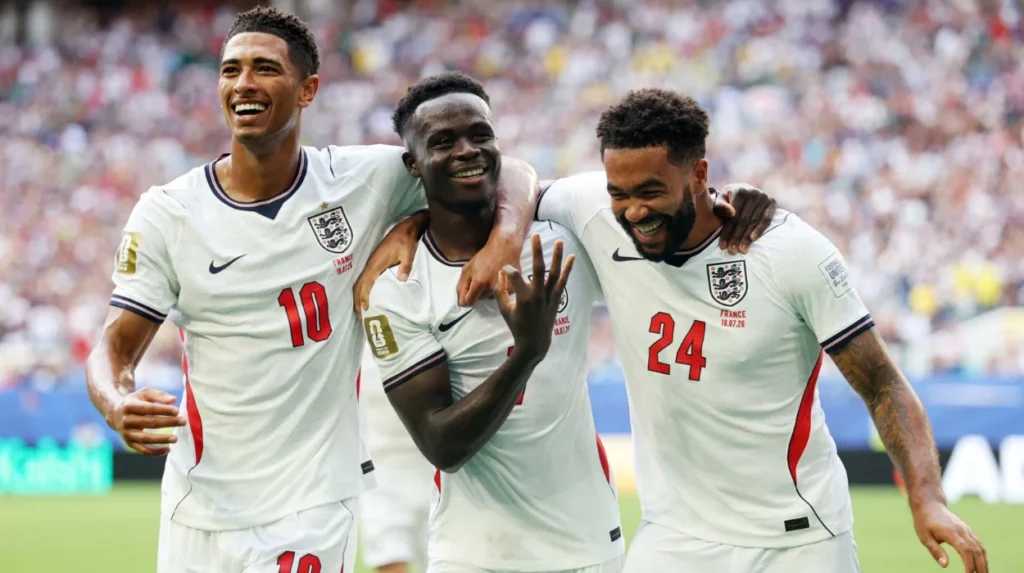
But that is the thing about being an England fan. You can spend years telling yourself not to get carried away, only to find yourself doing exactly that the moment the team gives you a reason to believe. Every victory makes the dream feel a little more real, even when you’re perched at the edge of the couch, barely able to watch the final few minutes. And somehow, no matter how many times we’ve been hurt before, we convince ourselves that this time might just be different.
Finishing third place was England’s greatest World Cup achievement since 1966. Of course, it wasn’t the ending I had imagined, but I’m extremely happy with the result. After the heartbreak against Argentina in the semi-finals, it felt like the team was cursed to never bring it home. But beating France 6–4 in the bronze final gave us something to celebrate, and, more importantly, something to believe in.
Because as Oasis once put it: ‘You’re my Wonderwall!’ And despite everything, that’s a good enough reason to keep the faith.