
Key Points
- Seven human skeletons have been discovered during roadworks at Queensgate roundabout in Peterborough, Cambridgeshire.
- The remains are believed to date from a medieval cemetery that was later used during the Victorian era.
- Peterborough City Council has obtained an archaeological licence and appointed a specialist archaeologist to oversee the reburial in line with national guidelines.
- City Link project works are forecast to be delayed by around four weeks, though the council is exploring options to recover time in later phases.
- The discovery follows previous archaeological finds in Peterborough and wider Cambridgeshire, including a 2014 dig that uncovered about 70 skeletons.
Cambridge (Cambridge Tribune) August 06, 2026 – More human skeletons have been found during major roadworks in Peterborough city centre, with seven remains uncovered at the Queensgate roundabout as part of the City Link project. The discovery has prompted a pause in construction while archaeological procedures are followed, and the council has indicated the scheme could face a delay of up to four weeks.
- Key Points
- What has been found at Queensgate roundabout?
- How are authorities responding to the discovery?
- What is the City Link project?
- Have there been similar finds in Peterborough before?
- What do experts say about the site’s history?
- How will the remains be handled?
- Background: How did this development arise?
- Prediction: How could this affect residents and commuters?
What has been found at Queensgate roundabout?
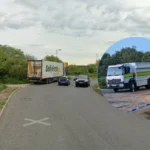
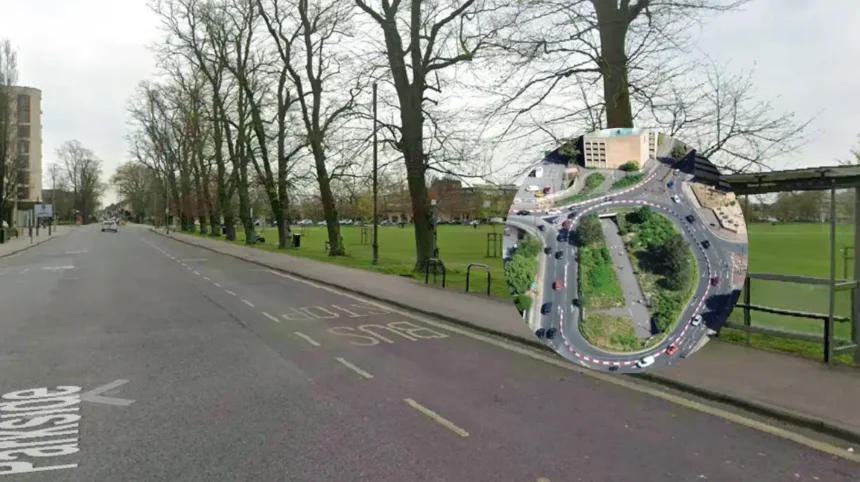
As reported by multiple outlets including Hello Rayo and Peterborough Matters, seven human skeletons were discovered on land within the Queensgate roundabout, where City Link works are ongoing. The remains were encountered by construction workers during redevelopment of the roundabout area. According to statements shared by Peterborough City Council on social media, an archaeologist assessed the site and concluded the burials likely originate from a cemetery that existed during the medieval period and was subsequently used in Victorian times.
How are authorities responding to the discovery?
Peterborough City Council said it has obtained an archaeological licence and appointed an archaeologist to ensure the skeletons are reburied in line with national guidelines. In a statement to social media, a council spokesperson said: “We have obtained an archaeological licence and appointed an archaeologist to ensure the skeletons are reburied in line with national guidelines.” The local authority added that the City Link works may be delayed by four weeks while the remains are removed, but the project team is looking at options to reduce this delay in later phases of the project.
What is the City Link project?
The City Link project is a major walkway and transport improvement scheme in Peterborough that includes redevelopment around the Queensgate roundabout. The works aim to improve connectivity in the city centre, and the roundabout area forms a key part of the route. The discovery of human remains has temporarily halted elements of the construction while archaeological protocols are followed.
Have there been similar finds in Peterborough before?
Yes. Peterborough has a history of archaeological discoveries during development. In 2014, about 70 human skeletons were uncovered by archaeologists during a dig at a former factory on Midland Road before the site was redeveloped for housing. Dr Rebecca Casa-Hatton, lead archaeologist at Peterborough City Council, said at the time: “At the moment we presume they may be medieval but we can’t discount they may be late-Roman.” More recently, in July 2026, local reporting noted the latest find of seven skeletons at Queensgate and highlighted the site’s past as a burial ground linked to Cowgate.
What do experts say about the site’s history?
An archaeologist consulted by the council believes the Queensgate roundabout area once served as a cemetery dating back to the medieval period, with later use during the Victorian era. Historical context provided by local heritage accounts describes the location as a lost burial ground beneath the roundabout, with references to a Georgian graveyard and later disturbance during 20th‑century works. The combination of medieval and Victorian use aligns with patterns seen in other English towns where burial grounds were built over as cities expanded.
How will the remains be handled?
Under UK archaeological and burial law, human remains uncovered during development must be treated with care and reinterred appropriately. The council’s appointment of a specialist archaeologist and acquisition of an archaeological licence are standard steps to ensure compliance with national guidelines. The remains will be recorded, assessed, and then reburied in accordance with those guidelines, with the process overseen by the appointed archaeologist.
Background: How did this development arise?
The City Link scheme was planned to improve pedestrian and transport links in Peterborough city centre, with the Queensgate roundabout identified as a key work area. As construction began, workers encountered human remains within the roundabout’s footprint. The council then paused relevant works, secured an archaeological licence, and brought in a specialist to manage the excavation and reburial process. The project timeline was subsequently adjusted to reflect a forecast four‑week delay, with efforts to mitigate the impact in later phases.
Prediction: How could this affect residents and commuters?
For Peterborough residents and commuters, the most immediate effect is likely to be short‑term disruption around the Queensgate roundabout as archaeological work proceeds and the four‑week delay is absorbed into the City Link schedule. If the council successfully recovers time in later phases, the overall completion date may shift only modestly, but localized traffic management and overnight closures could continue in the near term. For the wider Cambridgeshire audience, the find reinforces the region’s rich archaeological landscape and may prompt greater scrutiny of future city‑centre schemes, potentially leading to more pre‑construction surveys and contingency planning where burial grounds are suspected.