

Fen Ditton is a historic riverside village in Cambridgeshire, England, located immediately northeast of Cambridge city centre. Although millions of people visit Cambridge every year for its colleges, museums, and punting experiences, many overlook Fen Ditton despite its rich heritage, peaceful landscapes, and direct connection to the River Cam. The village combines centuries of history with protected green spaces, making it one of the area’s most rewarding destinations for visitors seeking a quieter experience. Archaeological discoveries, medieval buildings, riverside meadows, and traditional English architecture give Fen Ditton lasting historical significance. Today it remains an important part of Cambridge’s wider cultural landscape while preserving its village character.
- What Is Fen Ditton and Where Is It Located?
- Why Does Fen Ditton Have Such Historical Importance?
- What Makes Fen Ditton Different From Other Villages Near Cambridge?
- What Are the Best Places to Visit in Fen Ditton?
- Why Is Fen Ditton Perfect for Walking and Outdoor Activities?
- How Can Visitors Experience the Best of Fen Ditton in One Day?
- Why Does Fen Ditton Remain One of Cambridge’s Best-Kept Secrets?
- Frequently Asked Questions
What Is Fen Ditton and Where Is It Located?
Fen Ditton is a historic Cambridgeshire village situated approximately two miles northeast of central Cambridge on the eastern bank of the River Cam. Its location combines countryside scenery, historic buildings, riverside access, and convenient transport links, making it an attractive destination for visitors throughout the year.
Fen Ditton lies within South Cambridgeshire while bordering the eastern edge of Cambridge. The village occupies an important position between the River Cam and the historic Fleam Dyke earthwork. This geographical setting has influenced settlement, agriculture, and trade for more than one thousand years. The combination of open meadows and riverside landscapes creates one of the most distinctive environments close to Cambridge.
Visitors can reach Fen Ditton within minutes by bicycle, car, or public transport from Cambridge city centre. Riverside walking and cycling routes connect the village directly with Stourbridge Common, Jesus Green, and Cambridge’s historic colleges. These routes attract walkers, cyclists, birdwatchers, and photographers throughout every season.
Unlike central Cambridge, Fen Ditton experiences significantly lower visitor numbers. Streets remain quiet, green spaces stay open, and traditional village architecture dominates the landscape. This balance between accessibility and tranquillity explains why many local residents consider Fen Ditton one of Cambridge’s best preserved destinations.
Why Does Fen Ditton Have Such Historical Importance?
Fen Ditton has more than one thousand years of recorded history, with archaeological evidence extending back to prehistoric settlement. Its development around the River Cam, Fleam Dyke, medieval trade, and Stourbridge Fair established the village as an important regional centre throughout English history.
The earliest archaeological discoveries include Neolithic stone tools found within nearby meadows, confirming human activity thousands of years before written history. The village first appeared in historical records around AD 950 under the name “Dittone,” meaning “the village by the ditch.” The ditch referred to Fleam Dyke, one of eastern England’s most significant Anglo-Saxon defensive earthworks.
During the medieval period, Fen Ditton became closely connected with river commerce. A substantial wharf enabled merchants to transport goods along the River Cam toward the famous Stourbridge Fair, one of Europe’s largest medieval trading events. Agricultural products, textiles, livestock, and imported goods passed through the village before continuing across eastern England.
Commercial river transport gradually declined following the arrival of railway connections during the nineteenth century. Despite these economic changes, Fen Ditton preserved much of its historic street layout, listed buildings, and riverside environment. Today these features provide valuable evidence of the village’s continuous development over many centuries.
What Makes Fen Ditton Different From Other Villages Near Cambridge?
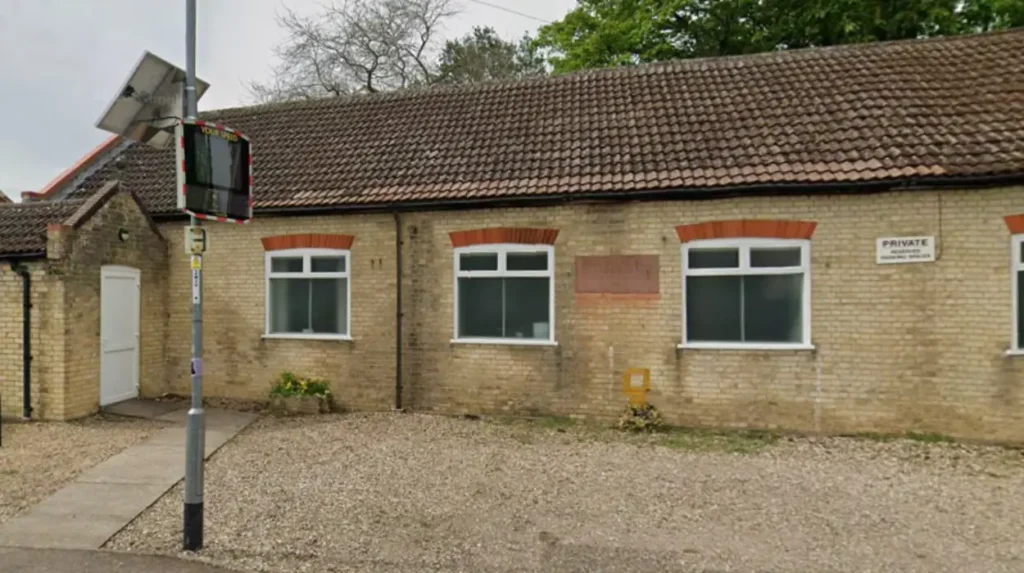
Fen Ditton stands apart because it combines protected riverside meadows, medieval heritage, historic churches, listed houses, and direct access to Cambridge without losing its traditional village atmosphere. Few nearby settlements preserve such a complete balance between history, nature, and accessibility.
One defining characteristic is the uninterrupted relationship between the village and the River Cam. Unlike heavily developed suburban areas, Fen Ditton retains extensive water meadows that separate residential buildings from the riverbank. These open landscapes support wildlife while preserving historic views recorded for generations.
Another distinctive feature is the concentration of historic buildings. St Mary the Virgin Church dates largely from the thirteenth century, while later medieval additions expanded the structure into one of the area’s architectural landmarks. Nearby properties include centuries old farmhouses, almshouses, cottages, and Ditton Hall, reflecting architectural styles from different historical periods.
Fen Ditton also benefits from excellent recreational opportunities. Riverside paths accommodate walking, cycling, rowing, birdwatching, and photography without requiring visitors to leave the Cambridge area. This combination of heritage and outdoor activity distinguishes Fen Ditton from many neighbouring villages.
What Are the Best Places to Visit in Fen Ditton?
Fen Ditton offers several historic and natural attractions within a compact riverside setting. St Mary the Virgin Church, Ditton Meadows, the River Cam, traditional pubs, and scenic walking routes together create a complete visitor experience that combines heritage, recreation, and peaceful countryside.
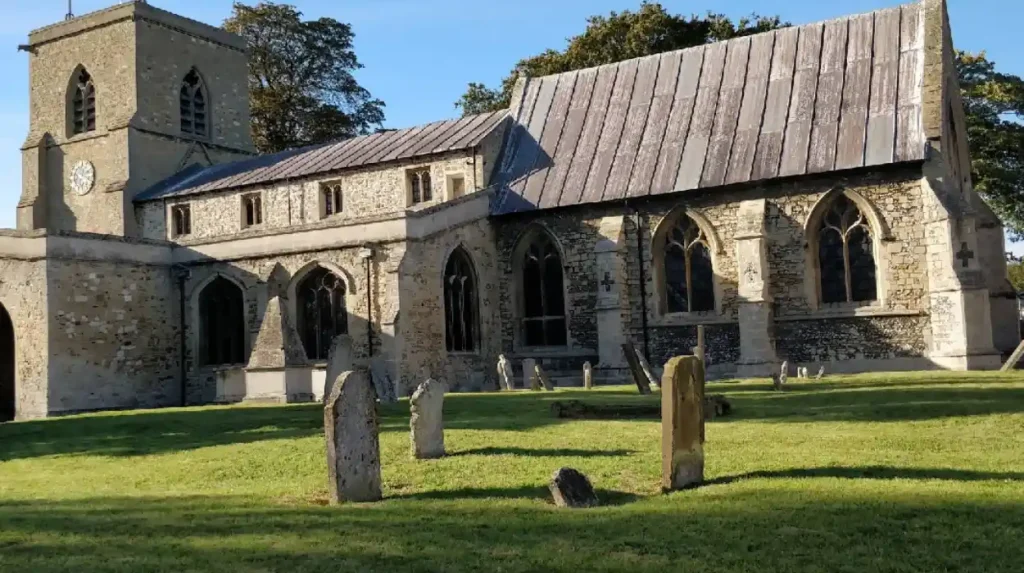
St Mary the Virgin Church is the village’s best-known landmark. Most of the present building dates from the thirteenth century, although later medieval additions expanded its architectural character. Positioned on slightly elevated ground overlooking the River Cam, the church has become a familiar landmark for walkers, cyclists, and rowing crews travelling along the river. Its historic tower and riverside setting remain defining features of Fen Ditton’s landscape.
Ditton Meadows forms one of the village’s greatest natural assets. These protected riverside grasslands separate Fen Ditton from Cambridge and preserve uninterrupted views across the River Cam. The meadows support local biodiversity while providing open space for walking, wildlife observation, and photography. Their conservation status helps protect the traditional rural character that distinguishes Fen Ditton from surrounding urban development.
The River Cam shapes daily life within the village. Visitors regularly enjoy riverside walks, rowing events, cycling, and seasonal wildlife watching along the towpaths. During Cambridge’s famous rowing competitions, crews pass directly through Fen Ditton, making the river an active sporting corridor as well as a scenic attraction. The combination of historic buildings and open water creates one of the most photographed landscapes near Cambridge.
Traditional village buildings also contribute to the visitor experience. Historic inns, period cottages, almshouses, and listed homes line High Street and Church Street, preserving architectural styles that span several centuries. Together they provide an authentic example of a Cambridgeshire riverside village that has retained much of its original appearance despite Cambridge’s rapid growth.
Why Is Fen Ditton Perfect for Walking and Outdoor Activities?
Fen Ditton provides some of the finest riverside walking and cycling opportunities near Cambridge. Continuous footpaths, protected green spaces, recreational facilities, and direct access to the River Cam allow visitors to enjoy outdoor activities throughout every season in a peaceful natural environment.
One of the village’s greatest advantages is its extensive network of public footpaths. Visitors can begin in central Cambridge and follow the River Cam through Stourbridge Common before reaching Ditton Meadows and Fen Ditton without leaving green open space. This route combines riverside scenery, historic landmarks, and abundant wildlife in a single journey.
Cyclists benefit from dedicated riverside connections linking Fen Ditton with Cambridge city centre and neighbouring villages. These largely traffic-free routes encourage sustainable travel while allowing visitors to experience the area’s natural environment at a relaxed pace. The surrounding countryside also connects with longer regional walking and cycling trails across Cambridgeshire.
The Recreation Ground provides additional opportunities for outdoor leisure. Facilities include football pitches, a cricket ground, a basketball court, children’s play equipment, and extensive open grassland suitable for families and community events. Annual village celebrations and sporting activities continue to strengthen Fen Ditton’s community identity.
Nature also plays an important role in the visitor experience. The River Cam and surrounding meadows attract waterfowl, songbirds, insects, and native plant species throughout the year. Seasonal changes transform the landscape, making every visit visually distinctive while supporting important ecological habitats protected within the wider river corridor.
How Can Visitors Experience the Best of Fen Ditton in One Day?
Visitors can explore Fen Ditton in one day by combining riverside walking, historic landmarks, local dining, and scenic viewpoints. The village’s compact layout allows travellers to experience its heritage, natural beauty, and peaceful atmosphere without rushing between attractions.
A visit often begins with a walk along the River Cam from Cambridge city centre. The riverside route passes through Stourbridge Common before reaching Ditton Meadows and Fen Ditton. Along the way, visitors enjoy uninterrupted views of open grasslands, rowing crews, mature trees, and traditional village architecture. This journey highlights the close relationship between Cambridge and its surrounding countryside.
St Mary the Virgin Church deserves time for careful exploration. Its medieval architecture, historic churchyard, and elevated riverside position reflect centuries of village history. Nearby High Street contains several listed buildings, including traditional cottages and historic residences that illustrate the area’s architectural development from the medieval period through the seventeenth century.
Visitors often continue their day by relaxing beside Ditton Meadows or enjoying refreshments at one of the traditional riverside pubs. The peaceful setting contrasts with the busy streets of central Cambridge while remaining only a short distance away. Throughout spring and summer, rowing crews, walkers, cyclists, and wildlife create a lively but uncrowded environment.
Photography enthusiasts find numerous viewpoints throughout the village. Thatched cottages, riverside willows, historic churches, rowing boats, and open meadows create distinctive landscapes during every season. Early morning and late afternoon provide particularly attractive lighting conditions across the River Cam and surrounding countryside.
Why Does Fen Ditton Remain One of Cambridge’s Best-Kept Secrets?
Fen Ditton remains overlooked because most visitors focus on Cambridge’s famous colleges, museums, and shopping streets. Its quiet location, preserved village character, protected landscapes, and historic importance offer an authentic experience that many tourists never discover despite its close proximity.
Cambridge attracts millions of visitors each year, yet most itineraries remain concentrated around King’s College, Trinity College, the Fitzwilliam Museum, and the historic market square. Fen Ditton sits only a few miles away but receives far fewer visitors because it is rarely included in standard tourist guides. This limited exposure has helped preserve its peaceful atmosphere.
The village has successfully protected much of its historic environment through conservation policies. The Fen Ditton Conservation Area safeguards important buildings, traditional streets, mature trees, and riverside grasslands. These measures ensure that modern development respects the area’s historic appearance while maintaining its distinctive rural setting.
Community life also contributes to Fen Ditton’s unique identity. Local events, recreational facilities, rowing traditions, and parish activities continue to strengthen village life while welcoming visitors. Rather than functioning as a tourist attraction alone, Fen Ditton remains a living English village with a strong connection to its historical roots.
For travellers seeking a deeper understanding of Cambridge beyond its university, Fen Ditton provides a valuable perspective. Its combination of medieval history, riverside landscapes, listed architecture, and accessible walking routes demonstrates how the wider Cambridge region has evolved over centuries while preserving many of its defining characteristics.
Fen Ditton stands apart as one of the most historically significant and naturally attractive villages on the edge of Cambridge. Its origins stretch back to prehistoric settlement, while its medieval connection with the River Cam and the internationally renowned Stourbridge Fair shaped its long-term development. Today, the village preserves its historic churches, listed buildings, riverside meadows, and traditional streets, giving visitors an authentic view of Cambridgeshire’s rural heritage.
Unlike many popular tourist destinations, Fen Ditton offers a peaceful environment without sacrificing accessibility. Visitors can reach the village within minutes from central Cambridge and enjoy scenic walking routes, cycling trails, historic landmarks, and open green spaces in a single visit. The combination of heritage, conservation, and outdoor recreation makes Fen Ditton an excellent destination throughout the year.
Its protected conservation areas, centuries-old architecture, and strong community identity demonstrate how historic English villages continue to preserve their character alongside modern Cambridge. Whether exploring St Mary the Virgin Church, walking beside the River Cam, or discovering historic buildings such as Ditton Hall, visitors gain a deeper understanding of the region beyond the famous university colleges.
For anyone looking to experience Cambridge from a different perspective, Fen Ditton provides history, nature, architecture, and riverside scenery in one destination. Its unique combination of cultural heritage and tranquil landscapes explains why it remains one of the hidden gems that many visitors overlook but remember long after their journey ends.
Frequently Asked Questions
Why is Fen Ditton considered a hidden gem near Cambridge?
Fen Ditton receives far fewer visitors than central Cambridge despite being only a short distance away. Its historic riverside setting, medieval buildings, peaceful atmosphere, and scenic walking routes provide an authentic village experience that many tourists overlook.
Can you walk from Cambridge city centre to Fen Ditton?
Yes. Visitors can follow riverside footpaths from Cambridge through Stourbridge Common and Ditton Meadows to reach Fen Ditton. The walk offers beautiful views of the River Cam, wildlife, rowing activity, and historic landscapes.
What is the most famous landmark in Fen Ditton?
St Mary the Virgin Church is the village’s best-known landmark. The church dates largely from the thirteenth century and overlooks the River Cam, making it one of the most photographed historic buildings in the area.
What historical role did Fen Ditton play in medieval England?
Fen Ditton became an important riverside trading settlement because of its wharf on the River Cam. Goods passed through the village on their way to the famous Stourbridge Fair, one of medieval Europe’s largest commercial markets.
When is the best time to visit Fen Ditton?
Spring and summer are the most popular seasons because visitors can enjoy riverside walks, green meadows, rowing events, and outdoor photography. Autumn also offers attractive countryside scenery, while winter provides peaceful walks with fewer visitors.