
Chesterton Cambridge Midsummer Common is one of the most well-known open green spaces in Cambridge, England. Situated beside the River Cam and close to the historic district of Chesterton, the common serves as a public recreation area, event venue, wildlife habitat, and part of Cambridge’s historic landscape. For centuries it has provided grazing land, walking routes, riverside views, and space for major community celebrations. Today it remains an important destination for residents, students, tourists, and nature enthusiasts who want to experience one of Cambridge’s most recognisable public commons.
- What is Chesterton Cambridge Midsummer Common?
- Why is Midsummer Common historically important?
- Where is Chesterton Cambridge Midsummer Common located?
- What events take place on Chesterton Cambridge Midsummer Common?
- What wildlife and natural features can visitors see on Chesterton Cambridge Midsummer Common?
- What activities can visitors enjoy on Chesterton Cambridge Midsummer Common?
- How does Chesterton Cambridge Midsummer Common contribute to Cambridge today?
- Frequently Asked Questions
What is Chesterton Cambridge Midsummer Common?
Chesterton Cambridge Midsummer Common is a historic public common beside the River Cam in Cambridge. It provides open grassland, riverside walking routes, recreational space, wildlife habitats, and hosts major annual events including fairs, festivals, and community gatherings throughout the year.
Midsummer Common forms part of Cambridge’s network of historic commons that have existed for hundreds of years. The land stretches alongside the River Cam between Jesus Green and Stourbridge Common, creating one of the city’s largest continuous open landscapes. The nearby suburb of Chesterton has long shared close links with the common through transport routes, community activities, and local history.
Unlike an ordinary park, a common has traditional legal rights that date back centuries. Historically, local residents could graze livestock across designated sections of the land. These grazing rights continue today as cattle regularly appear on the common during parts of the year, helping maintain the natural grassland.
The riverside location creates attractive walking and cycling routes connecting several parts of Cambridge. Residents frequently use the area for jogging, dog walking, boating, picnics, photography, and outdoor recreation while visitors enjoy uninterrupted views across the River Cam.
Why is Midsummer Common historically important?
Chesterton Cambridge Midsummer Common has played an important role in Cambridge for centuries through agriculture, trade, public gatherings, civic celebrations, and cultural events. Its continuous public use reflects the city’s historic development while preserving valuable green space within an expanding urban environment.
Historical records show that Midsummer Common formed part of medieval Cambridge’s open grazing land. Local communities depended on commons to support farming activities before modern urban development transformed much of England.
The common gained national recognition through the historic Midsummer Fair. Dating back to the early thirteenth century, the fair became one of England’s largest medieval trading events. Merchants travelled from many regions to sell livestock, textiles, food, household goods, and imported products. The annual event contributed significantly to Cambridge’s economy for hundreds of years.
As Cambridge expanded during the nineteenth and twentieth centuries, the common remained protected from large-scale development. This preservation ensured that future generations retained access to valuable public open space within the growing city.
Today, the historic landscape represents an important connection between medieval Cambridge and the modern university city while supporting recreation, biodiversity, and public events.
Where is Chesterton Cambridge Midsummer Common located?
Chesterton Cambridge Midsummer Common lies north east of Cambridge city centre beside the River Cam. It connects nearby districts including Chesterton, Riverside, Jesus Green, and Stourbridge Common while offering easy access by foot, bicycle, bus, and nearby road networks.

The common occupies a strategic location close to several of Cambridge’s most recognisable landmarks. Jesus Green lies immediately to the west, while Stourbridge Common extends towards the east. Together these connected green spaces create an extensive riverside corridor across the city.
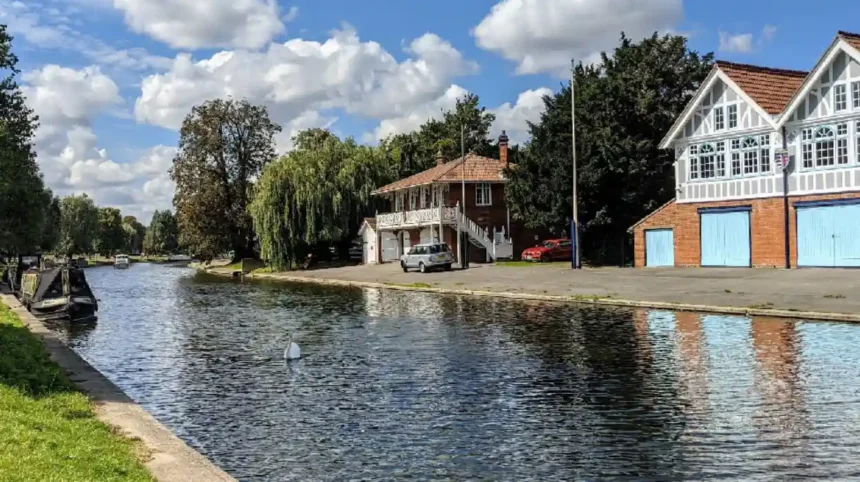
The River Cam runs alongside the common, supporting rowing, punting, canoeing, kayaking, and recreational boating throughout much of the year. Footpaths follow the riverbank, allowing visitors to explore different parts of Cambridge without relying on road transport.
The nearby Chesterton neighbourhood adds residential character to the surrounding area. Its historic streets, schools, community facilities, and local businesses contribute to the everyday use of the common by local residents.
Cycling remains particularly popular because Cambridge maintains an extensive cycle network linking the common with colleges, employment centres, railway stations, and surrounding residential districts.
What events take place on Chesterton Cambridge Midsummer Common?
Chesterton Cambridge Midsummer Common hosts annual fairs, community celebrations, outdoor festivals, charity events, sports activities, and seasonal gatherings. These events attract thousands of visitors while supporting Cambridge’s cultural traditions and strengthening community engagement across the city.
The Midsummer Fair remains the common’s most famous annual event. Modern attractions include traditional fairground rides, food stalls, games, entertainment, and family activities while continuing a tradition that stretches back more than eight centuries.
Community events also include charity walks, running events, outdoor fitness sessions, cultural festivals, and educational activities organised by local groups. These events encourage public participation while making full use of the large open landscape.
Throughout warmer months, the common becomes an informal venue for picnics, university gatherings, photography sessions, and outdoor recreation. Residents regularly enjoy riverside relaxation without organised activities because of the area’s spacious layout.
Large public spaces such as Midsummer Common remain valuable because they can safely accommodate significant visitor numbers during festivals while continuing to serve local residents throughout the year.
What wildlife and natural features can visitors see on Chesterton Cambridge Midsummer Common?
Chesterton Cambridge Midsummer Common supports diverse wildlife, mature grassland, riverside habitats, native trees, and seasonal grazing cattle. These natural features improve biodiversity, create attractive landscapes, and provide valuable habitats for birds, insects, mammals, and aquatic species within Cambridge.
The common contains wide open grassland that changes throughout the seasons. Native grasses and wildflowers support pollinating insects such as bees, butterflies, and hoverflies. These insects play an important role in maintaining healthy ecosystems and contribute to local biodiversity across Cambridge.
The River Cam creates an additional habitat for aquatic life and water birds. Visitors regularly observe swans, ducks, moorhens, coots, gulls, herons, and kingfishers along the riverbanks. Fish including roach, perch, and pike also inhabit sections of the river, supporting a balanced freshwater ecosystem.
One of the most distinctive features of Midsummer Common is the seasonal grazing of cattle. This long-standing practice helps manage vegetation naturally by preventing excessive grass growth while preserving the historic character of the common. Controlled grazing also benefits wildflowers by maintaining a varied grassland structure.
The combination of riverside scenery, mature trees, open fields, and wildlife makes the common one of Cambridge’s most valuable urban green spaces. Throughout the year, photographers, birdwatchers, walkers, and families enjoy its peaceful environment without leaving the city.
What activities can visitors enjoy on Chesterton Cambridge Midsummer Common?
Chesterton Cambridge Midsummer Common offers walking, cycling, running, boating, photography, wildlife watching, picnics, and community events. Its central location and open landscape make it one of Cambridge’s most accessible outdoor destinations for residents and visitors throughout the year.
Walking remains the most popular activity because the common connects several riverside paths and nearby attractions. Visitors can enjoy short strolls or combine the area with longer walks through Jesus Green, Stourbridge Common, and central Cambridge while experiencing changing seasonal landscapes.

Cyclists frequently use the common as part of Cambridge’s extensive cycling network. Dedicated paths provide convenient access between residential neighbourhoods, educational institutions, and the city centre. The relatively flat terrain also makes cycling suitable for families and recreational riders.
The River Cam attracts people interested in punting, rowing, canoeing, and kayaking. These activities provide a different perspective of the surrounding landscape while contributing to Cambridge’s internationally recognised boating culture. During warmer months, the river becomes one of the busiest recreational waterways in the region.
Open grassland offers plenty of space for informal recreation including frisbee, football, yoga, fitness sessions, reading, and family picnics. Visitors also appreciate the peaceful riverside atmosphere for relaxation and photography, particularly during sunrise and sunset.
How does Chesterton Cambridge Midsummer Common contribute to Cambridge today?
Chesterton Cambridge Midsummer Common contributes to Cambridge by protecting historic green space, supporting biodiversity, hosting cultural events, encouraging healthy recreation, improving environmental quality, and preserving centuries of public access for future generations.
Rapid urban growth increases the importance of accessible public open spaces. Midsummer Common provides an environmental balance by reducing the visual impact of surrounding development while offering opportunities for outdoor exercise and community interaction. Public green spaces also improve air quality and help reduce urban heat.
The common continues to support Cambridge’s tourism economy. Visitors exploring the River Cam, nearby colleges, and historic neighbourhoods often include the common within their walking routes. Annual events also generate economic activity for local businesses including restaurants, cafés, shops, and accommodation providers.
Educational institutions benefit from the common because it serves as an outdoor learning environment. Schools and universities use the area for environmental studies, geography, ecology, history, and recreational activities. Students also enjoy the common as a place for relaxation and social gatherings.
Local authorities continue managing the common through conservation programmes, maintenance work, and event planning. These efforts protect the landscape while ensuring that future generations can continue enjoying one of Cambridge’s most significant public commons.
Chesterton Cambridge Midsummer Common represents far more than a simple public park. It is a historic common that reflects centuries of Cambridge’s agricultural traditions, commercial history, environmental conservation, and community life. Its riverside setting, historic grazing rights, diverse wildlife, and famous annual Midsummer Fair make it one of the city’s most recognisable landmarks.
Today, the common continues to provide an essential balance between urban development and natural open space. Residents benefit from year-round recreational opportunities, while visitors experience an authentic part of Cambridge’s historic landscape. As the city continues to grow, Midsummer Common remains an enduring symbol of Cambridge’s commitment to preserving its heritage, protecting biodiversity, and maintaining accessible green spaces for everyone.
Frequently Asked Questions
Why is Midsummer Common famous in Cambridge?
Midsummer Common is famous for its historic Midsummer Fair, which dates back to the thirteenth century. It is also known for its riverside location, seasonal grazing cattle, scenic walking routes, and role as one of Cambridge’s largest public green spaces.
Is Midsummer Common the same as Jesus Green?
No. Midsummer Common and Jesus Green are separate public commons located next to each other along the River Cam. Although connected by walking paths, each has its own history, landscape, and recreational areas.
Can you walk from Chesterton to Midsummer Common?
Yes. Chesterton is directly connected to Midsummer Common through riverside paths, pedestrian routes, and cycling links. The journey is short and provides attractive views of the River Cam and surrounding green spaces.
Are events held on Midsummer Common every year?
Yes. The historic Midsummer Fair takes place annually, alongside community festivals, charity events, sporting activities, and seasonal gatherings that attract both local residents and visitors to Cambridge.
Is Chesterton Cambridge Midsummer Common worth visiting?
Yes. The common offers historic significance, beautiful riverside scenery, wildlife, walking and cycling routes, public events, and peaceful open spaces, making it one of the best outdoor destinations in Cambridge.