

Cambridge railway station serves as the central entry gateway to Silicon Fen, which is the primary technology and biotechnology cluster in the United Kingdom. The surrounding CB1 district represents a multi-million pound urban regeneration project designed specifically to support multinational corporations and traveling professionals. This commercial zone integrates high-density office complexes with premium corporate accommodations to eliminate transit friction for regional visitors.
- How Can Corporate Executives Optimize a Two-Hour Layover Near Cambridge Railway Station?
- What Dining Options Near Cambridge Station Support Professional Networking and Solo Business Travelers?
- Where Can Business Travelers Find Productive Remote Workspaces Near the Station Plaza?
- What Cultural Activities Are Accessible Within a Ten-Minute Walk of the Rail Terminal?
- How Does the Local Transport Infrastructure Connect the Station Area to the Wider Innovation Districts?
- What Premium Corporate Accommodations Provide Executive Amenities Near the Station Platforms?
- FAQs About Cambridge Station
- What is the fastest transit option from London to the Cambridge station area?
- Are there luggage storage facilities available at Cambridge railway station?
- Can business travelers park vehicles long-term at the station terminal?
- How far is the historic University of Cambridge campus from the rail station?
- What digital payment networks are accepted around Station Square?
The historical evolution of the station area dates back to its opening in 1845, when it primarily handled agricultural trade and university travel. The modern infrastructure transformation began in 2008, repositioning the station square as a central node for international businesses. Major global enterprises maintain major research hubs within a 500-meter radius of the main terminal building.
Statistical data from rail industry reports shows that Cambridge railway station handles over 11 million passengers annually. The concentration of commercial properties surrounding the transport hub creates a high-density corporate environment where business travelers can conduct meetings without entering the historic city center. This layout optimizes productivity during short-duration corporate visits.
The strategic layout of the district maximizes temporal efficiency for visiting executives. Proximity to transit networks allows business professionals to arrive from major international hubs and immediately access workspace facilities. The regional economic infrastructure depends heavily on this seamless connection between transport links and corporate environments.
How Can Corporate Executives Optimize a Two-Hour Layover Near Cambridge Railway Station?
The Cambridge University Botanic Garden sits 400 meters west of the station plaza and offers 40 acres of curated landscapes for mental decompression between corporate meetings. Business travelers can access the plant collections within a five-minute walk from the main terminal.
The garden opened at this site in 1846 under the direction of Professor John Stevens Henslow. The site contains more than 8,000 plant species housed across systematic beds and glasshouse structures. Traveling executives use the pathways for low-impact exercise and quiet contemplation away from corporate environments. The garden requires an admission fee and operates daily from 10:00 AM.
Data collected by environmental scientists indicates that brief interactions with managed green spaces reduce stress markers in corporate workers. The continuous walking paths allow travelers to maintain activity levels during passive transit periods. This destination provides an immediate alternative to waiting inside transit terminals.
The proximity of this green space guarantees that visitors can return to the train platforms within ten minutes of exiting the ticket gates. This accessibility minimizes the risk of missed transit connections while allowing travelers to experience local natural assets. The site remains an essential component of the local urban layout.
What Dining Options Near Cambridge Station Support Professional Networking and Solo Business Travelers?
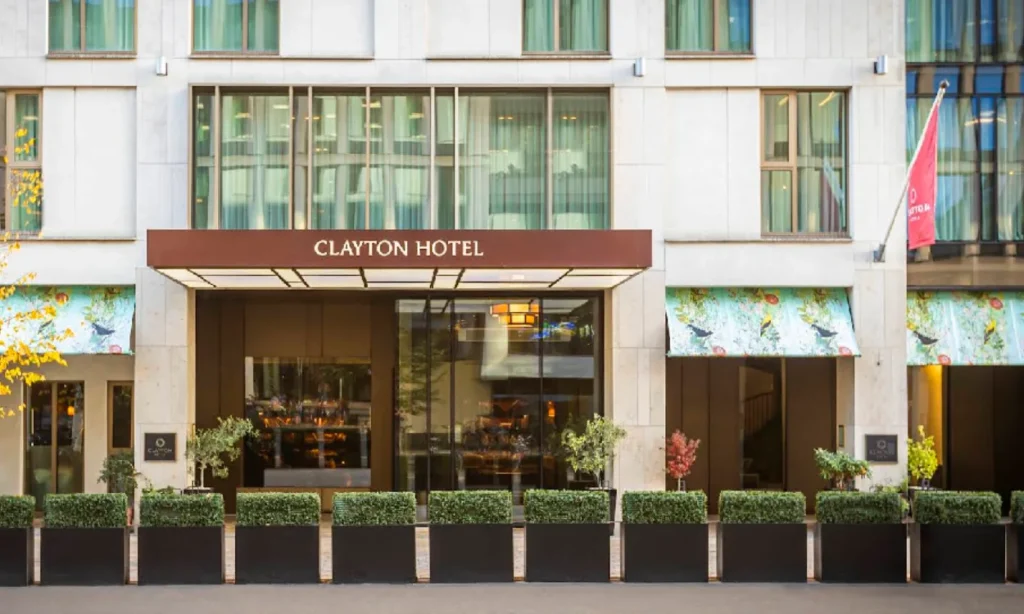
Station Square hosts premium dining options like the Clayton Hotel Restaurant and local artisanal providers like Chill#2, which offer structured spaces for corporate meals and quiet workspaces. These establishments provide high-speed wireless internet access alongside locally sourced menus.
The culinary infrastructure around the station evolved to serve the rapid growth of the CB1 commercial district since 2010. Establishments prioritize rapid service delivery to match the tight schedules of regional commuters and international corporate visitors. Menus emphasize contemporary British cuisine alongside international options.
Hospitality metrics indicate that over 60 percent of daytime patrons in Station Square establishments utilize the facilities for commercial networking or remote office work. The architectural design of these venues incorporates acoustic dampening to facilitate private corporate conversations. Power outlets are standard across seating areas.
Solo travelers can utilize the counter-service options to minimize dining times during tight schedules. The integration of digital ordering systems across the square accelerates transaction processing speeds. These efficiencies permit professionals to balance nutritional needs with strict corporate timelines.
Where Can Business Travelers Find Productive Remote Workspaces Near the Station Plaza?
The CB1 district offers flexible workspaces including the Regus Express lounge inside the station area and spaces within the ibis Cambridge Central Station lobby. These environments provide business travelers with charging infrastructure, printing services, and private meeting booths.
The development of dedicated remote working facilities accelerated alongside the growth of the technology sector in Cambridge during the early 2000s. Modern facilities cater specifically to professionals who require secure network access outside of traditional corporate offices. The spaces operate on demand without requiring long-term commercial lease agreements.
Surveys of corporate travelers reveal that access to reliable digital infrastructure represents the highest priority during off-site transits. The workspaces near the station maintain business-grade internet speeds exceeding 100 Mbps. These technical specifications support uninterrupted video conferencing and secure data transfers.
The physical arrangement of these workspaces allows for rapid transitions from the train platforms. Travelers can secure a workspace within three minutes of arriving on a train platform. This setup maximizes billable hours during regional business trips.
What Cultural Activities Are Accessible Within a Ten-Minute Walk of the Rail Terminal?
The Cambridge Junction sits 800 meters south of the railway station and serves as a primary cultural hub offering contemporary theater, independent music, and visual arts exhibitions. This venue provides evening entertainment directly adjacent to the primary corporate lodging infrastructure.
Established in 1990 within a repurposed industrial warehouse, the Cambridge Junction has expanded to include three distinct performance spaces. The venue supports local creative industries while hosting international touring productions throughout the calendar year. It operates as an independent arts charity supported by local governance.
Audience data shows that the venue attracts over 100,000 visitors annually to its diverse performance programs. The scheduling of events aligns with evening leisure hours, making it accessible for corporate travelers finishing daytime business meetings. The location sits within the leisure zone of the CB1 master plan.
Visiting professionals can access the site via dedicated pedestrian pathways leading from the station south platforms. The proximity eliminates the need for taxi services or complex public transit navigation. This cultural asset provides immediate exposure to the contemporary arts scene of the city.
How Does the Local Transport Infrastructure Connect the Station Area to the Wider Innovation Districts?
The Guided Busway and dedicated cycling corridors connect Cambridge station directly to the Cambridge Biomedical Campus and the Cambridge Science Park within fifteen minutes. These transport systems run on isolated infrastructure to ensure reliable travel times across the metropolitan area.
The Cambridgeshire Guided Busway opened in 2011 as the longest guided busway system in the world to resolve transit congestion between key economic zones. The engineering utilizes pre-cast concrete tracks that guide specialized buses at optimized speeds. The network intersects directly with the northern entrance of the railway station.
Traffic data confirms that the guided busway system achieves a 98 percent on-time reliability rate compared to standard road transits. Corporate commuters utilize this system to transfer between distinct company campuses without experiencing variable traffic delays. The buses feature wireless internet access to support continuous productivity.
The integration of bike sharing infrastructure at the station cycle park provides an alternative option for regional transit. The facility holds up to 3,000 bicycles, making it the largest facility of its type in the United Kingdom. This infrastructure encourages sustainable, predictable transit options for corporate visitors.
What Premium Corporate Accommodations Provide Executive Amenities Near the Station Platforms?
The Clayton Hotel Cambridge and the ibis Cambridge Central Station offer high-density lodging solutions located within 100 meters of the station ticket gates. These properties provide executive club lounges, dedicated conference facilities, and express check-out systems for corporate guests.
The development of high-density hospitality assets in the CB1 zone began in 2016 to address a shortage of premium corporate rooms near transport hubs. The architectural designs prioritize sound isolation technologies to prevent railway noise from disrupting resident guests. Accommodations feature ergonomic workstations within individual guest suites.
Occupancy data indicates that corporate travelers account for over 70 percent of mid-week room bookings at these station-side properties. The hospitality models focus on minimizing check-in processing times through digital room keys and automated billing services. This operational framework supports tight business schedules.
The hotels provide direct access to meeting room rentals that can accommodate groups ranging from four to one hundred delegates. This logistical capability allows enterprises to host regional summits immediately upon participant arrival via rail networks. The proximity to transit eliminates corporate travel management complications.
Read more about the Cambridge area town famed for royals racing and 800 year heritage Cambridge.
FAQs About Cambridge Station
What is the fastest transit option from London to the Cambridge station area?
The fastest transit option is the non-stop rail service departing from London King’s Cross station, which arrives at Cambridge railway station in 48 minutes. These services run regularly throughout the day and terminate directly within the CB1 corporate district.
Are there luggage storage facilities available at Cambridge railway station?
Luggage storage facilities are available through private partner providers located within a two-minute walk of the station square, including options at the ibis hotel lobby. These secure storage options allow business travelers to explore the district unencumbered by baggage during short layovers.
Can business travelers park vehicles long-term at the station terminal?
Long-term parking is accessible via the multi-story car park located immediately adjacent to the station building, which operates 24 hours a day. The facility provides dedicated spaces for electric vehicle charging and uses automatic number plate recognition systems for payment processing.
How far is the historic University of Cambridge campus from the rail station?
The historic core of the University of Cambridge campus sits approximately 1.5 kilometers northwest of the railway station terminal. Business professionals can reach the historic colleges within a 20-minute walk or a seven-minute taxi ride along the dedicated transit corridors.
What digital payment networks are accepted around Station Square?
All commercial establishments within the Station Square and broader CB1 district operate on digital payment networks, including major credit cards, debit cards, and mobile payment applications. Physical currency is rarely required as the area has moved toward a predominantly cashless transaction model.