

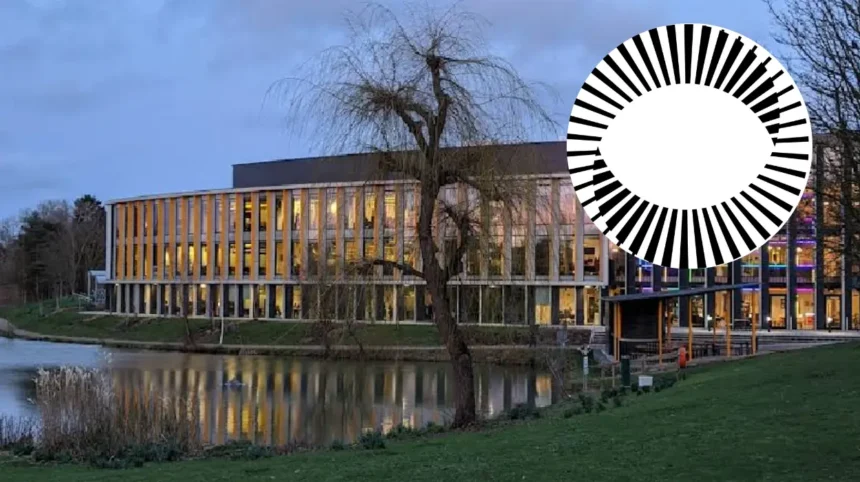
Key Points
- Cambridge Science Park has launched a £3bn expansion master plan aimed at tripling its size over the next 30 years.
- The park is described as the UK’s largest and oldest science park and is positioned as a hub for scientific and tech innovation.
- The expansion is intended to increase capacity for research-focused growth rather than short-term development.
- The plan was reported by the Financial Times on May 17,2026.
Cambridge (Cambridge Tribune)May 18, 2026— Cambridge Science Park launched a £3bn expansion plan on 17 May 2026, with the Financial Times reporting that the site’s “master plan” aims to triple its capacity over the next three decades.
The development matters because Cambridge Science Park is already a major centre for scientific and technology activity, and the scale of the proposal suggests a long-term push to support more research-led businesses, laboratories and innovation space.
What has been announced?
Cambridge Science Park’s expansion plan is centred on a “master plan” that would significantly enlarge the site over a 30-year period. The Financial Times reported that the project carries a £3bn price tag and is designed to triple the park’s capacity.
That makes the proposal one of the larger long-range property and innovation developments linked to the UK’s research economy.
The announcement places emphasis on growth in scientific and tech uses rather than conventional commercial expansion.
Why does it matter?
Cambridge Science Park is widely regarded as an important base for research-oriented firms, so any increase in space can affect how many companies, teams and projects can be accommodated there.
A bigger site could also strengthen Cambridge’s position as a destination for innovation, investment and specialist employment.
For the wider research sector, the plan signals continued confidence in the long-term demand for lab and science infrastructure.
It also reflects a broader trend in which major innovation hubs are planning for decades rather than years.
How was the story reported?
As reported by the Financial Times in its 17 May 2026 coverage, the park has unveiled a master plan to triple in size and support scientific and tech innovation.
The available report does not provide a wider range of quoted stakeholders in the source material supplied here, so the account remains limited to the core facts published by the newspaper.
For accurate attribution, the key published framing belongs to the Financial Times report on the expansion plan.
Background of the development
Cambridge Science Park has long been recognised as the largest and oldest science park in the UK, which helps explain why its expansion is being followed closely.
Its role in the research economy has made it an established location for firms working in science, technology and innovation.
Large-scale master planning of this kind is usually linked to the need for more specialist buildings, better infrastructure and room for future growth.
In that sense, the new proposal fits the park’s existing identity as a long-term knowledge and research hub.
Prediction for audience
For businesses in science, technology and related supply chains, the plan could mean more opportunities to locate near Cambridge’s innovation cluster over time.
For researchers and skilled workers, it may eventually translate into more jobs, more collaboration space and greater access to specialist facilities.
For the local property and infrastructure market, a project of this scale could influence demand over many years rather than immediately.
Because the plan extends over three decades, its effects will likely emerge gradually as phases are delivered.