
As councils continue the phased rollout of the new recycling service, weekly food waste collections are expanding to thousands more households across Cambridge and South Cambridgeshire.
Thousands of Homes Added to New Scheme
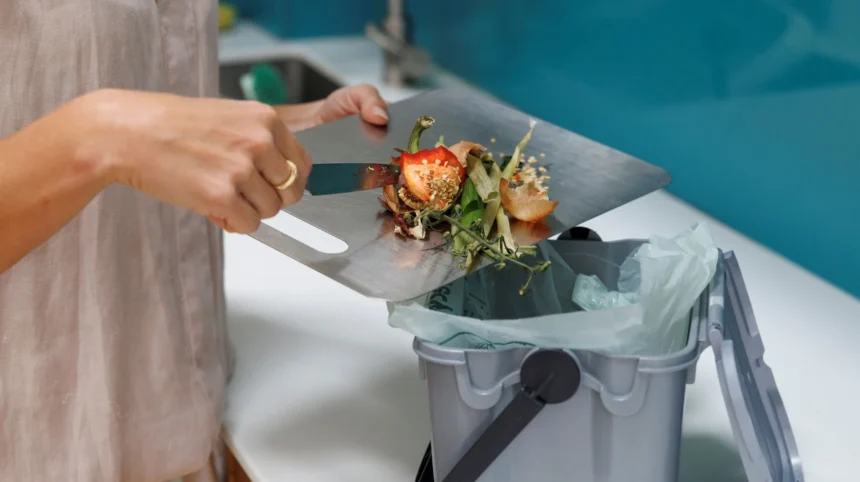
More than 48,000 homes, including flats, are to receive weekly food waste collections – while some have started to – with over 400 tonnes of waste already collected since the scheme began in January. As part of the rollout, collection crews have been delivering silver-proof food waste caddies to residents starting January. This allows seamless execution before routes begin operating in each area.
Government’s ‘Simpler Recycling’ Rules Behind Expansion
The expansion comes as local authorities prepare for the Government’s Simpler Recycling legislation unifies and standardises recycling rules across England which requires households and workplaces to separate specific core waste streams for collection, putting an end to postcode-lottery recycling – meaning all councils will require to provide separate weekly food waste collections.
Greater Cambridge Shared Waste Service (GCSWS) – a collaborative partnership between Cambridge City Council and South Cambridgeshire District Council, says, “the new service is being introduced in ‘waves’” to allow time for new collection vehicles (lorries) and staffing to be in place.
Environmental Impact of Food Waste
Council’s figures show that before the service was introduced, around 88% of food waste from households across Greater Cambridge was being thrown into general waste black bins and sent to landfill. Head of Climate, Environment & Waste, Bode Esan, said the methane emissions produced during decomposition had major environmental impact contributing to climate change.
“Just by using your caddy you prevent that pollution,”
said Esan.
The collected food waste is transported to Anaerobic Digestion plants – a facility that uses micro-organisms to break down organic materials, where it is broken down to produce biogas for electricity generation. The remaining material is then converted into fertiliser for agricultural use. Officials say early participation rates have been encouraging, with most households already using the new service.
“Recycling food waste in your caddy makes a big difference, because it can be put to good use generating clean electricity and fertiliser,”
Esan added.
“No amount is too small – even one banana skin could charge two smartphones.”
New Jobs Created Through Scheme Expansion
Furthermore, Esan also highlighted how the project has led to a significant recruitment drive. He said 70 new team members were recruited to carry out the new weekly food waste collections and made in-charge of delivering the caddies to households which is “a great way for new staff to get to know the area” before their rounds begin.
Further information about the scheme can be found via Greater Cambridge Shared Waste Service food waste page.