

Key Points
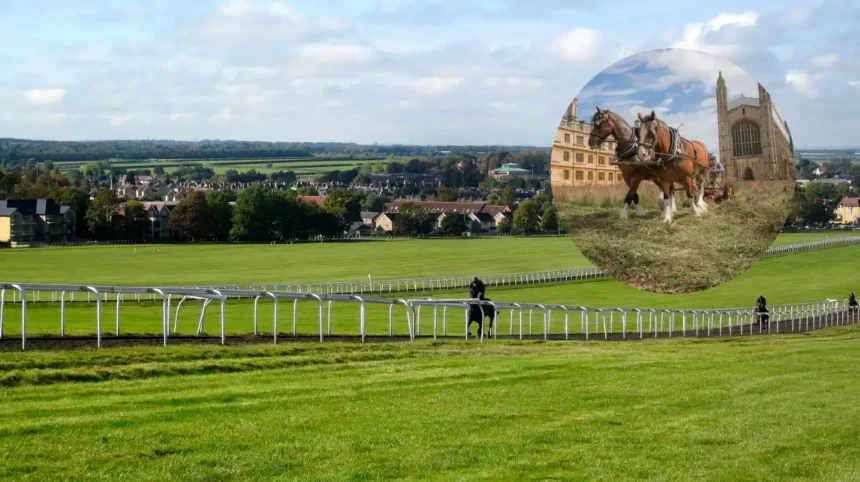
- The story focuses on Newmarket, a historic market town on the Suffolk-Cambridgeshire border, which is closely associated with British horse racing and royal interest.
- More than 3,000 horses are stabled in the town, making it one of the most horse-dense places in the country.
- Newmarket’s racing history dates back to the time of James I, with the racecourse founded in 1636.
- Charles II became the only reigning monarch to ride a winner in 1671, underlining the town’s long royal connection.
- The town is described as home to 50 studs, two racecourses, The Jockey Club and Tattersalls, Europe’s largest equine auction house.
- The nearby heritage interest also reflects the wider Cambridge area’s long historical appeal to visitors and royals.
Cambridge(Cambridge Tribune)May 02, 2026-Newmarket is widely known as the spiritual home of British Flat racing, and its royal links stretch back centuries. The town’s association with monarchs was strengthened during the reign of James I and later when Charles II became the only reigning monarch to ride a winner there in 1671.
How big is the horse industry there?
The town is home to more than 3,000 thoroughbred horses, alongside 50 studs and two racecourses. That concentration of horses is a defining part of the town’s identity and economy, with around 70 trainers operating there, according to Great British Racing.
Why is the market town so historic?
Newmarket’s racing heritage is part of a much longer local story shaped by monarchy, sporting tradition and equine trade. The racecourse was founded in 1636, and the town has remained central to British racing ever since, with Tattersalls and The Jockey Club reinforcing its national importance.
How does this fit the Cambridge area?
The article sits within a wider East of England heritage landscape that includes historic towns and royal connections across the region. The Cambridge area continues to attract interest because of its mix of history, culture, and long-established institutions, which helps explain why stories about nearby places often gain wide attention.
Background of the development
Newmarket’s profile comes from centuries of horse racing history rather than a single recent event. The town’s modern identity grew from royal patronage, the development of race meetings, and the growth of breeding and auction businesses that turned it into a global centre of racing. That background is why local features such as studs, racecourses and equine auctions remain newsworthy today.
Prediction
For racing fans, tourists and local businesses, the town’s royal image is likely to keep driving interest, footfall and media coverage. For the wider Cambridge audience, stories like this can boost regional pride and support tourism by linking a familiar county name with heritage, sport and royal tradition.