

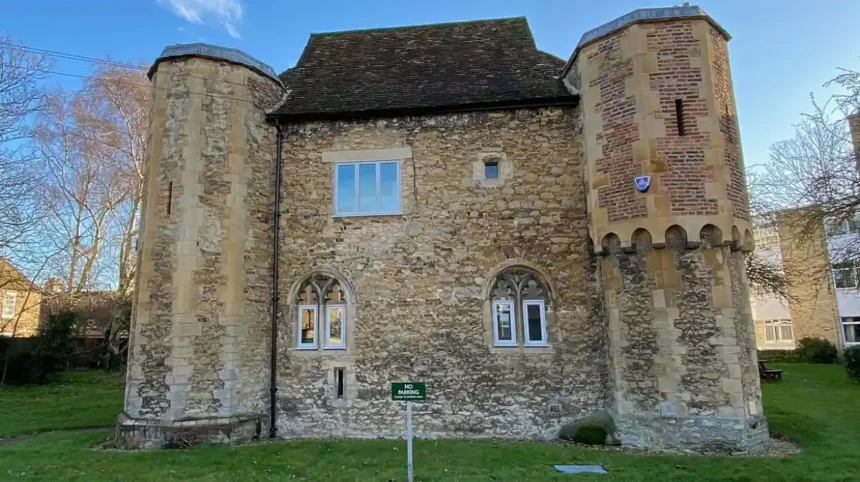
Heavy congestion in East Chesterton Cambridge results from high vehicle density, limited road capacity, peak-hour commuting patterns, and infrastructure constraints. Residential growth, nearby employment hubs, and inadequate alternative transport routes intensify traffic pressure across key corridors and junctions daily.
- Which roads in East Chesterton Cambridge are most affected by congestion?
- How has population growth impacted traffic congestion in East Chesterton Cambridge?
- What role does public transport play in East Chesterton congestion?
- How do road design and infrastructure contribute to congestion?
- What are the economic impacts of congestion in East Chesterton Cambridge?
- What environmental effects result from heavy congestion in East Chesterton Cambridge?
- What measures are being taken to reduce congestion in East Chesterton Cambridge?
- How effective are cycling and walking initiatives in reducing congestion?
- What future developments could impact congestion in East Chesterton Cambridge?
East Chesterton is a residential and mixed-use area located in the northeastern part of Cambridge, England. It connects to central Cambridge through major routes such as Chesterton Road and Milton Road. These roads carry high volumes of daily traffic, especially during commuting hours between 7:30–9:30 AM and 4:30–6:30 PM. Traffic counts from local council data indicate that Milton Road alone handles over 20,000 vehicles per day.
Population growth in Cambridge has accelerated due to expansion in technology and education sectors. The increase in housing developments in East Chesterton has not been matched with proportional road expansion. Narrow road layouts, limited lane capacity, and constrained junction designs restrict smooth traffic flow. As a result, congestion becomes persistent rather than temporary.
Public transport dependency remains moderate, with many residents relying on private vehicles. Cycling infrastructure exists but is unevenly distributed. This imbalance contributes to a higher number of cars on the road, increasing congestion intensity across the area.
Which roads in East Chesterton Cambridge are most affected by congestion?
The most congested roads in East Chesterton Cambridge include Milton Road, Chesterton Road, Elizabeth Way, and Green End Road. These routes serve as primary commuter corridors and experience consistent traffic bottlenecks due to high usage and limited capacity infrastructure.
Milton Road functions as a key arterial route linking Cambridge city center with northern suburbs and surrounding villages. It supports both local and through traffic, including commuters traveling to science parks and business zones. Peak-hour delays frequently exceed 10–15 minutes over short distances of 2–3 kilometers.
Chesterton Road connects East Chesterton with central Cambridge and carries heavy traffic due to its proximity to retail, residential, and educational facilities. The Elizabeth Way roundabout, a major junction connecting multiple routes, acts as a congestion hotspot. High traffic volume combined with signalized intersections slows vehicle movement significantly.
Green End Road experiences congestion due to local residential traffic and its connection to industrial and commercial zones. Narrow carriageways and on-street parking further reduce effective road width, creating bottlenecks. These combined factors make these roads critical congestion points in the area.
How has population growth impacted traffic congestion in East Chesterton Cambridge?
Population growth in East Chesterton Cambridge has increased vehicle ownership and commuting demand, leading to higher traffic volumes. New housing developments and economic expansion have intensified pressure on existing road infrastructure, which has not expanded at a matching pace.
Cambridge has experienced steady population growth, rising from approximately 123,000 residents in 2011 to over 145,000 by 2021 according to UK census data. East Chesterton has absorbed a significant portion of this growth through residential developments and housing projects. Increased population directly correlates with higher car ownership levels.
Employment opportunities in technology parks and research institutions attract commuters from surrounding regions. Many individuals travel daily into Cambridge, adding to traffic density on key routes in East Chesterton. The absence of sufficient park-and-ride usage further increases reliance on private vehicles.
Urban planning policies have focused on housing expansion but road infrastructure upgrades have lagged behind. This imbalance creates structural congestion issues. The result is sustained traffic buildup rather than isolated peak-time delays.
What role does public transport play in East Chesterton congestion?
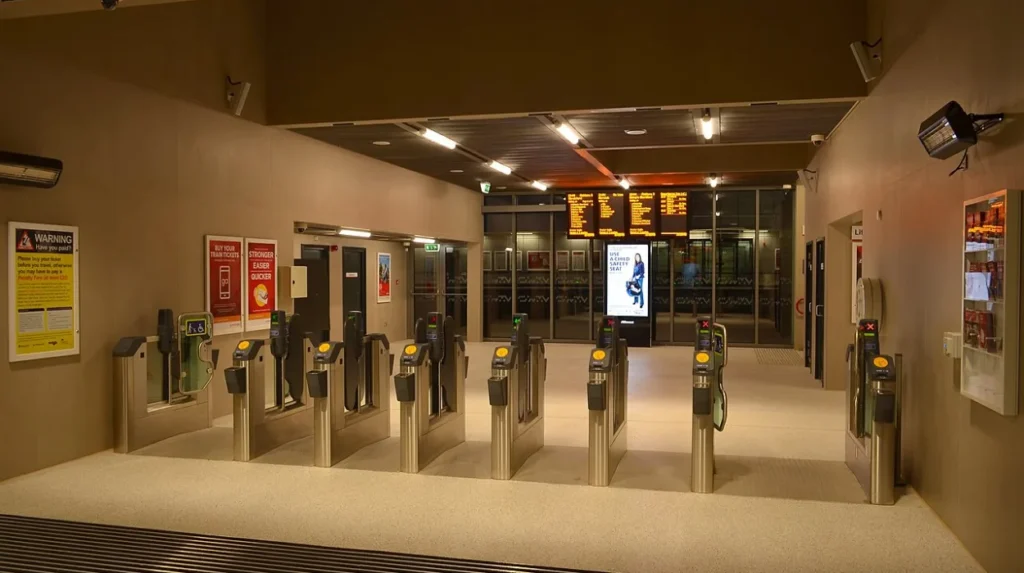
Public transport in East Chesterton Cambridge plays a limited role in reducing congestion due to capacity constraints, service frequency issues, and coverage gaps. Many commuters continue to rely on private vehicles, increasing overall traffic volumes on already congested roads.
Bus services operate across East Chesterton, connecting the area to Cambridge city center and surrounding districts. However, delays caused by road congestion reduce reliability and discourage usage. Average bus speeds during peak hours drop significantly, making travel times unpredictable.
Rail connectivity exists through Cambridge North Station, located near East Chesterton. While it supports regional travel, it does not fully address local commuting needs within the city. Limited integration between bus and rail services reduces efficiency.
Cycling is a prominent mode of transport in Cambridge, with approximately 29% of residents commuting by bicycle according to local transport data. However, incomplete cycling infrastructure in East Chesterton limits its effectiveness as a congestion solution. Improved connectivity could reduce vehicle dependence significantly.
How do road design and infrastructure contribute to congestion?
Road design and infrastructure limitations in East Chesterton Cambridge contribute to congestion through narrow lanes, insufficient junction capacity, and lack of dedicated traffic management systems. These structural constraints prevent efficient vehicle flow and increase delays during peak periods.
Many roads in East Chesterton were designed decades ago when traffic volumes were significantly lower. Current usage exceeds original design capacity. Narrow lanes restrict overtaking and reduce traffic throughput, especially when larger vehicles such as buses and delivery trucks are present.
Junctions such as Elizabeth Way roundabout and Milton Road intersections experience high traffic density. Signal timing inefficiencies and lack of adaptive traffic control systems lead to longer waiting times. Queue lengths often extend several hundred meters during peak hours.
Parking along residential streets reduces effective road width. This forces vehicles to slow down or stop, creating ripple effects in traffic flow. Infrastructure upgrades, such as widening roads or introducing smart traffic systems, remain limited, contributing to persistent congestion issues.
What are the economic impacts of congestion in East Chesterton Cambridge?
Traffic congestion in East Chesterton Cambridge impacts the economy by increasing travel time, reducing productivity, and raising transportation costs. Delays affect businesses, employees, and logistics operations, leading to measurable financial losses across the local economy.
Commuters experience longer travel times, often adding 15–30 minutes to daily journeys. This reduces overall productivity and increases stress levels. Businesses face challenges in maintaining punctual operations, particularly those dependent on deliveries and customer accessibility.
Fuel consumption increases during stop-and-go traffic conditions. This raises operational costs for both individuals and commercial vehicles. According to UK Department for Transport estimates, congestion costs the national economy billions annually, with urban areas like Cambridge contributing significantly.
Retail and service sectors in East Chesterton are affected by reduced accessibility. Customers may avoid congested areas, leading to lower footfall and revenue. Efficient transportation is critical for economic sustainability, making congestion a major concern.
What environmental effects result from heavy congestion in East Chesterton Cambridge?
Heavy congestion in East Chesterton Cambridge increases air pollution, carbon emissions, and noise levels. Slow-moving traffic produces higher emissions per vehicle, negatively impacting local air quality and contributing to broader environmental and public health concerns.
Vehicles emit pollutants such as nitrogen dioxide and particulate matter. These pollutants increase during idling and low-speed driving conditions common in congested areas. Air quality monitoring in Cambridge indicates elevated pollution levels near major roads like Milton Road.
Carbon dioxide emissions contribute to climate change. Urban congestion significantly raises per-vehicle emission rates compared to free-flowing traffic conditions. This undermines sustainability goals set by local authorities.
Noise pollution from constant traffic affects residential areas. Prolonged exposure impacts mental and physical health. Environmental degradation linked to congestion highlights the need for integrated transport and urban planning solutions.
What measures are being taken to reduce congestion in East Chesterton Cambridge?
Authorities are implementing measures such as road redesign, improved cycling infrastructure, public transport enhancements, and traffic management systems to reduce congestion in East Chesterton Cambridge. These initiatives aim to balance transport demand and improve overall traffic efficiency.
Cambridge City Council and Cambridgeshire County Council have introduced plans to upgrade Milton Road. These include dedicated bus lanes, improved cycling paths, and pedestrian-friendly infrastructure. Such measures aim to reduce reliance on private vehicles.
Traffic signal optimization projects are being implemented to improve flow at key junctions. Adaptive systems adjust signal timings based on real-time traffic conditions. This reduces waiting times and improves efficiency.
Park-and-ride schemes provide alternatives to driving into central Cambridge. However, adoption rates vary. Encouraging greater usage through pricing and convenience improvements remains a focus area.
How effective are cycling and walking initiatives in reducing congestion?

Cycling and walking initiatives in East Chesterton Cambridge effectively reduce congestion by lowering vehicle usage, especially for short-distance travel. Improved infrastructure and safety measures encourage more residents to shift from cars to active transport modes.
Cambridge is one of the leading cycling cities in the United Kingdom. Dedicated cycle lanes and bike-sharing programs support this trend. East Chesterton has seen gradual improvements in cycling infrastructure, although gaps still exist.
Short trips under 5 kilometers are ideal for cycling and walking. Encouraging these modes reduces traffic volume significantly. Studies show that replacing car trips with cycling can reduce urban congestion by measurable margins.
Safety improvements, such as segregated cycle lanes and better crossings, increase adoption rates. Continued investment in active transport infrastructure is essential for long-term congestion reduction.
What future developments could impact congestion in East Chesterton Cambridge?
Future developments in East Chesterton Cambridge, including housing expansion, transport projects, and policy changes, will significantly impact congestion levels. Effective planning and infrastructure investment are essential to prevent worsening traffic conditions.
Planned residential developments will increase population density in East Chesterton. Without corresponding transport upgrades, congestion will intensify. Strategic planning must integrate housing and transport infrastructure.
Proposed congestion charging schemes in Cambridge aim to reduce vehicle usage. These policies encourage public transport and active travel. Implementation details and public acceptance will determine effectiveness.
Technological advancements, such as electric vehicles and smart traffic systems, will influence future traffic patterns. Integration of data-driven solutions can optimize traffic flow and reduce delays. Long-term success depends on coordinated urban planning and policy execution.
Has Cambridge got a congestion charge?
Cambridge does not currently have a congestion charge in operation. Local authorities have proposed a congestion charging scheme to reduce traffic, but it has not been implemented yet and remains under discussion.
Why are there so many potholes in Cambridge?
Potholes in Cambridge result from frequent traffic load, weather damage, and aging road surfaces. Increased vehicle usage and limited maintenance budgets contribute to slower repairs and worsening road conditions.
What are the disadvantages of living in Cambridge?
Living in Cambridge involves high housing costs, traffic congestion, and limited parking availability. Rapid population growth and infrastructure pressure also affect daily commuting and overall convenience.
Do I need to pay congestion charge in Cambridge?
You do not need to pay a congestion charge in Cambridge at present. However, future proposals may introduce charges for driving in certain areas to manage traffic congestion.
Where is Cambridge University located in city and state?
The University of Cambridge is located in the city of Cambridge, in Cambridgeshire county, England, United Kingdom. It is spread across multiple কলেজ and departments throughout the city rather than a single campus.