
Trumpington, a historic village on the southern edge of Cambridge, faces intense pressure from rapid housing development. This growth stems from Cambridge’s status as a global tech and education hub, driving demand for homes in surrounding areas. As one of the fastest-growing cities in Europe, Cambridge’s housing shortage has spotlighted Trumpington, where new estates and urban extensions are reshaping the landscape.
- Historical Roots of Trumpington’s Expansion
- Major Housing Projects Transforming the Area
- Drivers Behind the Housing Surge
- Infrastructure Strains and Community Impacts
- Planning Policies Shaping Future Growth
- Environmental and Green Space Challenges
- Economic Benefits Amid the Pressures
- Resident Perspectives and Ongoing Debates
- Looking Ahead: Sustainable Paths Forward
Historical Roots of Trumpington’s Expansion
Trumpington’s development story traces back to post-war planning efforts. In the mid-20th century, urban planner William Holford advocated containing Cambridge’s sprawl, but this approach proved unsustainable amid rising population pressures. By the late 20th century, policies shifted to accommodate growth, with Trumpington identified for major urban extensions south and east of the village, near Addenbrooke’s Hospital.
Government structure plans, like the Cambridge Southern Fringe Area Action Plan, allocated land here for mixed-use projects including thousands of homes. Regional guidance up to 2016 targeted accelerated development, recognizing the Cambridge sub-region as a key growth area. This laid the groundwork for Trumpington’s transformation from rural parish to suburban hub, balancing housing needs with the preservation of its medieval church and ancient meadows.
Over decades, incremental builds have added layers to this pressure. The Trumpington Residents’ Association has long voiced concerns over Green Belt erosion, arguing that corridors like the River Cam must remain intact. Yet, planning documents consistently prioritize housing delivery, reflecting national mandates to meet regional targets.
Major Housing Projects Transforming the Area
Trumpington Meadows stands as a flagship example of this expansion. This large-scale development on Cambridge’s southern fringe delivers hundreds of homes, from compact apartments to spacious five-bedroom houses. Designed with walkable streets and local materials, it nods to vernacular architecture while addressing the city’s acute shortage.
The project integrates community facilities, creating distinct character areas that culminate in a town-center style hub. Hauxton Road, at the southern edge, bears direct impact from adjacent greenfield sites earmarked for even larger schemes east and west. These plans promise associated infrastructure but strain existing roads and services.
Recent initiatives include council-led builds like the four new semi-detached homes on Paget Road’s former garage site. Approved in 2024, these three-bedroom properties enhance sustainable housing stock in Trumpington, targeting family needs in a city where modern homes are scarce. Such infill projects exemplify how even small brownfield sites contribute to the cumulative pressure.
Drivers Behind the Housing Surge
Cambridge’s tech and science boom fuels much of this demand. High-income professionals from the Cambridge Science Park and Biomedical Campus seek proximity to work, elevating Trumpington’s appeal. Developments here offer live-work balance, redefining once quieter zones into premium residential spots.
As of early 2026, new construction lags demand, with city completions falling short of targets. Land constraints within Cambridge boundaries push growth outward, complicating approvals for large sites. South Cambridgeshire absorbs some overflow, but Trumpington remains central due to its strategic location.
Institutional expansion at Addenbrooke’s and nearby universities amplifies needs. Planning visions forecast continued large-scale residential growth alongside employment and medical facilities. Prestigious addresses along Trumpington Road face unrelenting infill pressure, as desirability sustains high values.
Infrastructure Strains and Community Impacts
Rapid growth tests local infrastructure. Roads like Hauxton and Trumpington suffer congestion, while green corridors face fragmentation. The Trumpington Residents’ Association highlights threats to the River Cam pathway and Hobson’s Park, undermined by projects like the South East Transport initiative and Cambridge South station.
Public consultations reveal divides. While councils defend Green Belt protections around Trumpington Meadows and Glebe Farm, proposals to de-designate land south of the Biomedical Campus for campus growth sparked opposition. Residents prioritize investing in existing green spaces over further sprawl.
Housing affordability emerges as a key tension. Tech-driven price hikes outpace supply, pricing out families despite new units. Greater Cambridge Planning emphasizes sustainable, mixed-use designs, but delivery timelines lag, exacerbating waits on social housing lists.
This aerial view captures Trumpington Meadows’ expanding layout, where new homes blend with preserved open spaces, illustrating the delicate balance of growth and heritage.
Planning Policies Shaping Future Growth
The Greater Cambridge Local Plan guides this trajectory, mandating significant residential delivery in southern areas. Post-2016 regional strategies evolved into shared frameworks between Cambridge City and South Cambridgeshire District Councils, targeting urban extensions.
Sustainability objectives underpin approvals: mixed tenure, green infrastructure, and high-quality design. Yet, the 2024-2030 period eyes further acceleration, with Trumpington poised for proportional housing amid employment hubs. The 2013 consultations reinforced Green Belt sanctity but allowed targeted releases.
Academic and government sources stress integrated planning. Studies on Cambridge’s suburbs advocate context-sensitive development, preserving approaches like Trumpington Road’s leafy prestige. Official PDFs outline mixed-use potentials, from homes to education expansions, ensuring viability.
Environmental and Green Space Challenges
Trumpington’s meadows and riverbanks define its charm, yet development encroaches. Country parks like Trumpington Meadows offer public respite, but surrounding farmland risks conversion. Wildlife corridors from Great Shelford northward face play-area conversions and transport projects.
Planning docs call for green belts (lowercase) linking spaces citywide. The TRA urges safeguarding these against urban creep, particularly near Long Road. Balancing housing with biodiversity remains contentious, as greenfield losses mount.
Climate resilience factors in, with policies promoting low-carbon homes and flood mitigation along the Cam. New estates incorporate sustainable features, but scale amplifies cumulative environmental loads on water and air quality.
Economic Benefits Amid the Pressures
Growth brings prosperity. New homes support local jobs in construction and services, while proximity to Addenbrooke’s bolsters healthcare economies. Trumpington’s evolution attracts investment, enhancing Cambridge’s high-tech ecosystem.
Property values rise, benefiting longstanding owners but challenging newcomers. As 2026 analyses note, infrastructure investments accompany housing, from science park extensions to station links. This positions Trumpington as a growth node in Greater Cambridge.
Resident Perspectives and Ongoing Debates
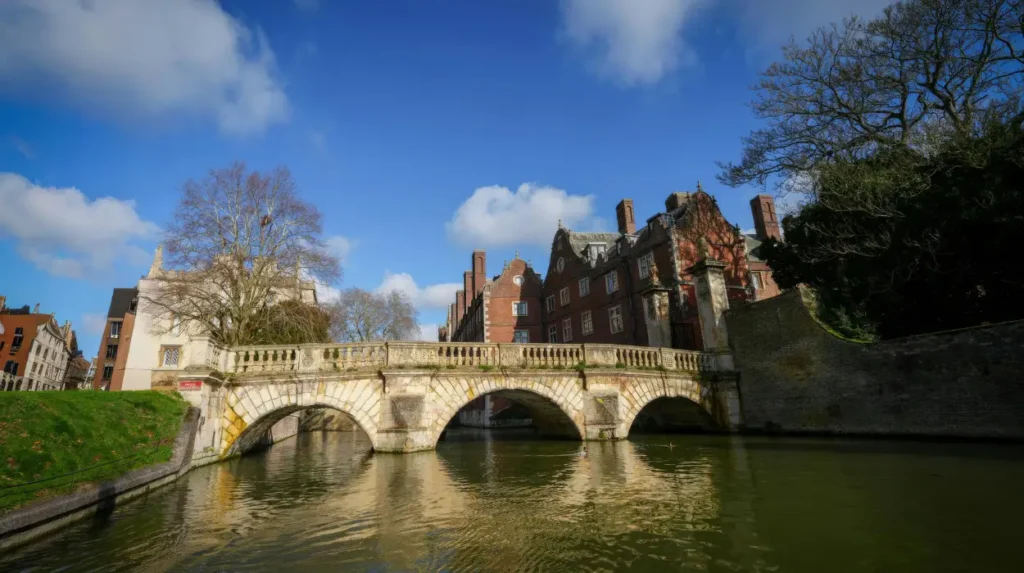
Voices from the Trumpington Residents’ Association underscore quality-of-life priorities. They advocate cohesive green networks over piecemeal builds, citing undermined corridors as cautionary tales. Consultations like those in Greater Cambridge Shared Planning capture these inputs, influencing plan iterations.
Councils respond with evidence-based defenses, rejecting expansive Green Belt releases while enabling strategic sites. The interplay of resident feedback and policy endures, shaping whether Trumpington sustains its village identity.
Looking Ahead: Sustainable Paths Forward
Future plans hinge on holistic delivery. The Greater Cambridge framework eyes 2030s horizons, integrating housing with rapid transit and campus expansions. Trumpington’s role persists, demanding innovative designs that honor history.
Stakeholders push for brownfield prioritization and infrastructure front-loading. As Cambridge’s housing crisis endures, Trumpington exemplifies the national challenge: scaling supply without sacrificing sense of place. Thoughtful evolution could model balanced growth for other pressure points.
This dynamic underscores Trumpington Cambridge’s housing development pressures—a microcosm of urban expansion in high-demand regions. With strategic planning, it holds potential to thrive sustainably for generations.
Is buying a house in Cambridge a good investment?
Buying a house in Cambridge remains a solid long-term investment due to consistent property value growth driven by tech jobs and university demand. Trumpington’s housing boom exemplifies this, with semi-detached homes averaging £634,000 amid chronic undersupply.
Which is the best area to live in Cambridge?
Newnham and Grantchester top lists for their peaceful, upscale vibe with green spaces and proximity to the city center. Trumpington offers strong value as a growing suburb near Addenbrooke’s, blending new homes with meadows despite development pressures.
What is the richest village in Cambridge?
Grantchester is widely regarded as the richest village near Cambridge, boasting high property values and historic charm. Areas like Great Shelford follow closely, with premiums exceeding city averages, while Trumpington sees rising affluence from its housing surge.
Which is richer, Cambridge or Oxford?
Cambridge edges Oxford in total alumni wealth, with its 361 richest graduates holding $93 billion collectively at higher averages. Self-made success defines both, but Cambridge’s tech ecosystem amplifies modern riches amid housing booms like Trumpington’s.
Who is the most famous person from Cambridge?
Isaac Newton, born nearby and tied to Cambridge University, stands as the most iconic figure from the area. His legacy endures in Trumpington’s academic shadow near Addenbrooke’s, fueling the growth pressuring local housing.