


Arbury Court in north Cambridge stands at the heart of a transformative redevelopment project. This initiative promises to revitalize a longstanding community hub facing decades of decline. Local residents and officials envision a modern, vibrant neighborhood rising from the site.
History of Arbury Court
Arbury Court emerged in the post-war era as a key shopping precinct serving Cambridge’s expanding northern suburbs. Built in the 1960s amid Britain’s wave of urban planning to accommodate growing populations, it featured low-rise council housing, small retail units, and communal spaces tailored for everyday needs. The design reflected modernist ideals, prioritizing functionality over aesthetics, with concrete structures housing butchers, greengrocers, and a library branch that became a neighborhood anchor.
Over decades, Arbury Court symbolized both community resilience and gradual decay. By the 1980s, economic shifts hit small traders hard as supermarkets drew shoppers away. Maintenance issues plagued council-owned flats, leading to damp conditions and structural wear that reports later described as “poor quality.” Despite this, the precinct endured as a social lifeline, hosting markets, youth clubs, and the local Gurdwara, a Sikh temple with longstanding ties to the site. Residents recall it as a place where generations gathered, fostering tight-knit bonds in the Arbury ward.
The site’s evolution mirrored broader UK housing trends. Cambridge’s rapid growth, fueled by its university and tech boom, intensified pressure on northern areas like Arbury Road. By the 2010s, council assessments highlighted deprivation, with higher rates of unemployment and health challenges compared to the city average. This set the stage for intervention, as policymakers recognized the need to blend social housing preservation with contemporary demands.
Current Challenges Facing Arbury Court
Today, Arbury Court grapples with visible decline that underscores the urgency of change. Many of its 150 council flats suffer from outdated heating systems, poor insulation, and accessibility barriers, rendering some nearly uninhabitable. Commercial units, once bustling, now stand half-empty, with traders voicing fears over uncertain futures amid rising rents and online shopping trends.
Local merchants, like bicycle shop owner John Lister, express frustration over limited communication from authorities. They worry that demolition could erase livelihoods built over years, especially without firm guarantees on relocation. The precinct’s role as a community hub amplifies these concerns; the library and open spaces serve vulnerable groups, including families and the elderly, in an area ranked among Cambridge’s most disadvantaged.
Environmental factors compound the issues. Aging infrastructure contributes to higher carbon emissions, clashing with Cambridge’s net-zero ambitions. Traffic congestion around Arbury Road and limited green spaces further strain residents, who lack nearby parks amid the city’s green belt restrictions. These challenges highlight a precinct caught between nostalgia and necessity, prompting calls for a balanced overhaul.
The £80 Million Redevelopment Vision
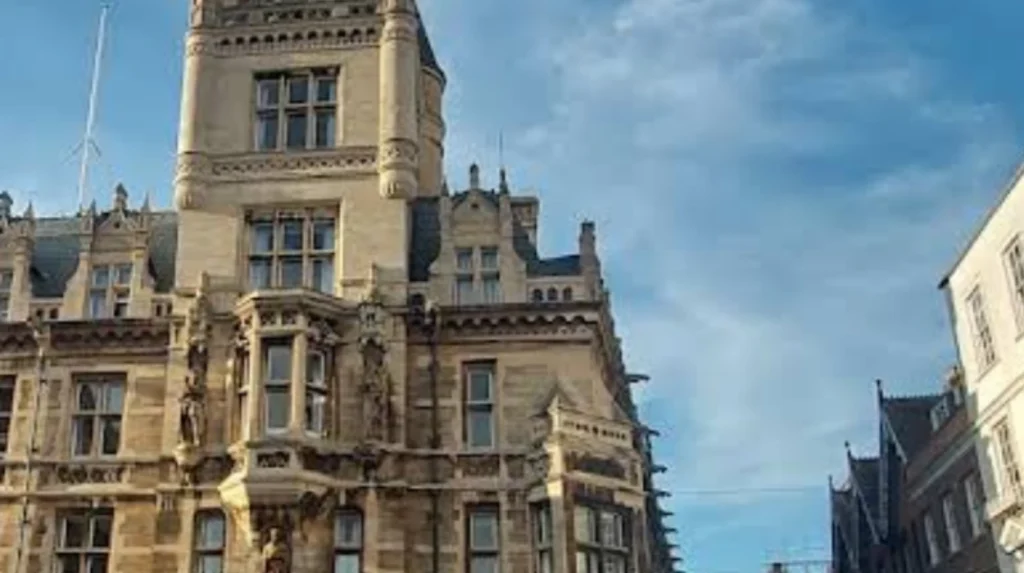
Cambridge City Council unveiled ambitious £80 million+ plans in October 2025 to regenerate Arbury Court and the adjacent Kingsway estate. The blueprint calls for demolishing substandard structures and building over 400 new homes: 107 council units and 106 private ones at Arbury Court alone, plus similar numbers at Kingsway. This mix aims to maintain affordability while attracting investment, with enhanced accessibility for disabled residents.
Beyond housing, the project reimagines public amenities. A new library space, park, and play area will replace existing facilities, ensuring continuity during construction. Commercial units will be reprovided for current traders, allowing them to relocate seamlessly within the site. Improved public realms, including better pedestrian paths and green corridors, promise to knit the neighborhood into Cambridge’s cycling-friendly fabric.
Funding blends council resources, private partnerships, and potential grants, reflecting a “Framework for Change for North Cambridge.” Leader Cameron Holloway emphasized tenant support, including compensation and relocation aid for the 150 affected households. The Gurdwara’s involvement adds cultural sensitivity, as discussions explore integrating its freehold interests into the design.
Key Features of the Proposed Development
The redevelopment prioritizes mixed-use vibrancy to sustain Arbury Court’s community essence. New homes will boast energy-efficient designs, incorporating solar panels, triple glazing, and heat pumps to slash bills and emissions. Layouts emphasize family-sized units alongside one-bedroom options, addressing diverse needs in a city where average house prices exceed £500,000.
Commercial evolution focuses on resilience. Modern shopfronts and flexible leasing aim to lure independents back, complementing nearby supermarkets. A central park with playgrounds and seating areas will foster social interaction, while the library relocates to a prominent spot, expanding digital access and study spaces for Arbury’s young population.
Connectivity improvements stand out. Widened pavements, secure bike storage, and bus links to the city center align with Cambridge’s sustainable transport goals. Green roofs and native planting will boost biodiversity, countering urban heat in an area prone to summer warmth. These elements position the project as a model for inclusive urban renewal.
Community Concerns and Responses
Not all voices welcome the plans unconditionally. Traders fear business interruption, citing past council consultations that yielded little action. One shopkeeper noted knowing “probably as much as I did a year ago,” highlighting transparency gaps. Residents displaced from Brackley Close flats worry about return rights, despite promises of priority rehousing.
Council responses stress consultation. A November 2025 “Have Your Say” phase invited feedback on the draft framework, with motions in July 2025 affirming retail and facility enhancements. Support packages include rent-free periods for traders and counseling for tenants. Critics, however, urge binding legal safeguards to prevent gentrification, drawing parallels to other UK estate renewals.
Balancing growth with equity remains pivotal. The plans allocate 50% affordable housing, exceeding national minima, and commit to no net loss of community space. Ongoing dialogues with the Gurdwara ensure cultural landmarks endure, aiming to build trust in a process that could span years.
Timeline and Next Steps
The project timeline unfolds methodically to minimize disruption. Initial consultations wrapped in late 2025, with planning applications expected by mid-2026. Demolition phases start post-2027, phased to keep parks and trader spaces operational. Full completion targets 2032, syncing with Cambridge’s Local Plan for 2040.
Public input shapes refinements, including a summer 2026 exhibition. Funding milestones hinge on partnerships, with £80 million covering initial builds. Monitoring committees will track progress, ensuring alignment with resident priorities like affordability and green space.
Economic and Social Impacts
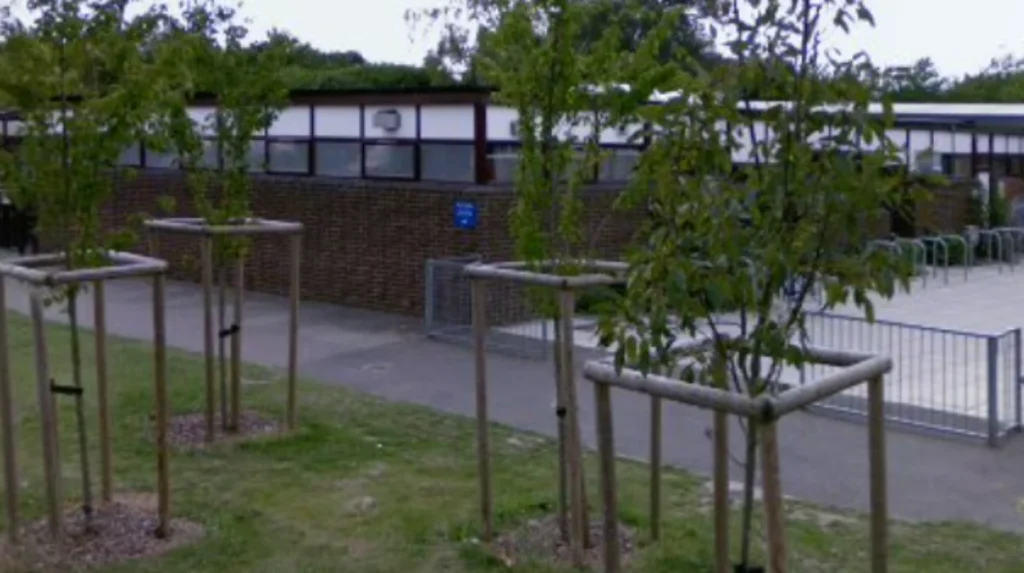
Redevelopment promises broad uplift for north Cambridge. Over 400 homes ease housing shortages, where demand outstrips supply by thousands annually. Jobs in construction—potentially hundreds during peak phases—will prioritize locals, boosting employment in an area with above-average joblessness.
Socially, enhanced facilities could cut isolation. A modern library supports education, vital near high-performing Arbury primary schools. Greener spaces promote health, tackling obesity rates higher than city averages. Economically, reprovided shops sustain £millions in local spending, fostering a self-reliant hub.
Long-term, rising property values may strain affordability, but council quotas mitigate this. The project exemplifies how targeted investment revitalizes deprived wards without erasing heritage, setting precedents for Cambridge’s growth.
Sustainability and Design Innovations
Sustainability threads through every aspect. Homes target Passivhaus standards, minimizing energy use by 80% over predecessors. Permeable surfaces reduce flooding risks, while biodiversity nets protect pollinators amid urban sprawl.
Design draws from resident feedback, favoring low-rise forms echoing original scales. Modular construction speeds builds, cutting emissions. Community orchards and allotments empower self-sufficiency, aligning with Cambridge’s eco-reputation.
Looking Ahead to a Thriving Arbury Court
Arbury Court’s redevelopment heralds a new chapter for north Cambridge, blending bold ambition with community roots. By addressing decay head-on, it charts a path to enduring vitality. As plans progress, collaboration will define success, ensuring the precinct thrives for generations.
When was Arbury Court built?
Arbury Court in Cambridge was constructed in the 1960s as a post-war shopping precinct and housing estate. It served north Cambridge’s growing suburbs with retail and council flats.
Was Harry Potter filmed in Cambridge?
No, Harry Potter films were not shot in Cambridge despite local architectural similarities to Hogwarts. Key locations included London, Alnwick Castle, and Scottish Highlands.
Who is the most famous person from Cambridge?
Stephen Hawking stands out as Cambridge’s most iconic figure, renowned for black hole theories and cosmology. Other notables include Isaac Newton and Alan Turing.
Is Oxford or Cambridge safer?
Cambridge edges out slightly safer with a 64.55 safety scale vs Oxford’s 64.38 per recent indices. Both cities report low crime, with Cambridge faring better at night.
What is the hardest subject to get into at Cambridge?
Medicine tops the list as Cambridge’s hardest entry, demanding top A-levels and rigorous interviews. Subjects like mathematics and economics follow closely in competitiveness.