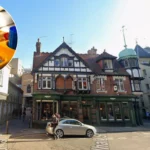

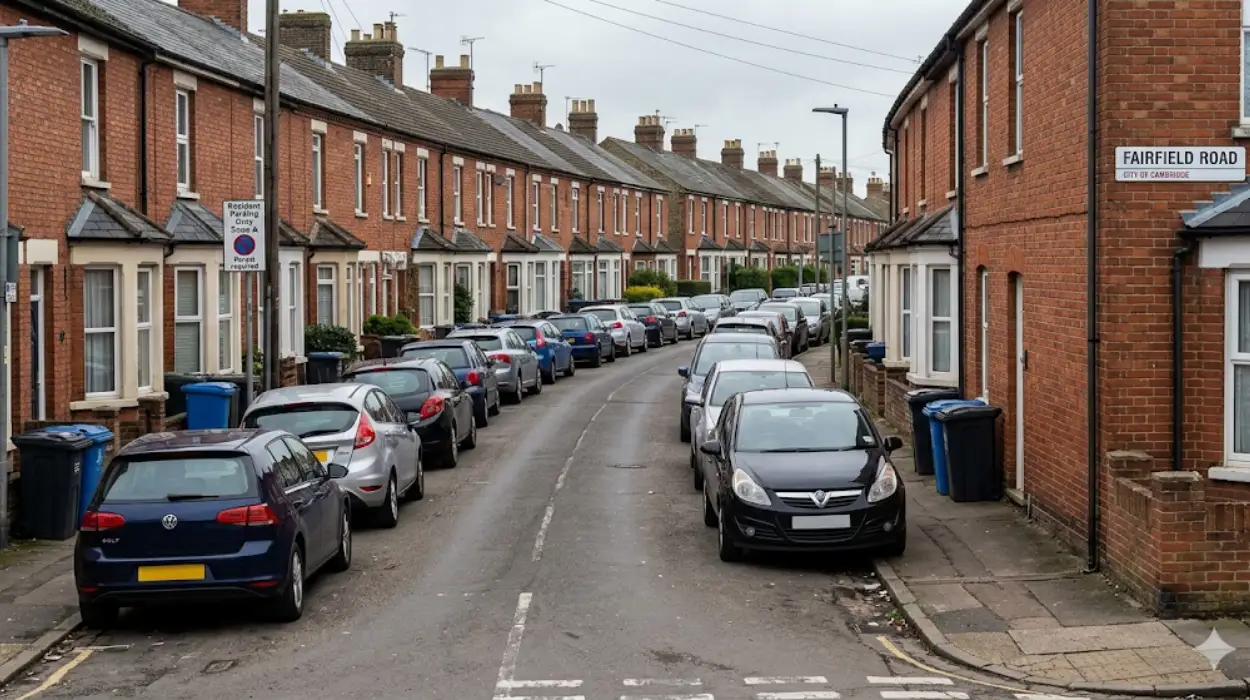
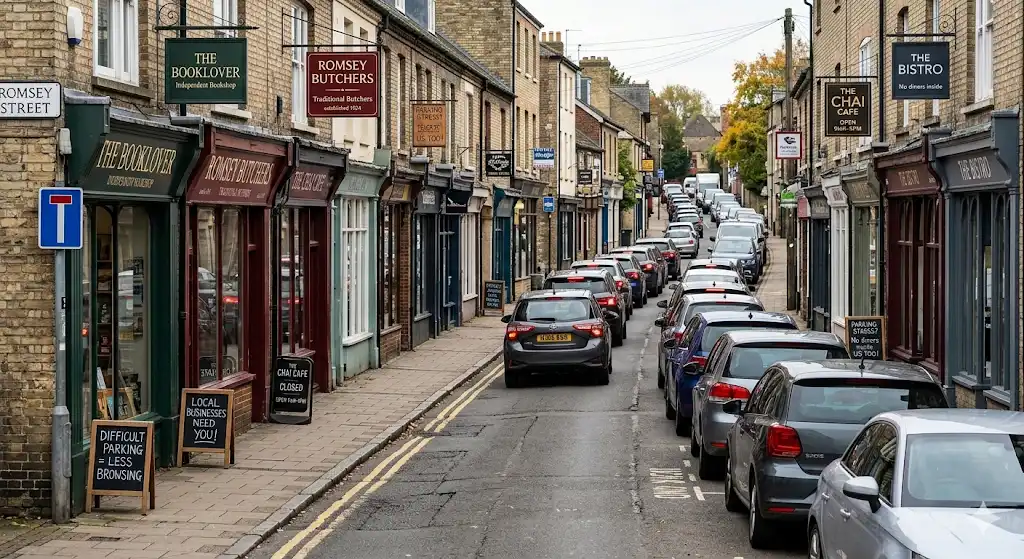
Romsey, a vibrant ward nestled in southern Cambridge, embodies the classic tension between historic charm and modern urban pressures. Bordered by the River Cam to the east and key roads like Mill Road and Coldhams Lane, this area pulses with independent shops, cozy cafes, and a tight-knit community that draws both locals and tourists. Yet beneath its appeal lies a persistent headache: parking. What was once a manageable quirk of city living has escalated into full-blown nightmares, where circling blocks for spaces eats up time and fuels tempers. This evergreen challenge stems from Cambridge’s explosive growth, limited infrastructure, and competing demands for street space.
- Historical Roots of the Problem
- Current Parking Landscape in Romsey
- Why Parking Feels Like a Nightmare
- Real Stories from Romsey Residents
- Impact on Local Businesses and Economy
- Cambridge City Council’s Approach
- Comparing Romsey to Other Cambridge Wards
- Potential Solutions and Innovations
- Navigating Parking as a Visitor
- Long-Term Urban Planning Outlook
- Why Romsey Remains Worth the Hassle?
Generations of Cambridge residents have voiced similar gripes, but in Romsey, the stakes feel particularly acute. Narrow Victorian terraces leave little room for expansion, while high demand from nearby universities, hospitals, and businesses amplifies the crunch. Drivers resort to creative but illegal maneuvers, parking on pavements or in bus lanes, which only worsens safety and accessibility. As Cambridge evolves into a global tech and education hub, understanding these parking nightmares offers timeless insights into sustainable urban planning.
Historical Roots of the Problem
Parking issues in Romsey didn’t emerge overnight; they trace back to Cambridge’s layered history. In the 19th century, this area thrived as a working-class enclave near the railway and mills, with streets designed for horse-drawn carts, not cars. Post-World War II, vehicle ownership surged, but Romsey’s road network remained frozen in time, a relic of an era when walking and cycling dominated.
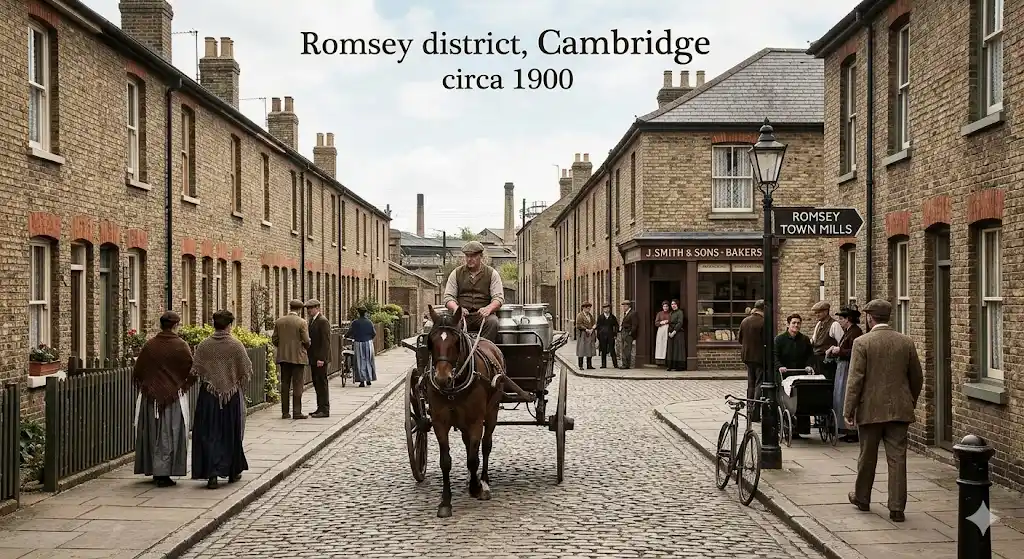
By the 1970s, as Cambridge’s population swelled with academics and professionals, on-street parking became contested territory. Local councils introduced yellow lines and residents’ permits, yet enforcement lagged. Romsey’s proximity to the city center mere minutes from the train station and Addenbrooke’s Hospital funneled extra traffic, overwhelming bays that were never meant for mass motoring. Historical maps from Cambridge City Council archives reveal how little has changed: the same tight junctions on Romsey Road still snarl progress today, proving this a perennial plight rather than a fleeting crisis.
Academic studies on UK urban parking, including those from the University of Cambridge’s transport department, highlight how historic districts like Romsey suffer most. Without radical redesigns, these areas perpetuate cycles of congestion, where past planning decisions haunt present-day drivers.
Current Parking Landscape in Romsey
Today, Romsey’s parking scene is a patchwork of restrictions, pay-and-display zones, and outright bans. Key streets like Romsey Road and Mill Road feature controlled parking zones (CPZs), where permits cost around £50-£100 annually for residents, but visitors face steep meter rates or fines. The Cambridge City Council map of restrictions shows dense yellow-line coverage, leaving scant free spots amid double-yellow no-go areas.
Off-street options are slim. The nearest council-run car parks, like the one on Norman Street or further afield at Park Street, fill rapidly during peak hours. Private lots near Romsey Town often charge £2-£3 per hour, deterring casual shoppers. Civil enforcement officers patrol diligently, issuing penalty charge notices (PCNs) for violations.
Data from council reports underscores the strain: Romsey sees thousands of PCNs yearly, with pavement parking and obstruction topping offenses. This isn’t abstract it’s daily reality for the ward’s 8,000-plus residents, where a quick grocery run spirals into 20-minute hunts.
Why Parking Feels Like a Nightmare
The “nightmare” label fits because Romsey’s shortages hit unpredictably. Mornings bring commuter overflow from the station; evenings, hospital shift workers commandeer spots. Students from nearby Corpus Christi or Anglia Ruskin University add to the melee, often ignoring bays altogether.
Enforcement gaps exacerbate chaos. While civil officers handle yellow lines, police tackle severe cases like zig-zag school markings or bus lane blocks offenses demanding points on licenses. Residents complain of “anti-social parking,” with vehicles straddling corners, blocking drives, and endangering pedestrians. Echoing broader Cambridge woes, Romsey mirrors tales from nearby wards, where growth outpaces provision.
Psychologically, the hunt drains energy. Studies in urban psychology note how repeated circling spikes stress hormones, turning errands into anxiety triggers. In Romsey, this manifests in heated neighborhood forums and council meetings, where pleas for more bays clash with green initiatives.
Real Stories from Romsey Residents
Local voices paint vivid pictures. Take Sarah, a Mill Road cafe owner, who shares how customers abandon orders after futile searches:
“They circle once, curse, and drive off losing us £20-£30 per table.”
Elderly drivers like Roger echo this, lamenting mobility barriers: inaccessible spots mean skipped outings, hitting businesses hardest.
Families feel it too. Parents juggling school runs on Romsey Road dodge illegally parked cars, fearing accidents near Vinery Road play areas. One anonymous resident posted online:
“We’re stuck in our homes because parking roulette isn’t worth the hassle.”
These anecdotes, drawn from community threads and council feedback, reveal human costs behind statistics lost time, frayed nerves, and economic dips for Romsey’s indie economy.
Impact on Local Businesses and Economy
Romsey’s high street thrives on footfall, but parking nightmares throttle it. Shops on Mill Road and Romsey Street report 15-20% sales dips on busy days, as browsers opt for parking-plenty rivals elsewhere in Cambridge. Cafes lose impulse buys; takeaways see fewer collections.
Economically, this ripples outward. Cambridge Chamber of Commerce data links parking woes to reduced vitality, with Romsey’s independents bookstores, butchers, bistros vulnerable. Tourists, lured by Cambridge’s prestige, bypass Romsey for hassle-free zones like the Grand Arcade. Long-term, it stifles investment: why lease premises where customers can’t park?
Yet resilience shines. Some businesses partner for staff permits, but broader fixes lag, underscoring parking as an evergreen drag on prosperity.
Cambridge City Council’s Approach
Cambridge City Council treats parking as civil enforcement turf, distinct from police duties. CPZs expanded in Romsey phases, prioritizing residents, but critics argue it funnels problems to shoppers. Recent plans hint at tweaks: improving nearby car parks while trimming on-street bays for pedestrian realms, inspired by successful pilots elsewhere.
Cambridgeshire County Council oversees maps and reports, urging digital checks for restrictions. Fines start at £70, halved if paid promptly, funding enforcement loops. Still, resident consultations reveal divides: more spaces versus cycling lanes. Councilors push balanced growth, but Romsey’s density demands bold action.
Comparing Romsey to Other Cambridge Wards
Romsey’s plight isn’t isolated, but it stands out. Petersfield, with university proximity, mirrors shortages but boasts better off-street garages. Newnham offers riverside relief, yet hills deter. Central wards like Market drown in tourists, contrasting Romsey’s local flavor.
This table highlights Romsey’s middle-ground misery bad enough for nightmares, not dire enough for urgency.
Potential Solutions and Innovations
Solving Romsey’s parking demands creativity. Park-and-stride schemes, with satellite lots and shuttles, succeed in Oxford analogs. Smart apps like RingGo already streamline payments; expanding to real-time bay finders could slash circling.
Residents’ bays might extend, but multi-story garages feasible on underused Mill Road plots offer density without sprawl. Cycling and walking pushes, via Cambridgeshire’s active travel funds, reduce car reliance long-term. Academic papers from Cambridge’s engineering faculty advocate “shared space” designs, blurring roads and pavements to deter parking naturally.
Business-led initiatives, like pop-up valet zones, provide quick wins. Ultimately, blending tech, policy, and community input crafts enduring relief.
Navigating Parking as a Visitor
Visitors shouldn’t despair. Download the council’s interactive map for real-time rules tap streets for specifics. Opt for Norman Street car park early, or Park Street for longer stays. Permits aren’t for tourists, but apps flag free windows.
Pro tips: arrive pre-10am or post-6pm; combine visits with buses from Drummer Street. Patience pays Romsey’s gems reward the effort.
Long-Term Urban Planning Outlook
Looking ahead, Cambridge’s 2050 transport vision eyes parking caps to favor sustainable modes. Romsey, as a growth node, could pioneer “car-free” pilots, compensated by edge-of-ward hubs. Government sites like GOV.UK stress decarbonization, pressuring fossil-fuel holdouts.
Yet balance reigns: ignoring drivers risks backlash. Research from the RAC Foundation urges “managed decline” in on-street parking, paired with EV chargers. Romsey’s future hinges on adaptive councils hearing resident nightmares.
Why Romsey Remains Worth the Hassle?
Despite woes, Romsey captivates. Its markets buzz, pubs pour perfect pints, and community spirit endures. Parking frustrations highlight a deeper truth: cherished places demand care. By addressing these evergreen nightmares, Cambridge honors its soul.
Will Romsey’s first multi-storey car park be built in 2027?
A planning application for Romsey’s proposed first multi-storey car park is expected in 2027, following ongoing discussions about the project’s impact on residents and local businesses.What is Cambridgeshire’s integrated parking strategy?
Cambridgeshire County Council and Cambridge City Council are working on an integrated parking strategy aiming to coordinate on-street and off-street parking and ensure consistent, citywide management.
Could Romsey move out if parking is reduced?
Romsey’s main retailer, Bradbeers Department Store, has warned it may relocate if parking is cut further, after a previous study found local parking already insufficient. Plans for the new town centre scheme would add around 85 spaces, some located slightly farther from nearby shops.
Will Cambridge have a resident parking scheme?
Cambridge is considering introducing a residents’ parking scheme in certain areas, including Wilberforce Road, to prevent commuters from using local streets for free parking when visiting the city centre.