
King’s Hedges, in the north of Cambridge, is a predominantly residential ward that has evolved from a late‑1960s council estate into a diverse community of families, students and young professionals. The area is known for relatively affordable housing by Cambridge standards, strong bus and cycling links, and proximity to major employment hubs like Cambridge Science Park and Cambridge Regional College.
- Understanding King’s Hedges: Layout, History and Character
- Key Factors That Make a Street “Best” in King’s Hedges
- Campkin Road and Surrounding Streets
- North‑Edge Streets near the Guided Busway and Science Park
- Streets Around King’s Hedges Recreation Ground
- Family‑Friendly Streets near Primary Schools
- Streets Favoured by Cyclists and Car‑Free Households
- Quiet Residential Courts and Cul‑de‑Sacs
- Streets with Strong Amenity Access
- How to Choose the Right Street for You
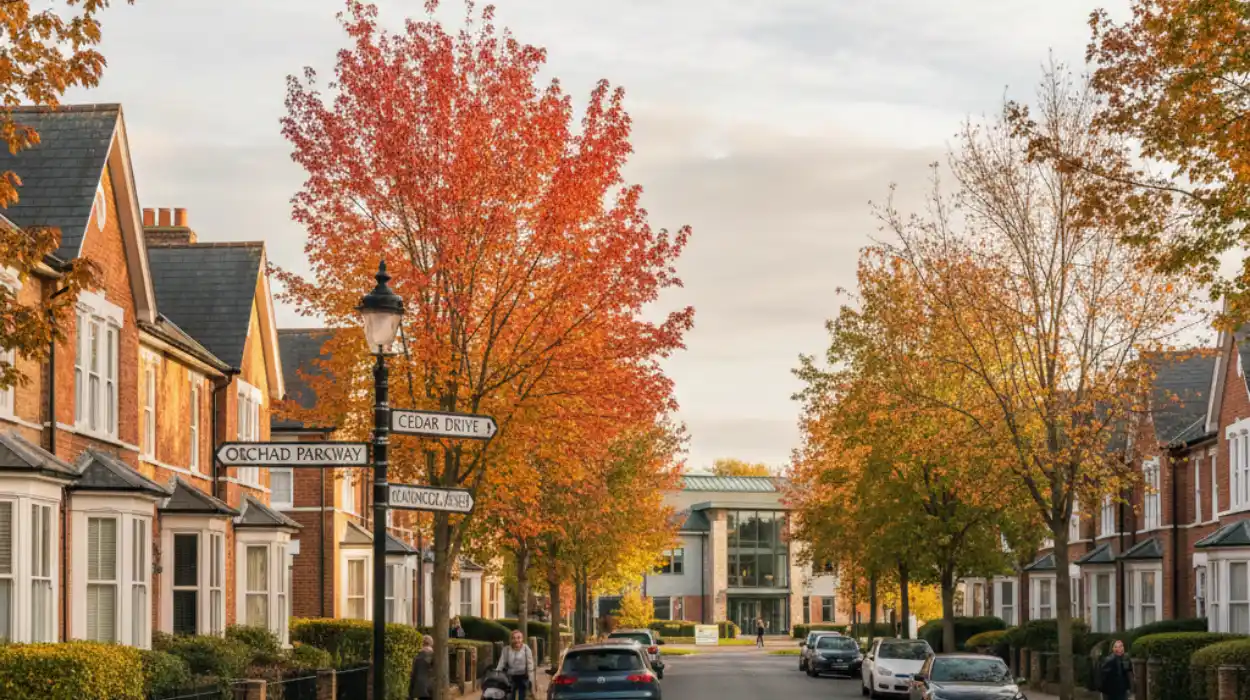
When you look for the best streets to live in King’s Hedges, you are really balancing three things: quality of housing stock, access to green space and transport, and the feel of the immediate neighbourhood. The estate was originally planned with a people‑first layout, prioritising walking and cycling routes over through‑traffic, which still shapes the experience of living on many of its streets.
This guide focuses on streets and clusters that consistently appeal to long‑term residents, commuters and families, and that are likely to remain attractive over time thanks to their design, location and amenities. It is designed as evergreen content that will stay useful even as individual listings change.
Understanding King’s Hedges: Layout, History and Character
King’s Hedges lies north of Cambridge city centre, forming an electoral ward with around 11,000 residents as of the 2021 census. The area was developed intensively from 1967 onwards, with some 1,570 households built on a 125‑acre site northwest of Campkin Road by the mid‑1980s. Much of this early housing was low‑rise blocks of three to four storeys, designed to rehouse families from older inner‑city districts.
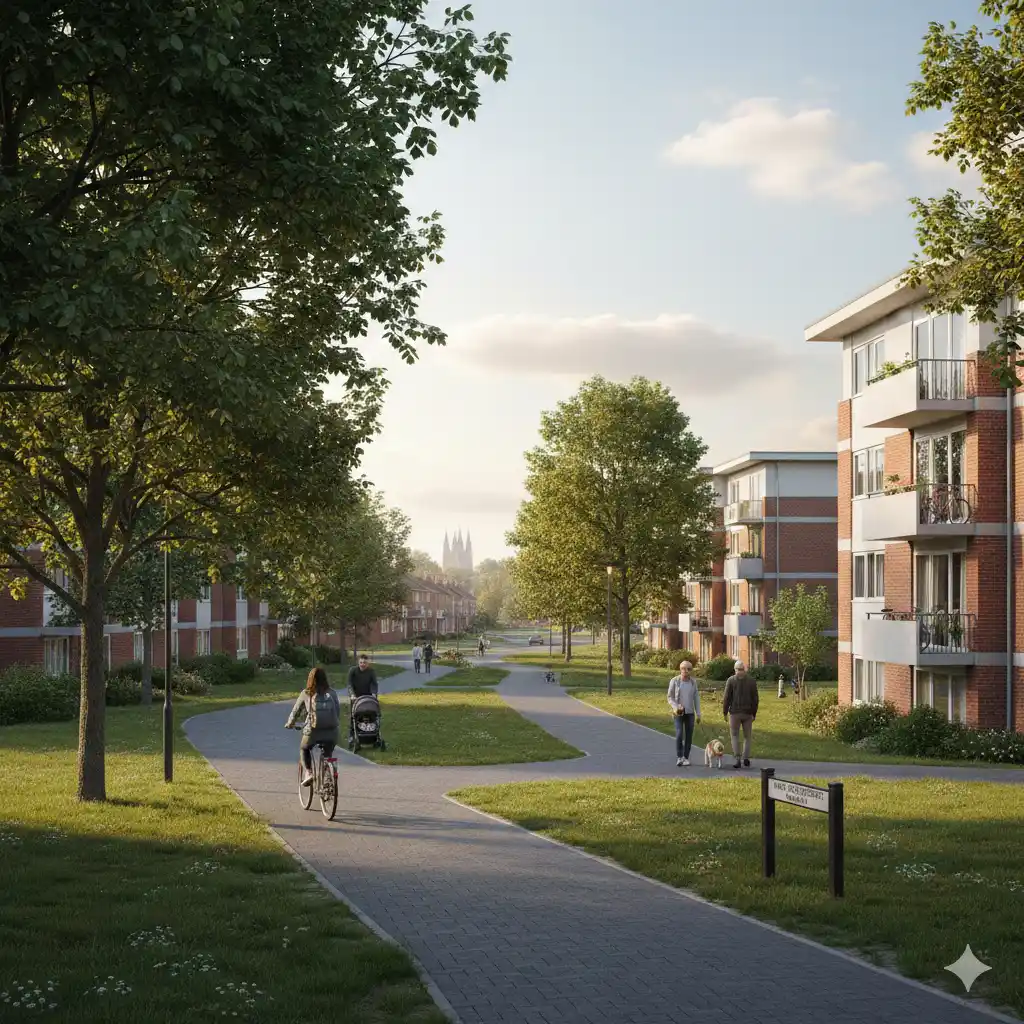
The distinctive feature of King’s Hedges is its network of traffic‑free paths and green corridors, which provide direct walking and cycling routes through the estate and to neighbouring areas. Streets are often arranged as cul‑de‑sacs or short spurs off larger distributor roads, with houses facing onto parks or shared green space rather than busy carriageways. This pattern means that “best streets” here are not only the ones with attractive properties but also those that plug directly into these calm, green routes.
Demographically, King’s Hedges has a mix of income levels and a strong presence of young adults: around 38% of residents fall into the 20–39 age band, and one‑person households make up roughly a third of homes. The main ethnic group is White British at about 58%, with a substantial mix of other backgrounds contributing to a diverse local culture. These factors create a neighbourhood where students, key workers, families and long‑term locals share the same streets and facilities.
Key Factors That Make a Street “Best” in King’s Hedges
Before naming specific streets, it helps to understand what typically drives demand in King’s Hedges. Because this is a planned estate bordering major employment zones and transport infrastructure, several recurring themes emerge.
First, connectivity is crucial. Streets that sit close to the guided busway, main bus routes and direct cycle paths to the city centre or Science Park are usually more attractive to commuters. The Cambridgeshire Guided Busway runs along the edge of the ward and offers fast, largely traffic‑free journeys towards central Cambridge and beyond.
Second, access to green space matters. The area is known for its generous green buffers, with King’s Hedges Recreation Ground and numerous smaller parks embedded in the layout. Streets that front onto, or have easy paths to, these spaces are particularly desirable for families with children and for people who value a quieter, leafier outlook.
Third, proximity to schools and everyday amenities plays a major role. King’s Hedges Primary School, The Grove Primary School and St Laurence Catholic Primary School are all rated “Good,” making nearby streets attractive to parents. Everyday conveniences such as Tesco, Co‑op and local convenience stores add to the appeal of streets within a short walk.
Finally, overall character and perceived safety shape long‑term desirability. Area‑level data suggest that King’s Hedges combines pockets of average and higher‑than‑average wealth, with a medium crime rate and a significant proportion of non‑deprived zones, creating a mixed but generally stable environment. Streets that feel well cared‑for, with active front gardens, overlooked pathways and a settled community, tend to stand out.
Campkin Road and Surrounding Streets
Campkin Road is one of the main spines of King’s Hedges and offers a useful reference point when considering where to live. Running east–west through the ward, it connects to Arbury Road, King’s Hedges Road and other important routes, making streets that branch off it very convenient for buses, cycling and access to the wider city.
Properties directly on Campkin Road experience more traffic and bus movement, but many side streets and courts off the road benefit from its connectivity without the same level of noise. These include enclaves designed around residential parking courts and internal pedestrian paths, which help to separate homes from through‑traffic. People who rely on public transport or who want quick road access to the A14 often find this corridor particularly practical.
Campkin Road also acts as a thread tying together community facilities. In its orbit you find local centres, play areas and links through to larger open spaces, which can make the surrounding streets appealing for families and long‑term renters seeking a stable base with essential services close by. When exploring best streets in this part of King’s Hedges, look for those that sit one row back from the main carriageway but still enjoy short, well‑lit paths through to bus stops and shops.
North‑Edge Streets near the Guided Busway and Science Park
At the northern edge of King’s Hedges, the streets closest to the Cambridgeshire Guided Busway and Cambridge Science Park offer a compelling combination of connectivity and employment access. The busway, opened in 2011, runs along the boundary of the ward, providing rapid routes into central Cambridge, St Ives and other destinations without the usual congestion of main roads.
For professionals working at Cambridge Science Park or the nearby business campuses, living on streets that open quickly onto the busway or direct cycle paths is a major advantage. The estate was explicitly planned to favour walking and cycling, meaning that from many northern streets you can reach Science Park entrances via traffic‑free routes in just a few minutes. This pattern is especially attractive to people who want to avoid commuting by car and to households with only one vehicle.
These northern streets also tend to feel a little more open and modern thanks to their proximity to newer developments such as Orchard Park, started in 2005 just beyond the ward boundary. While still part of the King’s Hedges context, they benefit from spill‑over amenities and infrastructure improvements associated with growth in North Cambridge, making them a strong evergreen choice for buyers and renters who prioritise ease of travel and access to high‑tech employment.
Streets Around King’s Hedges Recreation Ground
King’s Hedges Recreation Ground is one of the key green lungs of the area, popular for picnics, informal sports and outdoor activities. Streets that border or feed directly onto this space are often seen as among the best places to live within the ward, particularly for families, dog owners and anyone who values immediate access to grass and trees.
Because the original estate design placed many homes fronting parks and shared greens rather than busy streets, these recreation‑ground‑adjacent streets can feel calmer and more pedestrian‑oriented than conventional suburban roads. Residents enjoy views over open space instead of parked cars, and children have short, mostly traffic‑free routes from front doors to play areas.
In addition, these streets often sit conveniently between community centres, schools and the main transit routes, acting as a kind of “green corridor” through the heart of King’s Hedges. That makes them appealing not only for current lifestyle benefits but also from an evergreen perspective: as long as the recreation ground is protected and maintained, the streets that frame it are likely to retain their intrinsic value.
Family‑Friendly Streets near Primary Schools
For families, the best streets in King’s Hedges are usually those within a straightforward walk of good primary schools while still benefiting from quiet surroundings. King’s Hedges Primary School, The Grove Primary School and St Laurence Catholic Primary School all hold “Good” ratings, giving parents a choice of solid local education.
Streets close to these schools tend to be well used at drop‑off and pick‑up times, which can create a sense of community and “eyes on the street.” At the same time, the underlying estate design keeps heavy through‑traffic away from many residential frontages, so once the school rush is over, most nearby streets settle back into a quieter rhythm.
Because these schools serve overlapping catchments, living on a street that sits roughly central between them can be especially advantageous. It gives families the flexibility to change schools if needed without having to move home, and it often means easy access to multiple playgrounds and playing fields. From an evergreen perspective, school‑adjacent and school‑proximate streets generally retain strong demand in any city, and King’s Hedges is no exception.
Streets Favoured by Cyclists and Car‑Free Households
One of the most distinctive qualities of King’s Hedges is the strength of its cycling and walking infrastructure. The estate is frequently cited as one of Cambridge’s best examples of a development built around direct, car‑free routes rather than traditional car‑centric street patterns. For many residents, the best streets are those that sit directly on these internal path networks.
In these parts of the estate, houses and low‑rise blocks may front onto shared paths and green strips, with vehicle access relegated to rear courts or short cul‑de‑sacs. This arrangement encourages residents to walk or cycle to local shops, schools and busway stops, with journeys often faster than by car thanks to the directness of the routes. It is particularly attractive to students at Cambridge Regional College, which is located in King’s Hedges and draws a substantial number of local and commuting learners.
Residents who choose streets integrated into the cycling network gain daily lifestyle benefits: safer routes for children, easy commuting by bike and a generally calmer ambience with less traffic noise. As cities across the UK continue shifting towards active travel, these design features are likely to become even more valued over time, enhancing the long‑term appeal of such streets within King’s Hedges.
Quiet Residential Courts and Cul‑de‑Sacs
Beyond the main spines and green‑edge streets, King’s Hedges includes many smaller residential courts and cul‑de‑sacs that offer a more secluded living experience. These were intentionally laid out during the original development period to break up large blocks and to keep through‑traffic away from homes.
Residents who favour peace and privacy often gravitate towards these tucked‑away streets. They typically have limited vehicle movement, rely on shared parking areas and connect to the rest of the ward via footpaths rather than continuous road grids. For families with young children, or for people who work irregular hours and value quiet surroundings, these streets can be particularly attractive.
From an evergreen standpoint, such courts and cul‑de‑sacs benefit from stable design choices that are unlikely to change dramatically: even as the wider area evolves, the basic pattern of low‑rise blocks, generous setbacks and internal green spaces continues to underpin a sense of residential calm. That makes them a consistent option for anyone seeking a more tranquil corner of King’s Hedges without sacrificing access to the ward’s wider amenities.
Streets with Strong Amenity Access
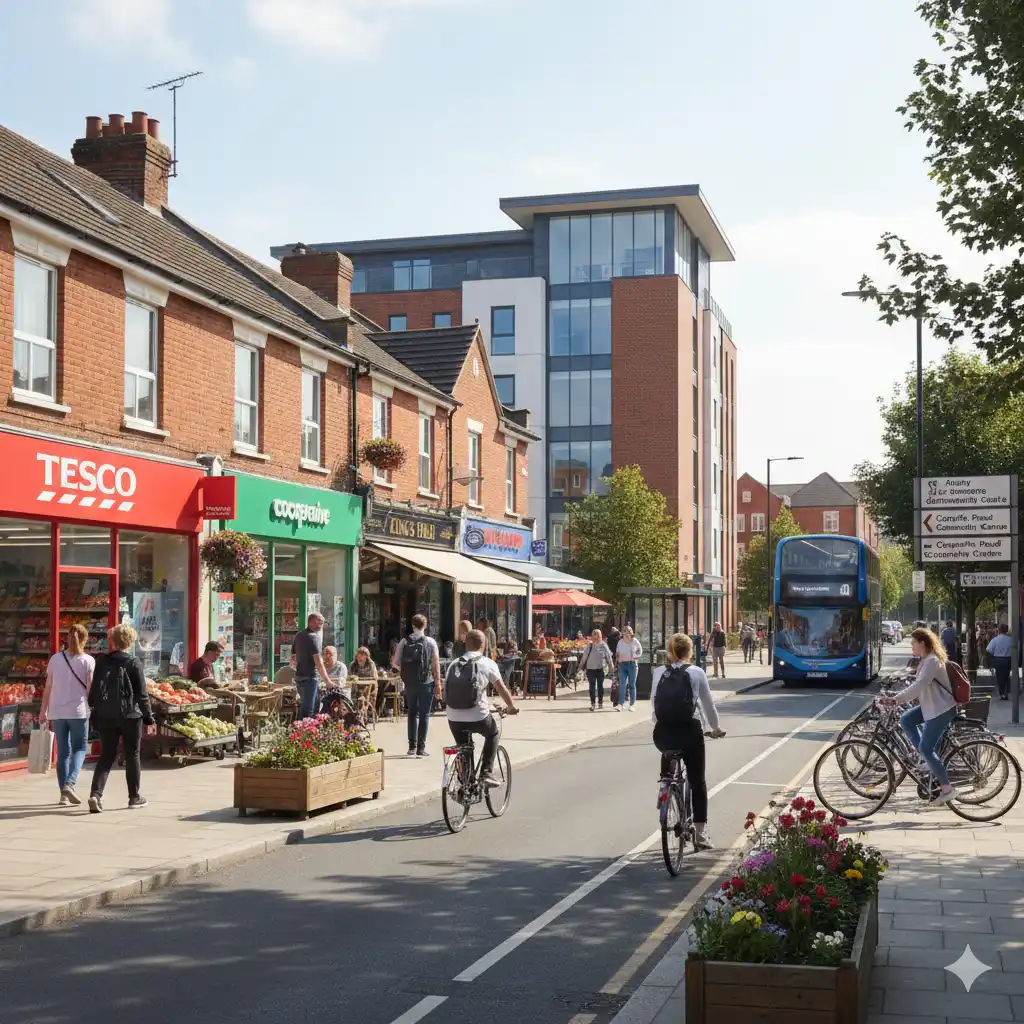
A final cluster of “best streets” in King’s Hedges comprises those that sit closest to day‑to‑day amenities: shops, community centres, faith spaces and healthcare services. The ward includes multiple food stores, notably a Tesco supermarket, a Co‑operative store and independent convenience outlets, alongside a range of local pubs and small businesses.
Cambridge Regional College, at the edge of King’s Hedges, acts as both an educational hub and a source of footfall for nearby streets, supporting cafés, takeaways and other services. The area is also served by community facilities such as Arbury Community Centre and Campkin Road Community Centre, coordinated in part through the North Cambridge Community Partnership. Streets within a short, direct walk of these amenities often feel particularly lively and well connected.
For residents who prioritise convenience, living on or near these amenity‑rich streets can dramatically reduce the need for car trips. The combination of frequent buses, strong cycling links, nearby shops and active community hubs creates an environment where daily life can be managed largely on foot or by bike. In the long term, such streets tend to hold their value well, as they align with broader trends towards walkable neighbourhoods and reduced car dependence.
How to Choose the Right Street for You
Within King’s Hedges, there is no single “best” street for every resident; instead, there are clusters of streets that suit different lifestyles and priorities. Commuters to the city centre or Science Park often favour streets near the guided busway or direct cycling corridors. Families tend to lean towards streets close to “Good”‑rated primary schools and parks, while students and younger professionals may prefer streets with quick access to Cambridge Regional College and local shops.
When shortlisting streets, it is helpful to walk or cycle the local paths at different times of day to get a feel for how they function in practice. Look for streets that balance quiet residential character with easy access to the main movement routes and amenities that matter most to you. Pay attention to natural surveillance, lighting and the condition of shared spaces, as these can strongly influence the day‑to‑day experience of living there.
Ultimately, the best streets to live in King’s Hedges share common evergreen traits: close connections to green space, schools and transport; a layout that favours people over cars; and a stable, mixed community supported by strong local facilities. By focusing on these underlying features rather than on individual listings, you can choose a street that remains a good fit not just this year, but for many years to come.