
Key Points
- Developers propose building nearly 30 new homes in an unspecified Cambridgeshire village to meet local housing needs.
- The site is described as a ‘natural extension’ to the village by the developers.
- Plans aim to address housing shortage while preserving rural character.
- Development likely includes affordable housing options for local residents.
- Proposal under consideration by local council, with potential for public consultation.
- Part of broader Cambridgeshire housing initiatives amid regional growth pressures.
Cambridgeshire (Cambridge News) February 23, 2026 – Developers have unveiled plans to construct nearly 30 new homes in a Cambridgeshire village, positioning the site as a ‘natural extension’ to the existing community to meet pressing local housing needs. The proposal, highlighted by local media, seeks to balance growth with the area’s rural charm amid ongoing debates over infrastructure and sustainability.
- Key Points
- What Is the Proposed Development in the Cambridgeshire Village?
- Why Do Developers Claim the Site Is a ‘Natural Extension’?
- How Does This Address Local Housing Needs?
- What Are the Key Features of the Proposed Homes?
- Which Council Is Reviewing the Plans?
- What Community Benefits Are Promised?
- Are There Similar Projects Nearby?
- What Concerns Have Locals Raised?
- How Does This Fit Greater Cambridgeshire Plans?
- What Is the Timeline for Approval and Construction?
- What Happens Next in the Planning Process?
What Is the Proposed Development in the Cambridgeshire Village?
The initiative centers on building nearly 30 homes on land identified as suitable for residential expansion. As shared in social media posts by Cambridgeshire Live on Facebook,
“The developers said the site would be a ‘natural extension’ to the village.”
This phrasing underscores the design intent to integrate seamlessly with surrounding landscapes.
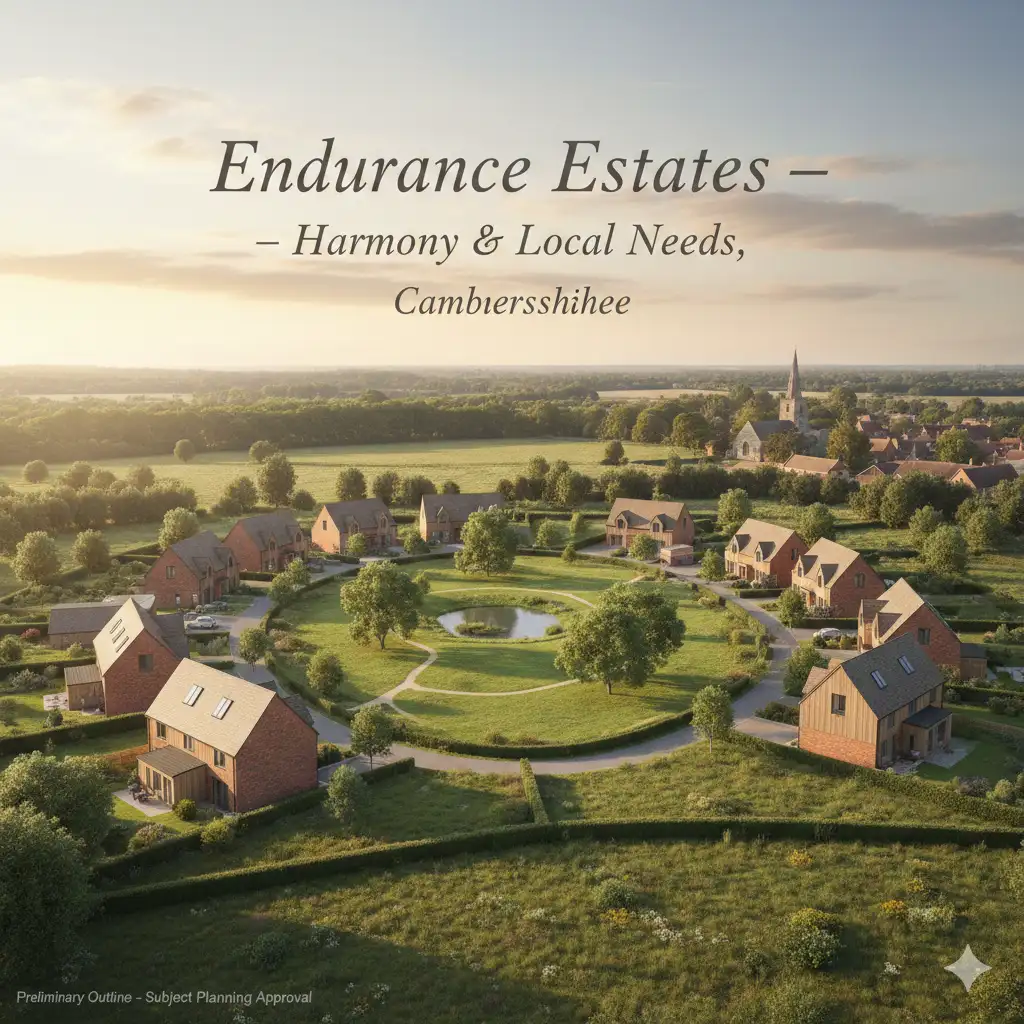
Endurance Estates, though linked to larger schemes, reflects similar developer sentiments in Cambridgeshire, where such projects emphasize harmony with local environments. While the exact village remains pinpointed in initial reports as a generic Cambridgeshire location, the focus remains on fulfilling ‘local needs’ through targeted housing. No formal planning application has been submitted yet, but preliminary announcements suggest outline submission to the relevant district council soon.
Why Do Developers Claim the Site Is a ‘Natural Extension’?
Developers argue the location naturally prolongs the village’s footprint without disrupting its character. In parallel reporting by BBC on similar projects, developers like Endurance Estates in Sawtry stated the homes would be “carefully designed, of high quality and respectful of the area,” proposing lower density to “fit well with its surroundings.”
This approach echoes the sentiment in the Cambridgeshire village plan, where the site avoids green belt conflicts and leverages adjacent farmland for logical growth. The developers envision variety in housing types to cater to families and first-time buyers, promoting community cohesion.
How Does This Address Local Housing Needs?
The core rationale is tackling Cambridgeshire’s acute housing shortage, where demand outstrips supply in rural areas. The proposal explicitly aims to ‘meet local needs,’ likely incorporating affordable units, as seen in comparable Accent Housing’s Little Downham scheme delivering 39 homes 30 for affordable rent and 9 for shared ownership based on parish surveys.
Cambridgeshire ACRE’s Chief Executive Hayley Neal noted in that context,
“Affordable homes are about more than houses for those in need: affordable homes prioritised for people with a connection to the parish can help to sustain the community.”
Such statements align with the nearly 30-home plan’s intent to retain young families and bolster village vitality.
What Are the Key Features of the Proposed Homes?
Details specify a mix of housing to suit diverse households, potentially 1-4 bedroom options including bungalows, mirroring rural exception sites. Lindum Construction in Little Downham, for instance, leads builds with social value like bat houses and fundraising.
Affordable housing forms a pillar, with 40% targeted in analogous Endurance plans, including allotments for “grow their own produce and promote healthy lifestyles.” Access improvements, pedestrian paths, and biodiversity enhancements feature prominently to mitigate environmental impact.
Which Council Is Reviewing the Plans?
The relevant authority, likely Huntingdonshire or Fenland District Council based on regional patterns, will assess the outline application. A screening opinion for environmental impact is standard, as submitted in Sawtry. Balfour Beatty in March emphasized “essential housing” with play areas and drainage to prevent flooding.
Public consultation follows submission, addressing concerns like traffic, as in petitions gathering 338 signatures against Sawtry’s larger bid. Council planning officers typically weigh highways input, which has supported past approvals.
What Community Benefits Are Promised?
Beyond homes, benefits include open spaces, allotments, and infrastructure upgrades. Developers promise no “likely significant effects on the environment,” with phased delivery over years to minimize disruption.
In Little Downham, Accent’s Azhar Ahmed, Assistant Development Director, said:
“This scheme is a great example of how Rural Exception Sites can directly address local housing need. By working closely with the Parish Council and using robust data from the housing needs survey, we’ve been able to design a development that delivers real value to the community.”
Parish engagement events ensure local input.
Are There Similar Projects Nearby?
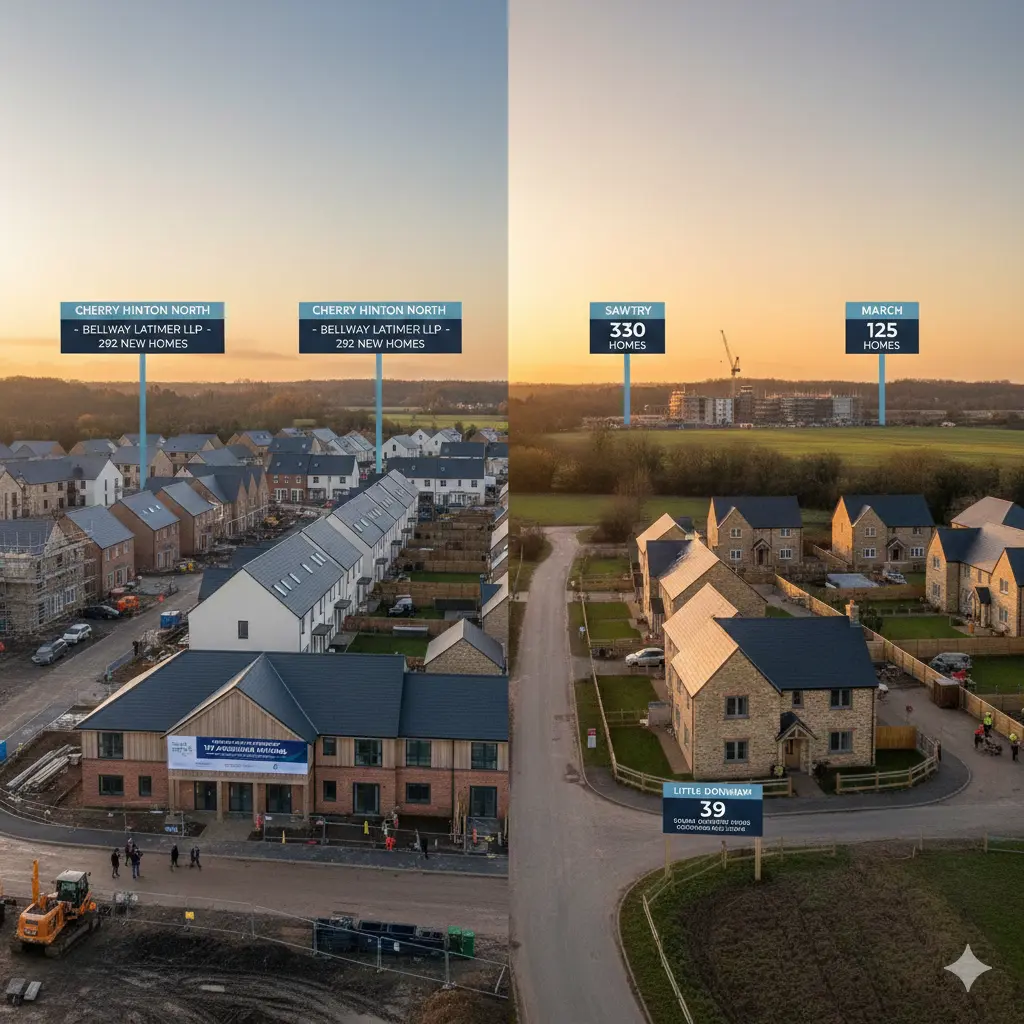
Cambridgeshire sees parallel efforts: 292 homes approved in Cherry Hinton North by Bellway Latimer LLP, with 117 affordable (85 social rent, 32 shared ownership). Councillor Katie Thornburrow called the local centre the “heart of the community.”
Little Downham’s 39 homes, construction started November 2024, exemplify rural exceptions. Larger visions like 330 in Sawtry or 125 in March highlight regional push.
What Concerns Have Locals Raised?
Opposition mirrors broader trends, with infrastructure strain topping lists. Sawtry’s petition cited capacity issues; March residents feared Princess Avenue becoming a “hazard.” Facebook comments on the story urged “more farming less new builds!”
Environmental and traffic worries persist, though developers counter with assessments showing mitigable risks.
How Does This Fit Greater Cambridgeshire Plans?
This fits the Greater Cambridge Local Plan’s growth strategy, eyeing 50,000 homes by 2041, including rural allocations. Policies like S/RRA prioritize defined extents while sustaining villages.
Chancellor investments and development corporations aim for 150,000 homes, emphasizing affordability amid inequality.
What Is the Timeline for Approval and Construction?
Phased over 7 years typical, with outline approval first, then detailed. Little Downham targets Autumn 2026 completion. Formal submission pending, council review to follow.
Residents await application for input, as in ongoing consultations.
What Happens Next in the Planning Process?
Post-submission, council validates, consults, and decides. If approved, reserved matters follow. Developers stress community focus, vowing high-quality integration.
This proposal embodies Cambridgeshire’s balancing act: growth for needs versus preserving village idyll. As plans advance, local voices will shape outcomes in this evolving rural landscape.