

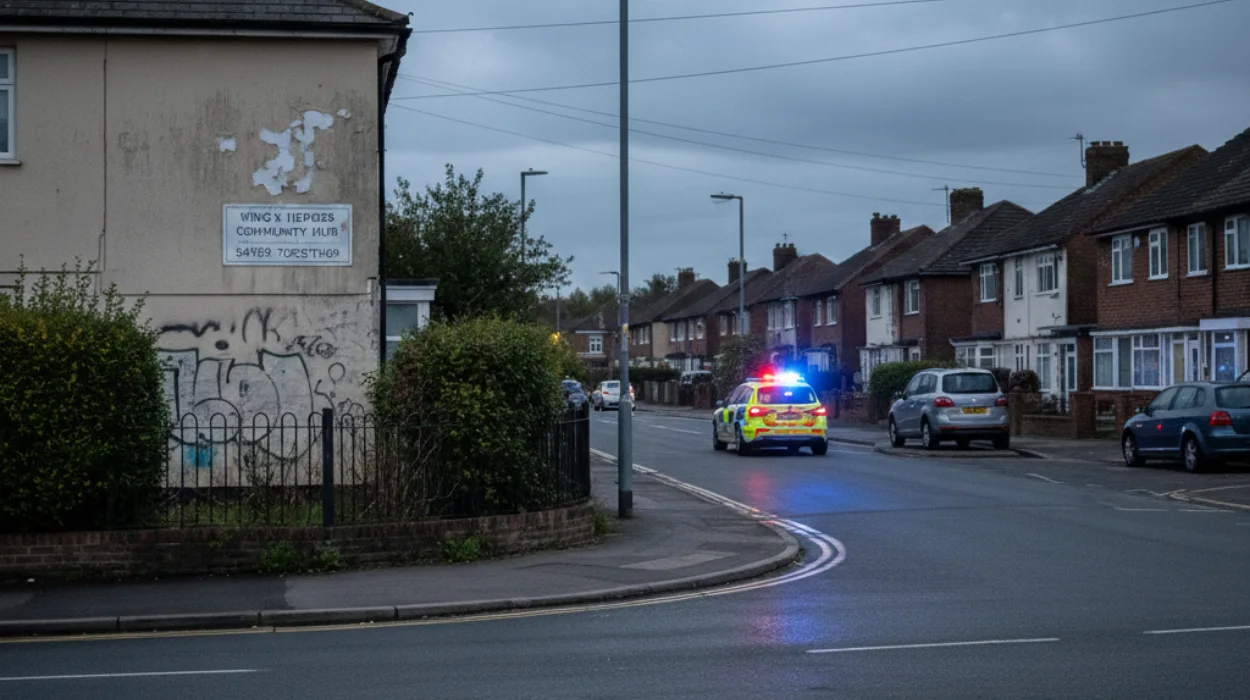
King’s Hedges, a northern ward of Cambridge, often faces whispers of concern over safety, yet data and local stories paint a more nuanced picture of resilience and revival. This evergreen exploration uncovers the facts behind the reputation, blending historical roots with modern realities to help you see beyond the headlines.
Historical Roots of King’s Hedges
The land now known as King’s Hedges traces back to the 13th century, when it was called Albrach, an open expanse north of Cambridge used for agriculture and hunting. In 1558, local landowner Richard Brakyn received permission to enclose 34 acres, renaming it Kings Hedges likely a nod to the ancient King’s warren, where hedges funneled game for royal hunters. This evolution from medieval preserve to modern suburb sets the stage for its character today.
Development accelerated in the 1960s as Cambridge expanded to house growing families relocated from aging city-center slums. Construction began in 1967 northwest of Campkin Road on a 125-acre site, yielding 1,570 households by 1986, mostly in three- and four-story blocks designed around pedestrian and cycling paths. This forward-thinking layout prioritized non-car travel, making King’s Hedges Cambridge’s prime example of walkable urban planning—a feature that remains a quiet strength amid later car-dominated developments.
Early years brought challenges, including vandalism complaints and sparse amenities, as families adjusted to high-rise living far from central hubs. Yet these foundations fostered a tight-knit community spirit that endures, with paths linking homes to schools and shops in a web of convenience often overlooked in safety discussions. The adjacent Cambridge Guided Busway, opened in 2011, now edges the ward, enhancing connectivity to the city core and science hubs.
Demographics and Daily Life Today
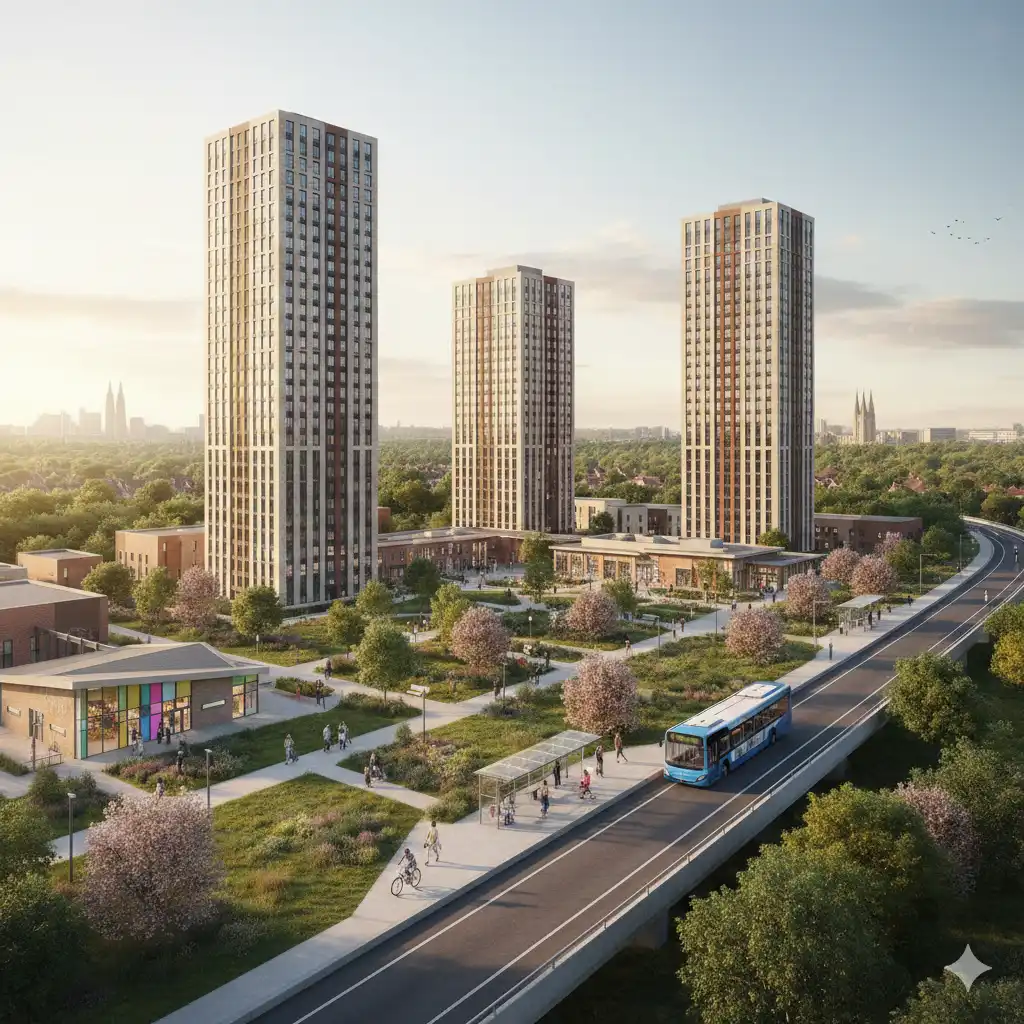
Home to around 11,099 residents as of the 2021 census, King’s Hedges reflects Cambridge’s diversity with a median age of 34 and a balanced gender split. Families form the backbone, drawn by affordable housing amid the university city’s soaring prices average homes here hover near £330,000 to £479,000, far below central Cambridge premiums. This accessibility supports a vibrant mix of working professionals, students from nearby Cambridge Regional College, and multi-generational households.
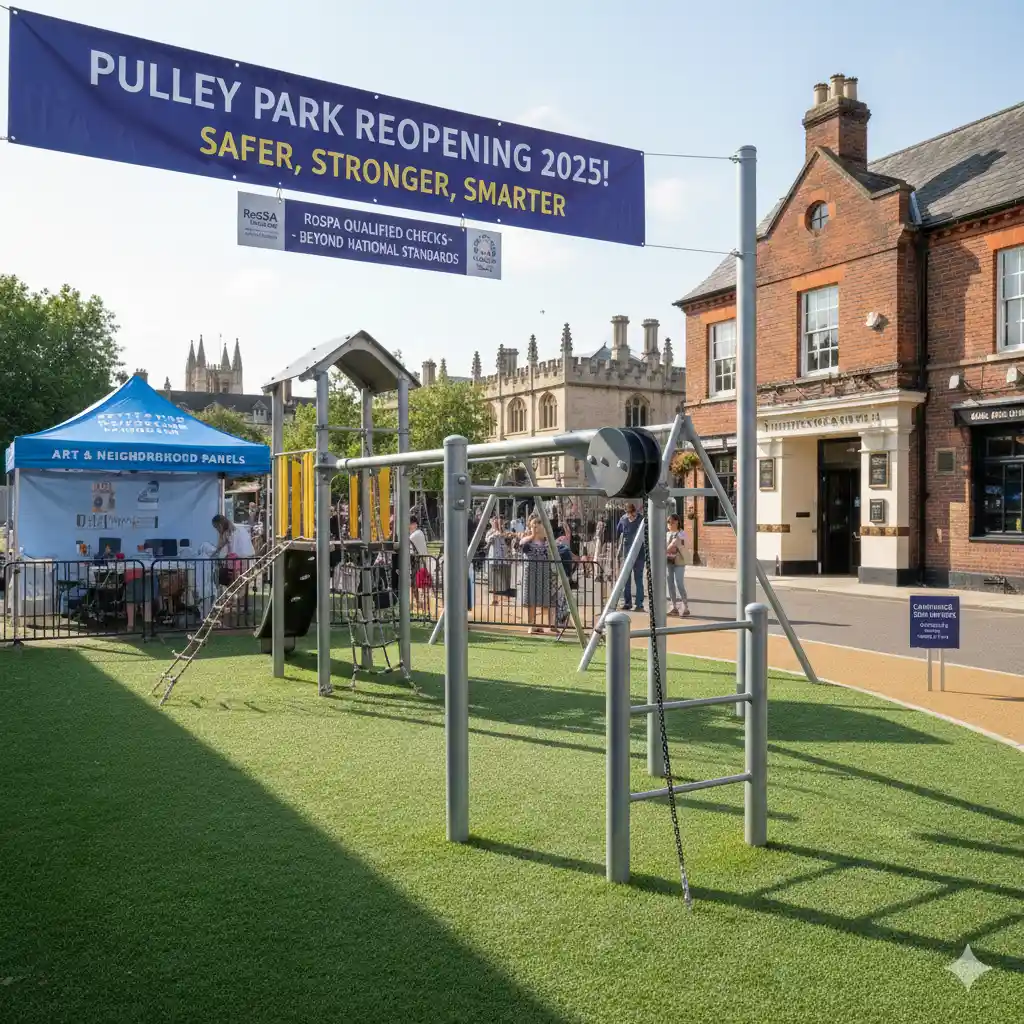
Daily rhythms pulse through local shops, pubs like The Ship and Golden Hind, and easy A14 access for commuters. Proximity to Cambridge Science Park brings economic buzz, employing thousands while highlighting the ward’s contrasts: innovation next door amid pockets of deprivation. Rental values average £1,820 monthly, up 48% over a decade, signaling steady demand despite perceptions. Parks like Pulley Park, recently upgraded with new play equipment and rigorous safety inspections every four weeks, offer family havens where children play under vigilant council oversight.
Community facilities anchor social life, from Arbury and Campkin Road centres to the North Cambridge Community Partnership (NCCP), which unites Arbury and King’s Hedges for newsletters, toddler groups, Lego clubs, and gardening. These initiatives combat isolation, fostering bonds that statistics alone can’t capture.
Unpacking the Safety Statistics
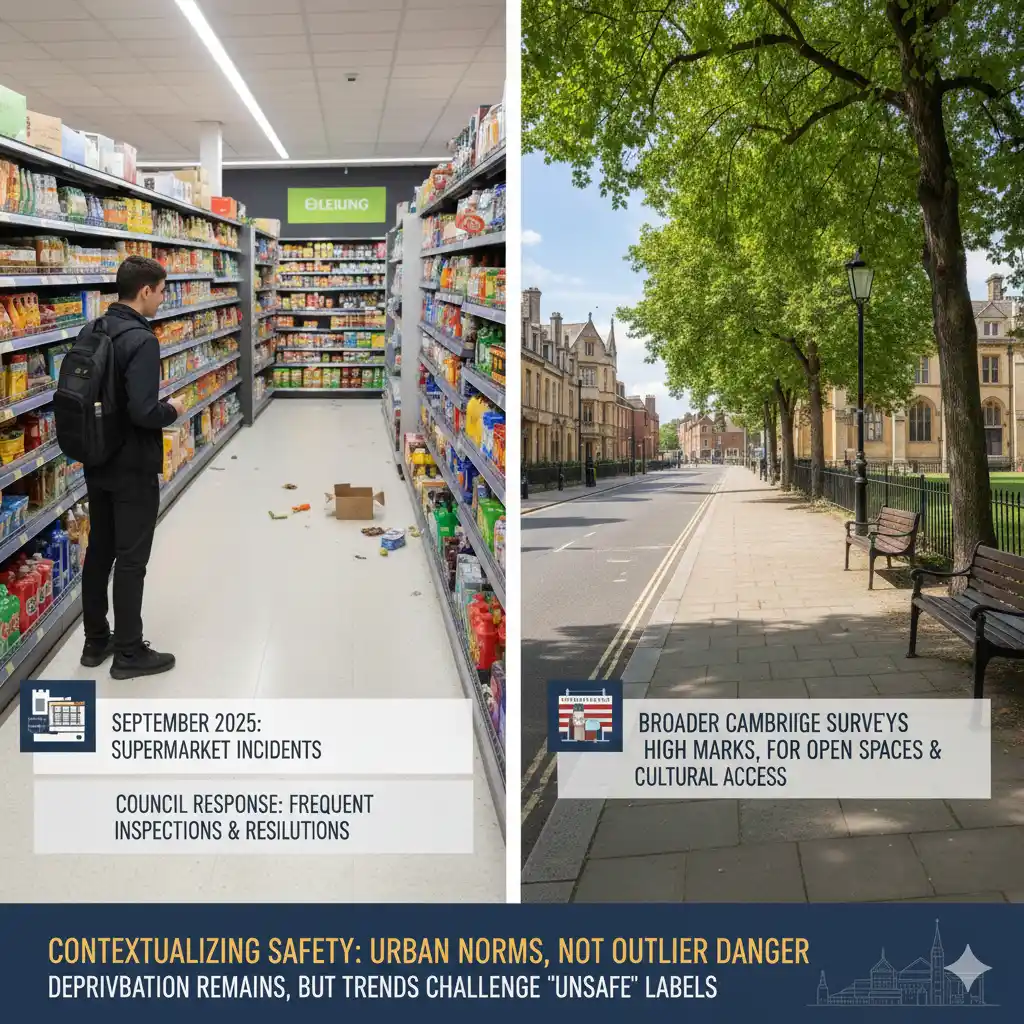
Crime rates in King’s Hedges register at 116 per 1,000 residents annually medium on a 10-point scale, mirroring Cambridge borough’s 115 average. Specific streets like Kings Hedges Road see 84.7 to 108 per 1,000, higher than Arbury’s baseline but with mixed hotspots: low-to-medium zones dominate, punctuated by busier spots near supermarkets prone to shoplifting. Violence and sexual offenses lead reports, yet over the past decade, overall crime has dropped 45% in some areas, with burglary plunging 66% year-over-year.
Comparisons contextualize this: the ward aligns with urban norms, not outlier danger. A September 2025 snapshot showed supermarket-related incidents like shoplifting and minor violence, but council responses frequent inspections and resolutions keep escalation low. Broader Cambridge surveys rate streets safe, with high marks for open spaces and cultural access. While deprivation lingers, making it Cambridge’s most unequal spot relative to Science Park wealth, trends point downward, challenging “unsafe” labels.
Long-term declines, like 117% rises in some micro-areas offset by broader falls, underscore progress. Police data hotspots cluster commercially, not residentially, suggesting perceptual biases amplify isolated events into ward-wide stigma.
Why the Misunderstood Reputation Persists
Stereotypes cling to King’s Hedges from its 1970s origins: council estates evoked images of neglect, amplified by early vandalism and remoteness from Cambridge’s gilded core. Media echoes this, focusing on deprivation amid Science Park prosperity, ignoring resident voices calling for facilities since 1965. Yet locals highlight overlooked positives, like cycling networks reducing car reliance and busway links shrinking distances.
Perception gaps widen with inequality: while the city thrives, north wards like this lag, fueling assumptions. Social media amplifies rare incidents, overshadowing quiet wins like falling crime. Residents decry this as misunderstanding, pointing to family-friendly vibes and community events as true measures of safety.
Community Strength and Hidden Gems
King’s Hedges thrives on grassroots energy. NCCP events science clubs, family gatherings build connections, boosting wellbeing through skills and friendships. King’s Hedges Primary School earns Ofsted praise for inclusive education, meeting diverse needs effectively, while The Grove Primary adds options.
Pulley Park’s 2025 reopening with safe, inspected gear delights children, backed by RoSPA-qualified checks beyond national standards. Cultural ties via Kettle’s Yard’s North Cambridge program invite locals to panels and Community Days, blending art with neighborhood pride. Cambridge 2030 strategies eye accessible venues, addressing 1960s oversights.
Pubs and college foster social hubs, with regeneration whispers promising more cohesion.
Ongoing Regeneration and Future Promise
Major investments signal turnaround: £80 million could deliver 400+ homes, shops, and parks in north Cambridge, including Kingsway estate overhaul with 99 council and 98 private units plus green space. Greater Cambridge’s proposed development corporation eyes thousands of homes, jobs, and infrastructure, leveraging £400 million government funds for transport and hubs.
These moves address deprivation roots, enhancing safety through better housing and amenities. Property values rise 26% in a decade hinting at optimism, with schools boosting appeal for families.
Life in King’s Hedges: Voices and Realities
Residents describe a practical haven: quick city access, affordable living, and neighborly vibes outweigh rare issues. Parents value schools and parks; commuters praise busways. Challenges like inequality persist, but declining crime and investments rewrite the narrative.
King’s Hedges exemplifies urban evolution misunderstood yet evolving, safer than stereotypes suggest. For those eyeing Cambridge life, it offers value and vitality, proving perceptions often lag facts.