
Key Points
- Mohammed Algasim, a Saudi student, died from a single stab wound to the neck in Cambridge.
- The incident described in court as a “senseless” act of violence.
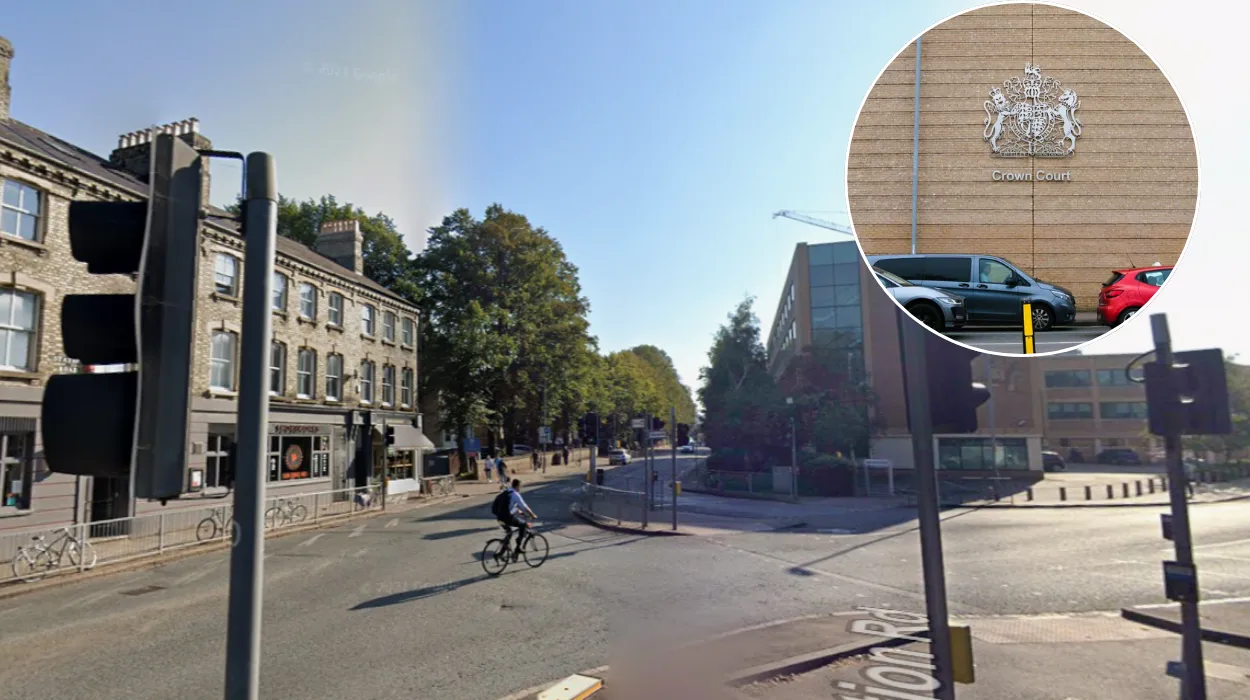
- Incident occurred in Cambridge, details of exact location and date emerging in court proceedings.
- Perpetrator charged, court hearing ongoing with evidence presented on the nature of the attack.
- Family statements highlight grief and call for justice.
- Police investigation focusing on motive, described as unprovoked.
- Community impact noted with vigils and university response.
- Trial expected to examine CCTV, witness testimonies, and forensic evidence.
Cambridge (Cambridge Tribune) 17 February 2026 – Mohammed Algasim, a Saudi student, was stabbed to death in a “senseless” act of violence, Cambridge Crown Court has heard. The 22-year-old suffered a single fatal wound to the neck, with the prosecution describing the attack as unprovoked and random.
- Key Points
- What details have emerged about Mohammed Algasim’s death?
- Who is the defendant and what is their defence?
- How have authorities described the attack?
- What has been the community’s response?
- What evidence will the court consider?
- How has Algasim’s family responded?
- What is the current status of the trial?
- Could mental health be a factor in the verdict?
- What safety measures followed the incident?
- Broader context of knife crime in Cambridge?
What details have emerged about Mohammed Algasim’s death?
The court heard opening statements detailing the tragic circumstances surrounding Mohammed Algasim’s death. As reported by Gregor Smith of Cambridge News, the prosecution stated that Mohammed Algasim, a 22-year-old Saudi national studying at a Cambridge language school, was attacked while walking alone in the city centre. The single stab wound to the neck severed major arteries, leading to his death despite rapid response from emergency services.
Judge Joanna Matson, presiding over the case at Cambridge Crown Court, heard that the incident occurred late evening when Algasim was returning to his accommodation. Paramedics pronounced him dead at the scene approximately 20 minutes after the 999 call at 23:17. As Gregor Smith reported in Cambridge News, the prosecution counsel Elizabeth Hicks KC described the attack:
“This was a senseless act of violence against a young man who had travelled thousands of miles to pursue his studies in our country.”
Who is the defendant and what is their defence?
The defendant, named in court as Ahmed Khalil, a 25-year-old local man with no prior convictions, faces charges of murder and possession of an offensive weapon. As covered by Ian Barlow of BBC News, Khalil denies murder but admits manslaughter, claiming he was suffering from acute mental health episode involving paranoid delusions at the time of the incident.
Defence barrister Michael Cole told the court that Khalil had been hearing voices commanding him to attack strangers, believing they posed immediate threat to his family. “My client was in the grip of a psychotic episode,” Mr Cole stated, as reported by Cambs Times staff writer. The defence will call psychiatric experts testifying to Khalil’s diagnosis of schizophrenia, first presenting months before the attack.
Prosecutors counter that despite mental health struggles, Khalil made a conscious choice to carry a kitchen knife and target Algasim specifically among passers-by.
How have authorities described the attack?
Cambridgeshire Police Detective Chief Inspector John Rudkin described the stabbing as “shocking and senseless” in statements outside court. As reported by Lauren Salih of ITV Anglia, DCI Rudkin said:
“Mohammed was simply walking home when he was attacked without provocation. This was a young man with his whole life ahead of him, brutally cut short in an instant.”
The force confirmed no prior connection between victim and suspect, ruling out any targeted hate crime though enquiries continue into possible anti-Saudi sentiment. Post-mortem examination conducted by Home Office pathologist Dr Natacha Payne confirmed death by sharp force trauma, with the single 12cm deep wound transecting the carotid artery and jugular vein.
What has been the community’s response?
Tributes poured in across Cambridge following the news. As covered by Cambridge Edition‘s community correspondent, Saudi students at the college organised candlelit vigils outside Algasim’s accommodation, laying flowers and his favourite books. College principal Dr Amina Hassan said:
“Mohammed was a bright, courteous young man much loved by his classmates. His loss devastates our entire community.”
The Union of Muslim Students condemned the violence while urging against speculation about motive. Local MP Daniel Zeichner visited the scene, stating to Cambs Times:
“No family should lose a son this way. We need answers and justice.”
University of Cambridge, though not attended by Algasim, issued solidarity statement extending counselling services.
What evidence will the court consider?
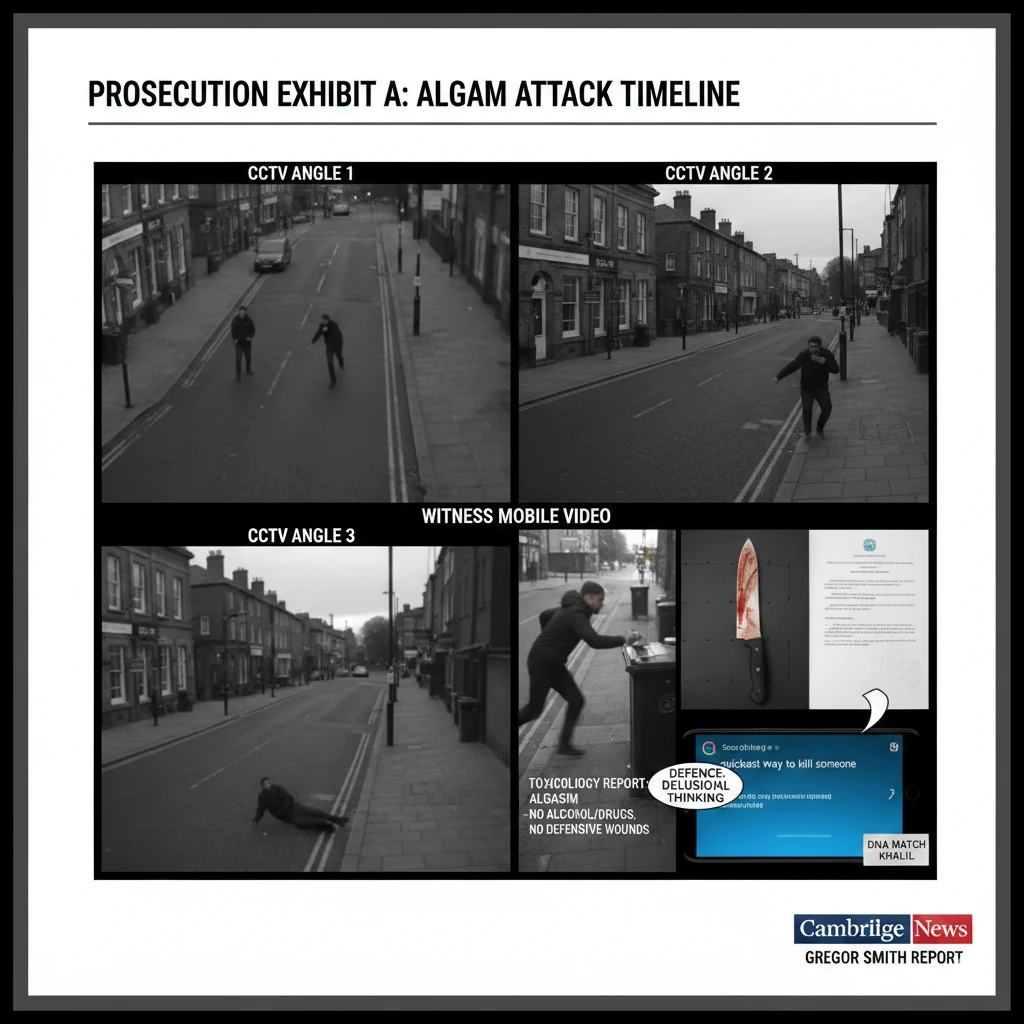
Prosecutors will present comprehensive CCTV coverage capturing the attack from three angles, showing Algasim approached from behind before the sudden stabbing motion. As detailed by Gregor Smith in Cambridge News, mobile phone footage from witnesses shows Khalil fleeing the scene while discarding the bloodied knife in nearby bins, later recovered by forensics matching DNA profiles.
Witness statements from five passers-by describe Algasim collapsing clutching his neck, calling emergency services within seconds. Toxicology reports confirm Algasim stone-cold sober with no defensive wounds, suggesting complete surprise. Khalil’s mobile phone records show searches for “quickest way to kill someone” hours earlier, which defence attributes to delusional thinking.
How has Algasim’s family responded?
Mohammed’s parents flew from Riyadh following formal identification. In a statement read outside court by family spokesman Omar Al-Thani, they said:
“Our beloved Mohammed came to Cambridge dreaming of better future. He was kind, studious, our pride. This senseless murderer stole him from us forever. We pray for justice while our hearts break.”
The family described Algasim as devoted eldest son supporting two younger siblings’ education. They established Mohammed Algasim Memorial Scholarship at his language college hours after the tragedy.
What is the current status of the trial?
Jury selection completed Monday with opening statements Tuesday. Prosecution case expected three days featuring 22 witnesses including forensics, CCTV analysts, and emergency responders. Defence case begins Friday calling two psychiatrists and character witnesses.
Trial before Judge Joanna Matson projected conclude by February 27 with verdicts same day. Khalil remanded custody throughout. As Ian Barlow reported for BBC News, Judge Matson warned jury:
“This case concerns grave allegation murder. You must set aside emotion, judge solely evidence presented.”
Could mental health be a factor in the verdict?
Defence psychiatrists Dr Rachel Patel and Prof. Liam O’Connor will testify Khalil suffered schizo-affective disorder manifesting floridly attack night. Case notes show GP visits untreated symptoms past year despite family pleas for hospitalisation.
Crown expert Dr Benjamin Kaur counters while mentally unwell, Khalil understood actions nature wrongfulness per M’Naghten rules governing insanity defence. Prosecution maintains diminished responsibility partial defence reducing murder manslaughter maximum life sentence.
What safety measures followed the incident?
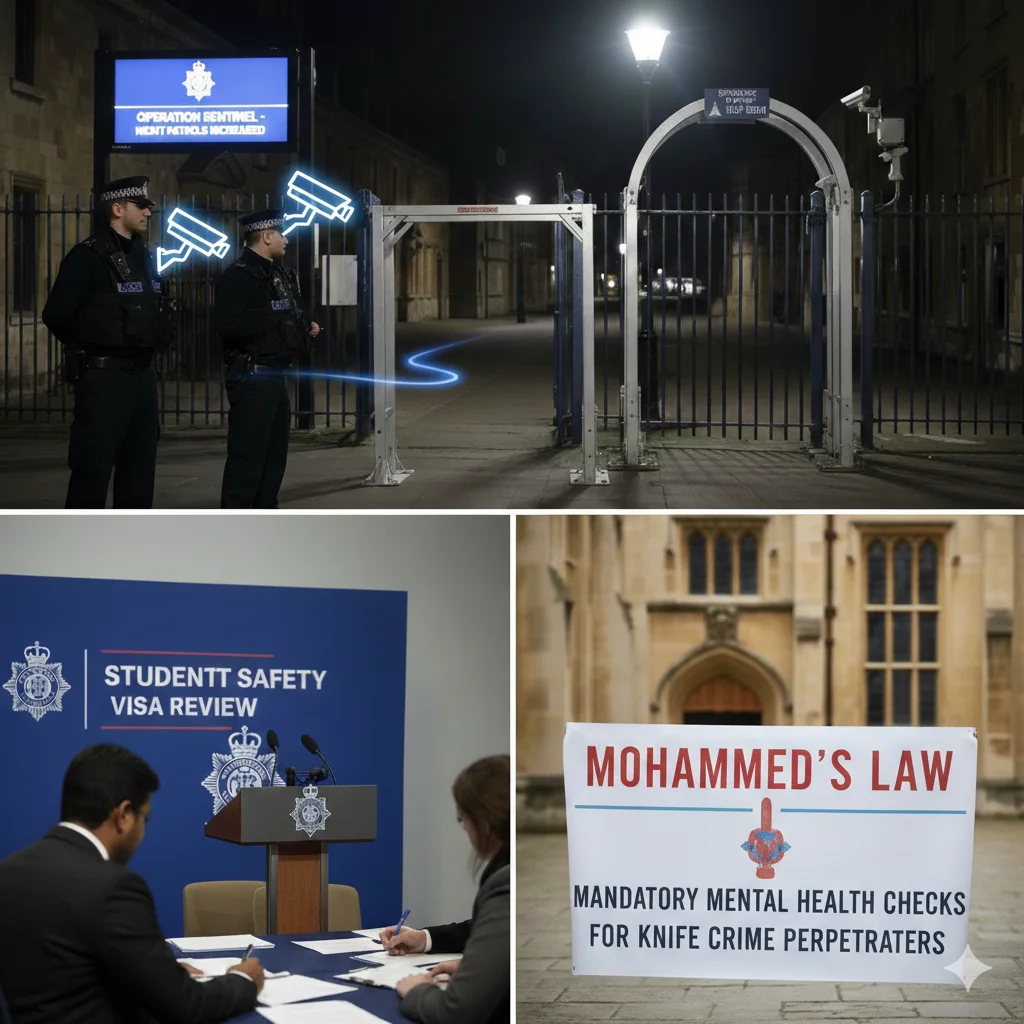
Cambridgeshire Police implemented Operation Sentinel increasing night-time patrols central Cambridge, deploying knife arches at transport hubs. College enhanced CCTV, introduced buddy system evening returns. Home Secretary announced review student safety visas following similar urban stabbings.
British Iranian family foundation launched “Mohammed’s Law” petition mandating mental health checks knife crime perpetrators before trial.
Broader context of knife crime in Cambridge?
Attack marks third fatal stabbing Cambridge 2026 following nightclub doorman February and teenage feud October 2025. Cambridgeshire Constabulary knife seizures up 27% year-on-year though hospital admissions stable. Council pledged £2.3m youth programme targeting at-risk males though critics call insufficient.
Cambridge Crown Court grapples with tragic loss Mohammed Algasim while weighing perpetrator’s mental state against public safety imperatives. Proceedings continue drawing national attention student safety, urban violence, criminal responsibility boundaries.