
Key Points
- A Cambridgeshire Police officer has been suspended from driving duties after a marked police vehicle became stuck in a car trap on the Guided Busway approach in St Ives, Cambridgeshire.
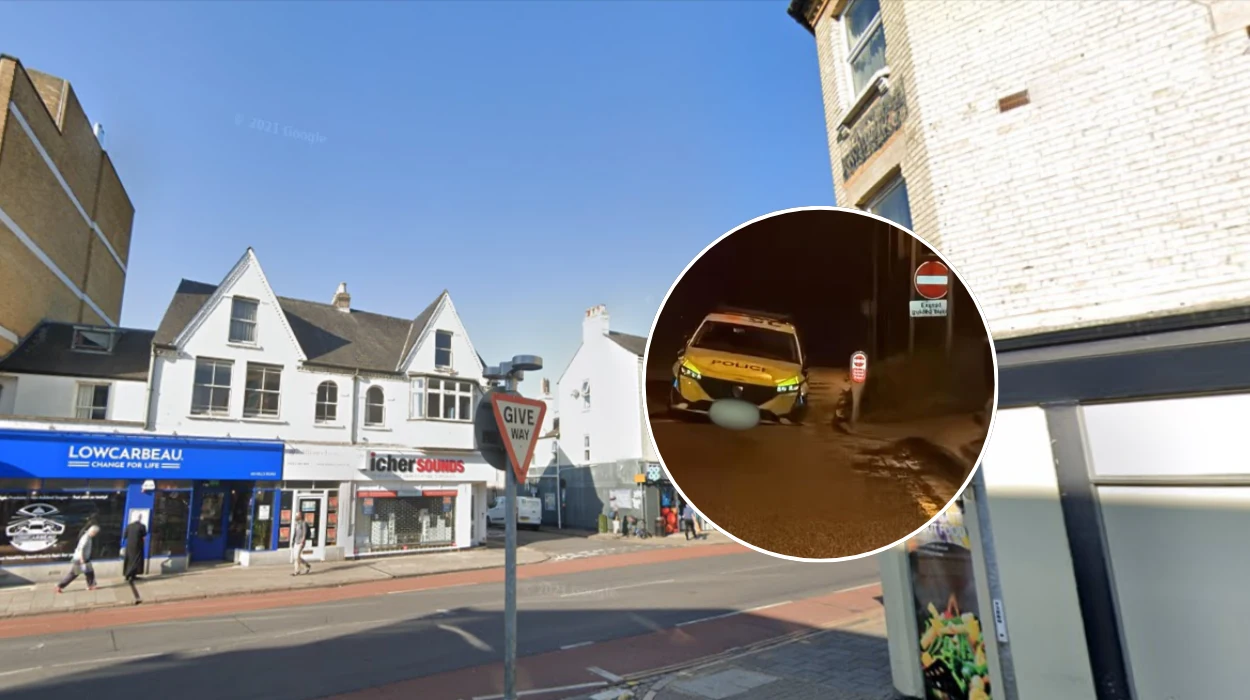
- The incident happened in Station Road, St Ives, near the notorious Guided Busway “car trap” in the early hours of Saturday 7 February, at about 12.40am, while officers were responding to an emergency call.
- Cambridgeshire Police confirmed that no one was injured when the police vehicle entered the busway car trap and became stuck.
- A force spokesperson said the vehicle was recovered at around 3am and that the officer involved has been suspended from driving pending an internal investigation.
- The St Ives car trap, located where the Guided Busway meets the road network, has a long‑standing local reputation, with residents reporting vehicles becoming stuck there on a regular basis over several years.
- The trap forms part of the Cambridgeshire Guided Busway system, designed to allow buses to cross major roads while preventing general traffic from entering the busway, using a deep pit between the bus tracks as a physical deterrent.
- Local residents and social media commenters have previously highlighted repeated incidents of cars and vans entering the St Ives car trap despite prominent “guided bus only” and “no entry” signage and red carriageway markings.
- Video and images of past incidents at the same trap – including a motorist puncturing tyres at the guided bus lane car trap in St Ives in March 2024 – have circulated widely online, fuelling debate about the trap’s design, signage and safety.
- In online local groups, some residents defend the car trap as an essential safety and traffic‑management measure, while others criticise it as a “notorious” hazard that continues to catch drivers out.
- Cambridgeshire Police have not named the officer involved or provided details of the emergency call to which the vehicle was responding at the time of the incident.
- The internal investigation will examine how a trained police driver came to enter a clearly restricted section of the busway, and whether additional training or local guidance may be required.
Cambridgeshire (Cambridge Tribune) February 9, 2026 –A Cambridgeshire Police officer has been suspended from driving duties after a marked force vehicle became stuck in the notorious Guided Busway car trap on Station Road in St Ives while responding to an emergency in the early hours of Saturday.
- Key Points
- What happened when the police car entered the St Ives car trap?
- How did Cambridgeshire Police describe the incident?
- Why is the St Ives Guided Busway car trap considered ‘notorious’?
- How often have vehicles been caught by the trap in the past?
- What is the design and purpose of the car trap?
- How have local residents reacted to recurring incidents at the trap?
- What do we know about the police officer and the investigation?
- How does this incident compare with previous St Ives car trap cases?
- Could the incident prompt changes to the car trap or police procedures?
- What happens next?
What happened when the police car entered the St Ives car trap?
Cambridgeshire Police confirmed that the patrol vehicle was travelling along Station Road in St Ives at about 12.40am on Saturday 7 February when it entered the Guided Busway access and became lodged in the car trap, a deep pit designed to stop unauthorised vehicles. As reported by a spokesperson for Cambridgeshire Police, the force vehicle was “responding to an emergency” at the time it went into the trap, and no injuries were sustained by those inside.
The Guided Busway at this point intersects with the local road network, and the car trap forms a physical barrier between the general carriageway and the segregated bus track. According to descriptions of the site shared by local residents on online forums, the approach is marked with multiple “guided bus only” and “no entry” signs, and the road surface is painted red with large lettering warning drivers not to proceed.
How did Cambridgeshire Police describe the incident?
As reported by an unnamed spokesperson for Cambridgeshire Police, and carried in local coverage, the force statement said: “A police vehicle was responding to an emergency when it became stuck in a car trap in Station Road, St Ives at about 12.40am on 7 February. No injuries sustained. Vehicle was recovered by about 3am. The officer has been suspended from driving while an investigation takes place.”
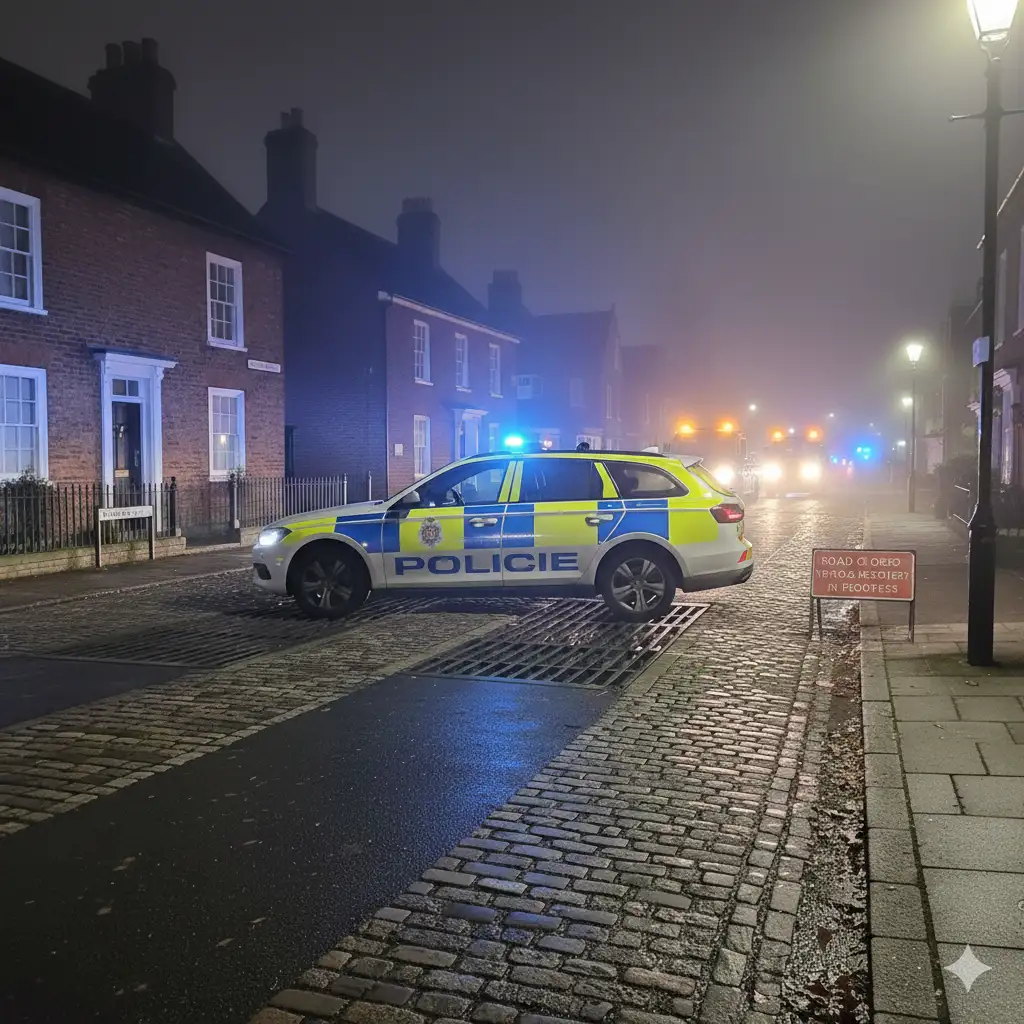
The wording of the statement underlines that the primary concern was public and officer safety, and confirms that the sequence from impact to recovery lasted a little over two hours. The force has not released further operational details about the nature of the emergency call or whether another unit was immediately dispatched to cover the original incident.
Why is the St Ives Guided Busway car trap considered ‘notorious’?
The car trap where the police vehicle became stuck forms part of the Cambridgeshire Guided Busway, which runs between Cambridge and St Ives and is built on a former railway alignment, with dedicated bus tracks and an adjacent pedestrian and cycle path. As explained by a local contributor using the name “muppet2011ad” on a widely discussed Reddit thread, the trap exists “to limit access to buses only” at the point where the busway crosses Harrison Way and enters St Ives, preventing cars from using the busway as a rat run through the town centre.
Over time, the trap has gained a reputation among local residents and drivers because of repeated incidents in which cars, vans and other vehicles have entered the restricted approach and ended up grounded in the pit. As reported in a St Ives‑focused Facebook group post from November 2024, “The St Ives car trap claimed one of its most recent victims on Friday” when a “Highway Maintenance” van drove into the trap, prompting renewed local discussion.
How often have vehicles been caught by the trap in the past?
While there is no single official tally publicly available for every incident at the St Ives car trap, local social media archives and residents’ comments point to a pattern of regular mishaps. In the November 2024 episode highlighted by a local Facebook group, a highway maintenance vehicle became stuck in the trap, underlining that even professional drivers can be caught out by the configuration.
The broader record of similar incidents on the Cambridgeshire Guided Busway includes a March 2024 case reported by BBC regional news, in which a driver punctured tyres at a guided bus lane car trap in St Ives on the Harrison Way section of the busway. As reported by BBC News, that earlier incident involved a private motorist rather than an emergency vehicle and again raised questions about whether the existing warning measures were sufficient.
What is the design and purpose of the car trap?
According to detailed explanations shared by local transport users in online discussions, the car trap is a deep pit placed between the two narrow concrete guide tracks used by buses, which are equipped with guide wheels that keep them aligned. For a bus, the pit is spanned by the widely spaced wheels, but for an ordinary car with a narrower wheelbase, entering the trap causes one or both axles to hang or drop, immobilising the vehicle and preventing it from travelling further onto the busway.
Commenters have noted that the trap was chosen as a lower‑cost alternative to automatic rising bollards or more complex access‑control systems, while still providing a robust deterrent to unauthorised traffic. One local contributor stated that “the pit itself was chosen since it was cheaper than automatic bollards or anything more complicated,” adding that there are multiple no‑entry and guided‑bus‑only signs, as well as coloured surfacing, to warn drivers in advance.
How have local residents reacted to recurring incidents at the trap?
As reflected in the 2024 Facebook post about the highway maintenance van and subsequent comments, some residents respond to each new incident with a mixture of frustration and resignation, noting that the trap has been catching drivers for years. Others, particularly in the Reddit discussion, argue that there is adequate advance signage and that drivers who end up in the trap have simply ignored clear warnings.
One commenter described seeing vehicles go into the trap “every week,” while another emphasised that on the approach
“there are I think 2 no entry signs and 2 ‘guided bus only’ signs, and the road is painted red and ‘guided bus only’ in big letters.”
These remarks suggest a community divided between those who consider the trap an obvious and necessary traffic‑management feature and those who see it as an accident‑prone element of local infrastructure.
What do we know about the police officer and the investigation?
Cambridgeshire Police have not released the name, rank or years of service of the officer who was driving the vehicle at the time of the incident. The decision to suspend the officer from driving is a precautionary measure while the force’s internal investigation examines whether driving standards or local route knowledge protocols were breached.

The investigation is expected to look at factors such as the lighting conditions at 12.40am, the urgency of the emergency call, familiarity with the local road layout and whether the route was chosen by the driver or via in‑car navigation. For the duration of the inquiry, the officer will not be permitted to drive police vehicles but will remain available for other duties, in line with standard practice when driving‑related incidents occur.
How does this incident compare with previous St Ives car trap cases?
Unlike many previous incidents at the St Ives car trap, which have involved private motorists or commercial vehicles, this latest episode concerns a trained emergency‑service driver operating under blue‑light conditions. That distinction is likely to attract additional scrutiny from both the force and the public, given that police drivers receive specialist training in high‑speed and pursuit driving as well as local familiarisation.
Earlier cases, such as the highway maintenance van highlighted by local social media in 2024 and the motorist who punctured tyres at the Harrison Way trap reported by BBC News the same year, did not involve emergency responses, though they similarly resulted in disruption while vehicles were recovered. In each instance, online images and video of stranded vehicles have reignited debate over whether the trap’s design is proportionate to its purpose and whether additional measures – such as revised road markings or physical chicanes – might further reduce the risk of error.
Could the incident prompt changes to the car trap or police procedures?
While no formal review of the St Ives car trap has been announced in direct response to the police vehicle becoming stuck, repeated incidents over recent years have already led to modifications to signage and markings around the site. Local observers on Reddit have noted that new signs have been added “for when you’re turning onto the road with the trap, to show that going left doesn’t have a through route,” suggesting that highway authorities are incrementally refining the layout.
Within Cambridgeshire Police, the outcome of the current investigation could prompt updated guidance for officers on routes that intersect with the Guided Busway and its access points, especially during night‑time emergency responses. Any recommendation to alter driver training or operational route‑planning would form part of the force’s internal learning process and may not be made public in full, but the suspension of the officer from driving indicates that the incident is being treated as a serious matter.
What happens next?
The immediate operational consequences of the incident have already been addressed, with Cambridgeshire Police confirming that the stuck vehicle was recovered by about 3am, allowing the busway access to return to normal use. The internal investigation into the officer’s driving will continue, and any disciplinary or remedial outcomes are likely to be determined once the full circumstances have been established.
For local residents in St Ives and users of the Guided Busway, the episode is the latest in a series of reminders that, despite extensive signage and a well‑known reputation, the car trap continues to pose a risk to inattentive or unfamiliar drivers – in this case, even one behind the wheel of a police car on an emergency run. Whether the incident ultimately contributes to further changes in road design, signage or policing practice will depend on the findings of the investigation and any subsequent reviews by the highway authority and the force.