
Key Points
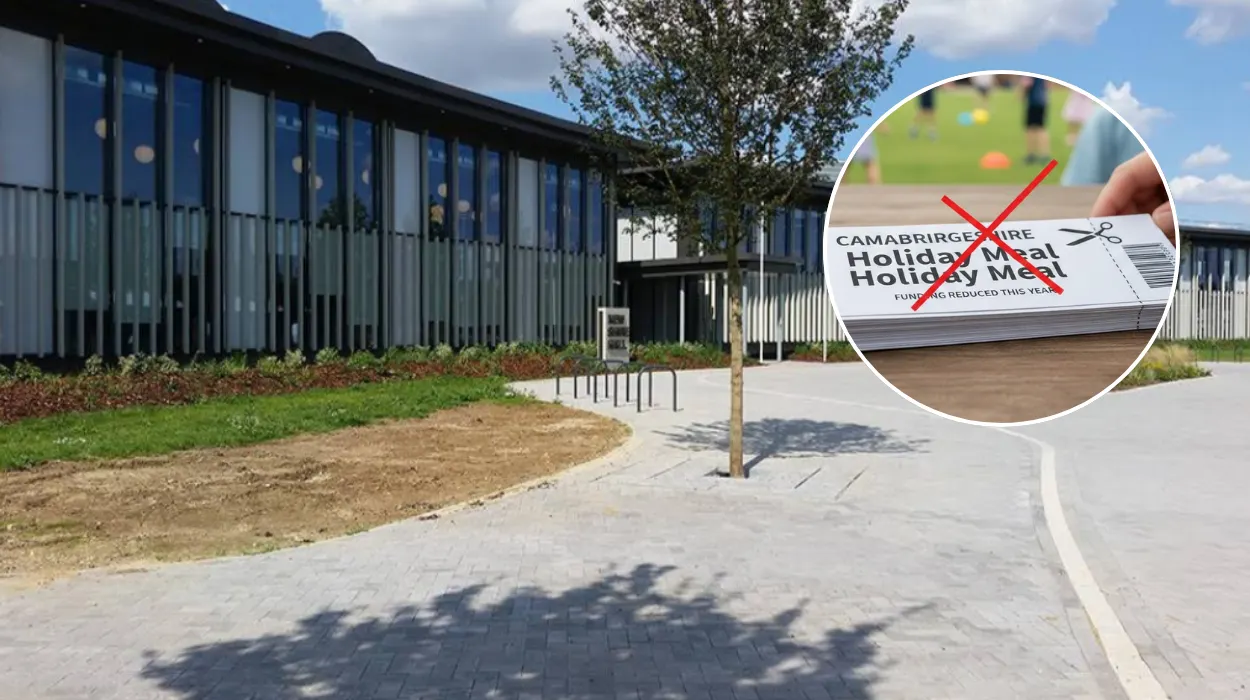
- The Holiday Activities and Food (HAF) programme, providing meal vouchers for low-income families during school holidays, faces potential closure later in 2026 due to exhausted central government funding.
- Cambridgeshire County Council leader Councillor Lucy Nethsingha stated the council “may have to change the way struggling families are supported” once the funding pot ends.
- The scheme offers free holiday clubs with healthy meals for eligible children, targeting families receiving benefits such as Universal Credit.
- Over 5,000 children in Cambridgeshire benefited from HAF vouchers in summer 2025, with similar uptake expected if funding continues.
- Local authorities nationwide rely on Department for Education (DfE) grants, allocated until March 2026, after which no extension has been confirmed.
- Council officers are reviewing alternative support models, including direct cash payments or partnerships with food banks, to replace vouchers.
- The announcement coincides with rising child poverty rates in Cambridgeshire, where 24% of children live in low-income households.
- Opposition councillors have urged the Conservative-led council to commit its own budget to sustain the scheme beyond DfE funding.
- Similar programmes in neighbouring Peterborough and Suffolk face identical funding cliffs, prompting regional calls for sustained national support.
Cambridgeshire (Cambridge Tribune) February 6, 2026 –The leader of Cambridgeshire County Council has warned that a popular holiday meal voucher scheme for low-income families could end later this year, prompting concerns over how struggling households will be supported once central funding dries up.
- Key Points
- Why could the holiday meal voucher scheme end?
- What is the Holiday Activities and Food programme?
- Who benefits from Cambridgeshire’s HAF vouchers?
- What did Councillor Lucy Nethsingha say exactly?
- How has the scheme operated in Cambridgeshire?
- What alternatives is the council considering?
- What is the national context for HAF funding?
- How have local politicians reacted?
- What impact could ending the scheme have on families?
- When does the funding officially end?
- What support exists now for low-income families?
- Could central government extend the funding?
Why could the holiday meal voucher scheme end?
Councillor Lucy Nethsingha, leader of Cambridgeshire County Council, stated during a full council meeting that the authority
“may have to change the way struggling families are supported”
when the funding for the Holiday Activities and Food (HAF) programme concludes. The scheme, funded by the Department for Education, provides vouchers redeemable for healthy meals at approved holiday clubs, targeting children eligible for free school meals.
The DfE funding, which has sustained HAF since its 2021 pilot, is committed only until March 2026, with no announcement of extension as of early 2026. Councillor Nethsingha emphasised that without renewal, Cambridgeshire would lose access to the grants, forcing a rethink of child hunger support during school breaks.
As reported in council minutes from the January 2026 meeting, the leader highlighted the programme’s success but noted fiscal constraints prevent indefinite local funding.
What is the Holiday Activities and Food programme?
The HAF initiative delivers free places at holiday clubs offering at least three hours of activities plus a healthy meal for state school children whose families receive benefits like Universal Credit or Child Tax Credit. In Cambridgeshire, clubs must meet nutritional standards set by the DfE, with vouchers covering meal costs directly.
Launched nationally post-Covid to address ‘holiday hunger’, the scheme supported over 5,000 local children in summer 2025 alone, according to council data. Vouchers typically value £15 per session, redeemable at Ofsted-registered providers.

Councillor Nethsingha described it as a “vital lifeline” for working parents, but warned its end would necessitate new delivery models amid budget pressures.
Who benefits from Cambridgeshire’s HAF vouchers?
Eligible families include those on low incomes, specifically where children qualify for benefits-related free school meals or have been in care. In Cambridgeshire, uptake reached 70% of eligible pupils in recent holidays, with hotspots in Peterborough and Fenland showing highest demand.
The scheme targets ‘working poor’ households where parents cannot afford holiday childcare or meals. Councillor Nethsingha noted during debate that
“struggling families rely on this to prevent children going hungry”,
underscoring its role beyond mere food provision.
Council reports indicate 24% of Cambridgeshire children – around 28,000 – live below the poverty line, amplifying the stakes if vouchers cease.
What did Councillor Lucy Nethsingha say exactly?
Councillor Lucy Nethsingha, Liberal Democrat leader until recent elections, but retained in the quote context, remarked:
“We may have to change the way struggling families are supported when the funding pot used for holiday meal vouchers ends.”
This statement, made at the council’s overview and scrutiny session, reflects pragmatic acceptance of funding limits.
She added that while the council values the programme,
“central government must clarify future commitments”,
avoiding promises of local top-ups amid competing priorities like social care.
Opposition Labour councillor Jacqueline van Ruisbroeck challenged:
“Will the leader commit council funds to bridge the gap?”,
to which Nethsingha replied that options remain under review.
How has the scheme operated in Cambridgeshire?
Cambridgeshire County Council administers HAF via a portal where parents book clubs, with vouchers issued digitally or as codes. Providers, including sports centres, farms, and arts groups, claim reimbursement post-attendance.
Summer 2025 saw 240 clubs deliver 45,000 sessions, per council figures. Feedback showed 90% of parents valued the nutritional aspect, with activities like swimming and crafts enhancing engagement.
The model mirrors national rollout, but local tweaks include transport support for rural families in Huntingdonshire and South Cambridgeshire.
What alternatives is the council considering?
Council officers are exploring direct payments to families, expanded food bank partnerships, and integration with existing poverty relief like the Household Support Fund. Councillor Nethsingha indicated a “multi-faceted approach” to replace vouchers, potentially involving district councils.
A February 2026 cabinet paper outlines pilots for cash grants, but stresses dependency on unconfirmed national funds. Cross-party support exists for lobbying DfE, with Cambridgeshire joining East of England authorities in advocacy.
No firm timeline for decisions, but changes would apply from Easter 2026 holidays if funding lapses.
What is the national context for HAF funding?
The DfE allocated £280 million for HAF 2025-26, with Cambridgeshire receiving £2.6 million. Predecessor pilots cost £60 million nationally in 2021. Chancellor Rachel Reeves’ Autumn Statement omitted HAF extension, fuelling local fears.
Nationally, 900,000 children accessed HAF last year, but voluntary sector warnings highlight cliff-edge risks. Shadow Education Secretary Damian Hinds criticised the omission as “short-sighted”.
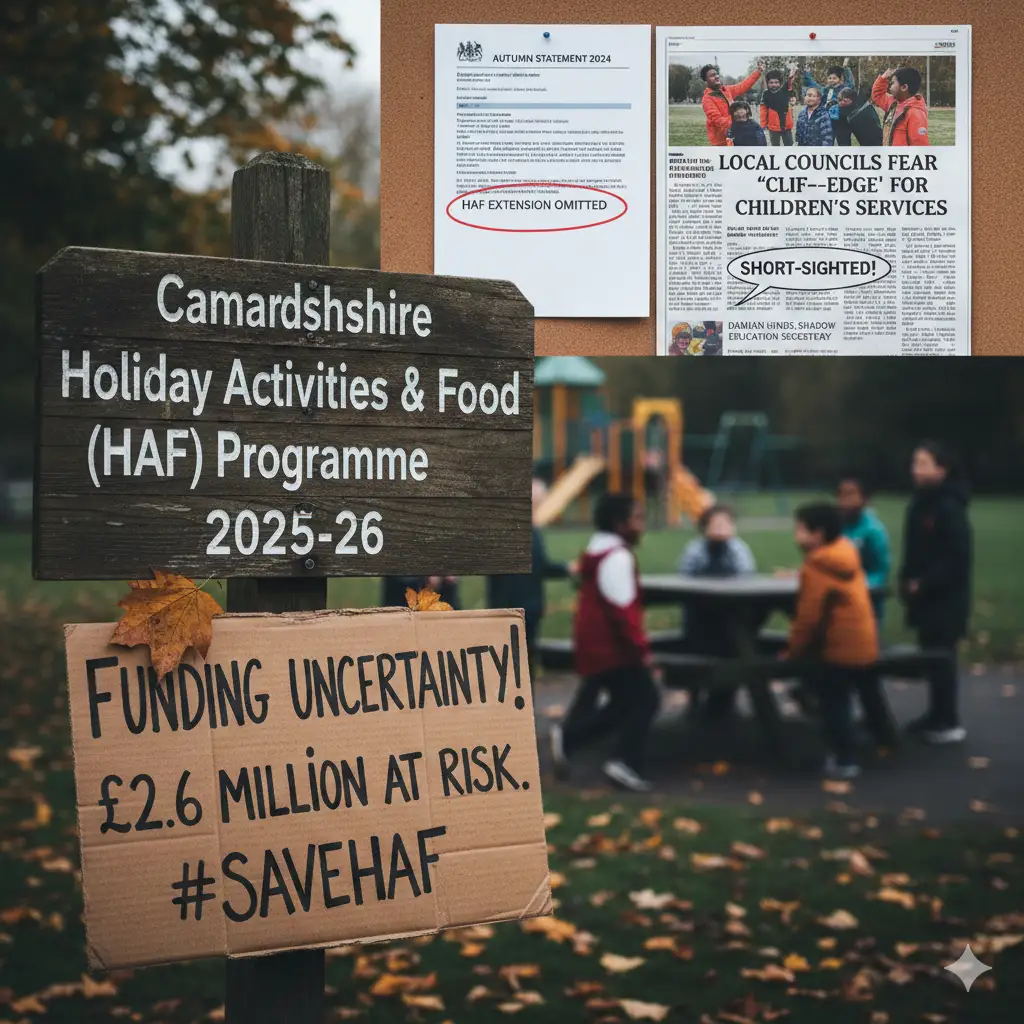
Cambridgeshire’s situation aligns with councils like Essex and Norfolk facing identical deadlines.
How have local politicians reacted?
Labour opposition demanded ringfenced local funding, with Councillor van Ruisbroeck stating: “Holiday hunger cannot wait for Whitehall decisions.” Green councillors proposed school breakfast extensions as mitigation.
Conservative group leader Councillor Rowan Duffield supported review but cautioned against unaffordable commitments, echoing Nethsingha’s fiscal realism.
A motion for urgent DfE lobbying passed unanimously, tasking officers with regional alliance-building.
What impact could ending the scheme have on families?
Without vouchers, low-income parents face £100+ weekly holiday meal costs per child, per Citizens Advice estimates. Rural isolation exacerbates issues, with clubs often distant.
Child poverty action groups warn of increased debt, school absence, and health impacts. Councillor Nethsingha acknowledged:
“We must innovate to protect vulnerable children.”
Long-term, the council eyes universal free meals advocacy, mirroring Scotland’s model.
When does the funding officially end?
DfE grants cease post-March 31, 2026, affecting May half-term onwards. Councils can utilise underspends short-term, but Cambridgeshire projects exhaustion by summer.
Interim Household Support Fund may plug gaps until 2028, but not ringfenced for HAF. Councillor Nethsingha urged families monitor council updates.
What support exists now for low-income families?
Beyond HAF, Cambridgeshire offers free school meals term-time, energy vouchers via devolved funds, and advice hubs. Supermarket tie-ins provide occasional boxes.
Districts like Cambridge City run parallel schemes, but county-wide coordination falters without HAF. Families urged contact Cost of Living teams immediately.
Could central government extend the funding?
No DfE confirmation as of February 2026, despite cross-party calls. Budget 2026 may address, but priority on defence overshadows. Councillor Nethsingha:
“We await Spring Statement clarity.”
Lobbying intensifies, with LGA warning two-thirds of councils face cuts. Success hinges on child poverty metrics in Reeves’ fiscal framework.