

Key Points
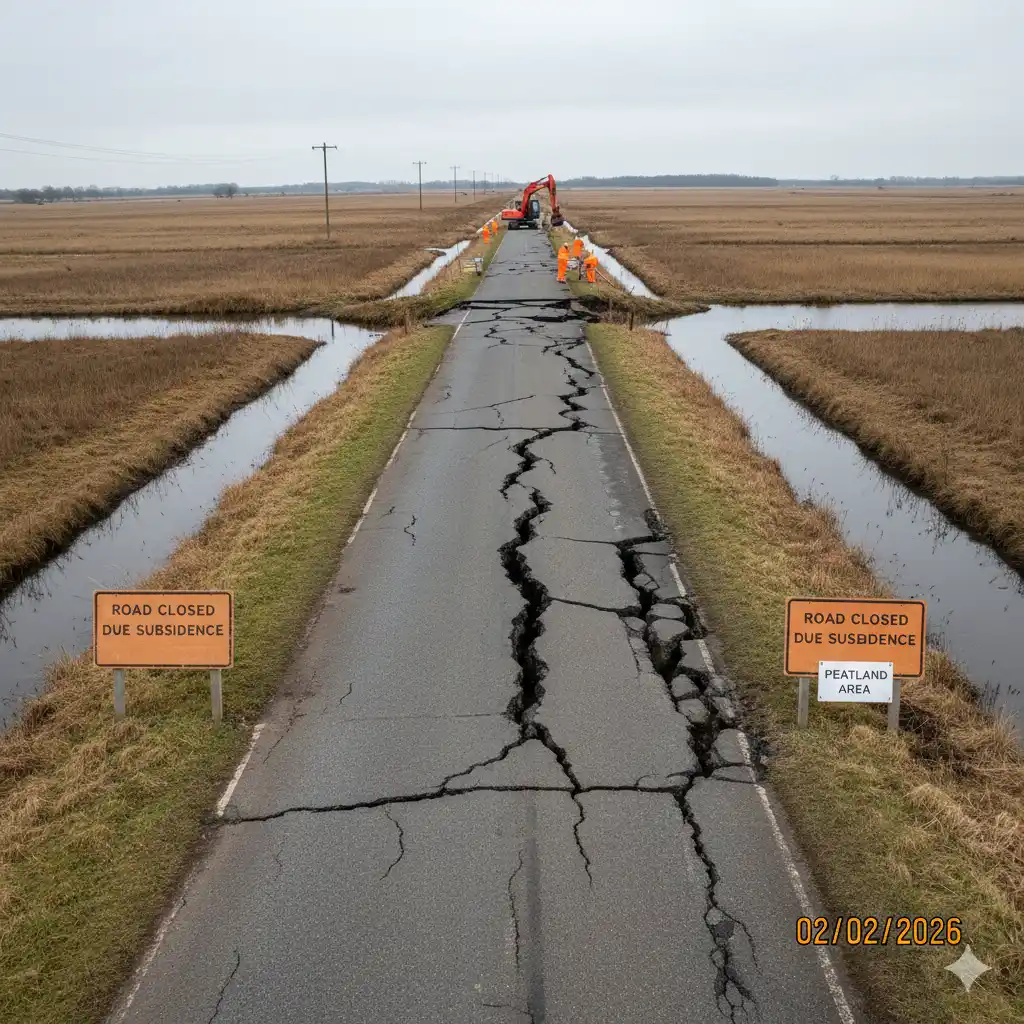
- Part of Sixteen Foot Bank, just outside Chatteris, will be closed for eight weeks starting 2 February 2026 for nearly £1m of repairs due to subsidence caused by peat soil.
- The closure affects a 1.1-mile (1.8-km) stretch, with a detailed diversion route published by Cambridgeshire County Council.
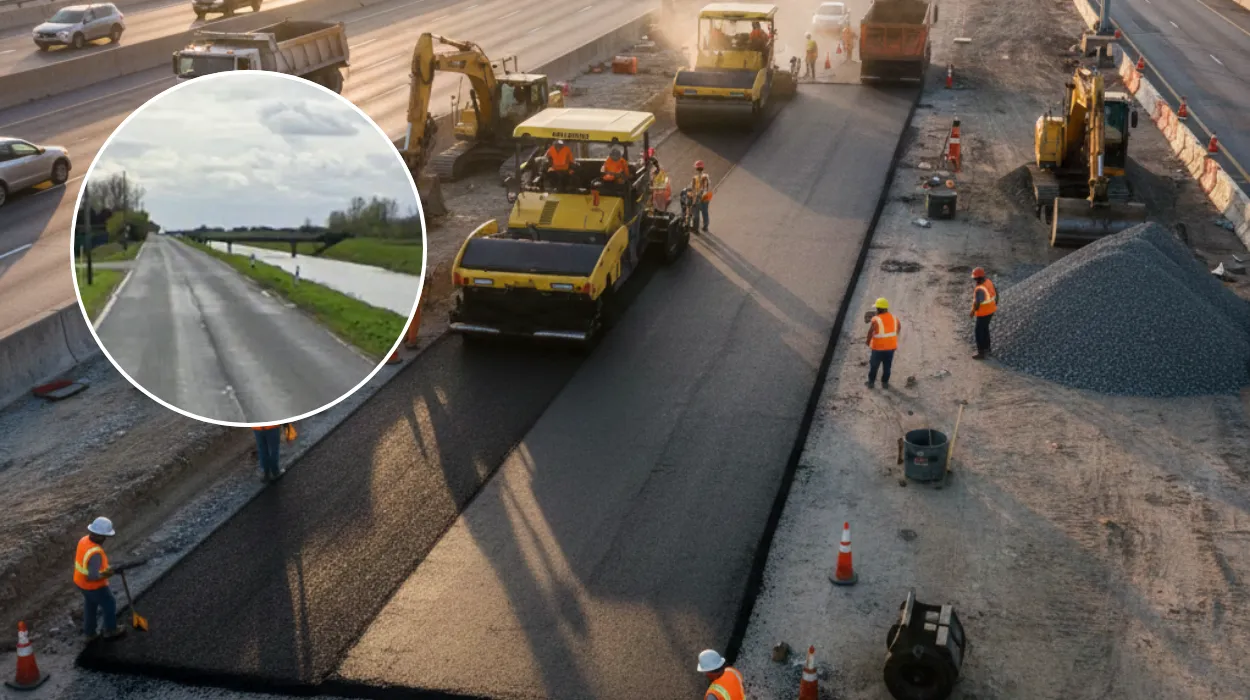
- The work is expected to cost about £950,000 and involves digging down about 40cm (16in) to recycle and re-lay stabilising material before resurfacing.
- About 40% of Cambridgeshire, including most of Fenland, large areas of Huntingdonshire and East Cambridgeshire, consists of peatland, making roads “particularly difficult and expensive to maintain”.
- This repair is part of ongoing work by the local authority to address roads affected by peat soil issues.
- A separate £2.1m project to repair three other major roads in the county began in January 2026.
Cambridgeshire (Cambridge Tribune) February 2, 2026 –A 1.1-mile stretch of Sixteen Foot Bank just outside Chatteris will close for eight weeks from Monday for nearly £1m of repairs to address subsidence caused by peat soil, Cambridgeshire County Council has announced. The council said the work, costing about £950,000, forms part of its ongoing efforts to maintain roads across peatland areas that cover about 40% of the county. Details of a diversion route have been published online by the authority.
- Key Points
- What caused the subsidence on this Cambridgeshire road?
- How does this fit into the council’s broader road repair efforts?
- What is the diversion route for drivers during the closure?
- How challenging is maintaining roads on peat soil in Cambridgeshire?
- What recent road repair projects has the council undertaken?
- When will Sixteen Foot Bank reopen after repairs?
- Who is responsible for these peat road repairs in Cambridgeshire?
- How much will the Sixteen Foot Bank repairs cost taxpayers?
- What impact will the closure have on local traffic near Chatteris?
- Why is peat soil such a problem for Cambridgeshire’s road network?
- Are there other similar road closures planned in the area?
- How does Fenland’s geography exacerbate road maintenance issues?
- What techniques are used in these peat road reconstructions?
Why is Sixteen Foot Bank closing for repairs?
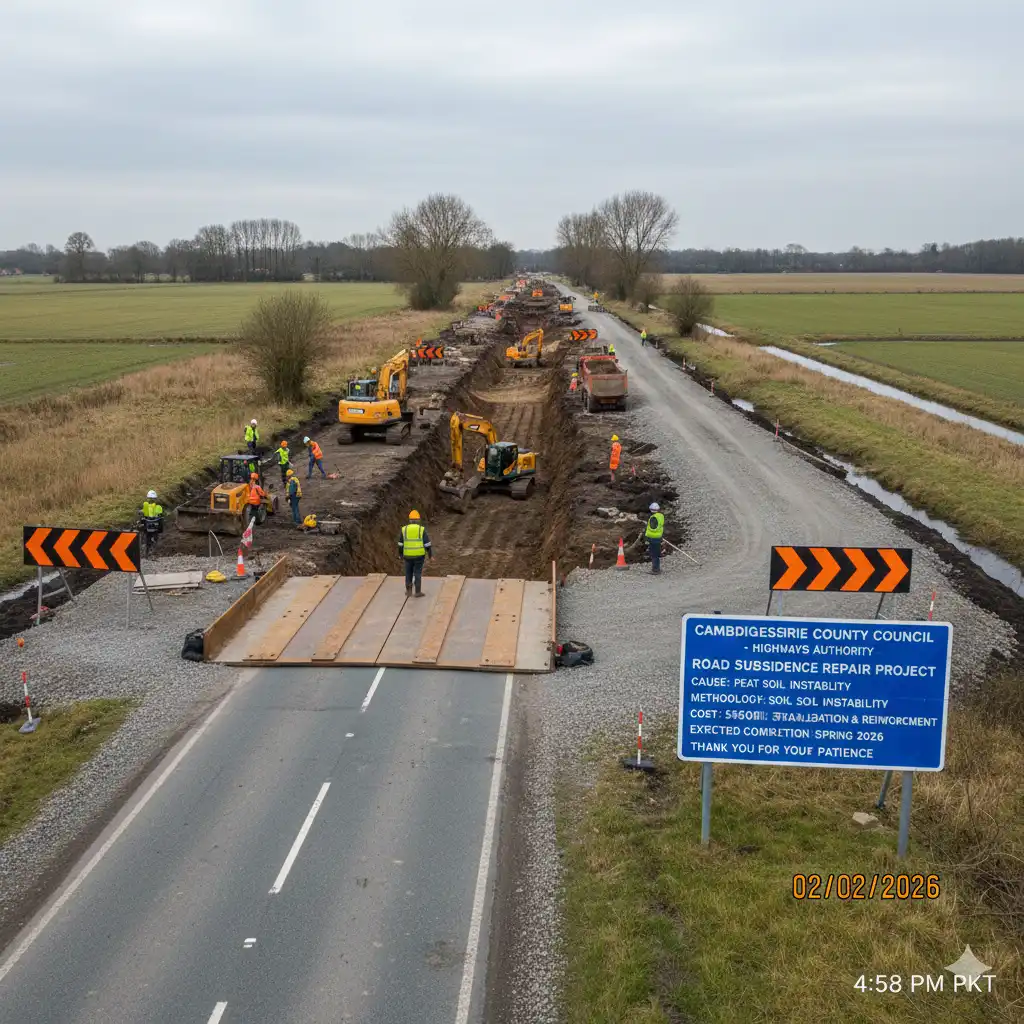
Cambridgeshire County Council stated that peat soil has caused subsidence on the 1.1-mile (1.8-km) stretch of Sixteen Foot Bank, just outside Chatteris. The road will be shut from 2 February 2026, with the closure expected to last eight weeks. As detailed in the council’s announcement, the reconstruction process involves digging down about 40cm (16in), recycling the existing material by grinding it up and re-laying it to stabilise the road base before resurfacing. The total cost of the work stands at about £950,000. Details of the diversion route in place have been published by the council via the one.network platform.
What caused the subsidence on this Cambridgeshire road?
The council explained that peat soil is the primary culprit behind the subsidence. Peatland makes up about 40% of Cambridgeshire, including most of Fenland and large areas of both Huntingdonshire and East Cambridgeshire. This composition renders the area’s roads “particularly difficult and expensive to maintain”, according to the authority. The ongoing nature of such repairs underscores the challenges posed by the geology in these districts, where soft, compressible peat leads to repeated settlement and structural failure in road foundations.
How does this fit into the council’s broader road repair efforts?
This closure is part of ongoing work by Cambridgeshire County Council to repair roads affected by peat soil across the county. In a related development reported by BBC News, a £2.1m project to repair three other major roads began in January 2026. That initiative, as covered in the BBC article, highlights the scale of investment required to tackle similar issues elsewhere in Cambridgeshire, bringing the total recent commitment to road stabilisation into millions of pounds amid persistent peat-related challenges.
What is the diversion route for drivers during the closure?
Cambridgeshire County Council has published details of the diversion route on the one.network website, accessible via a specific link provided in their announcement. Motorists are directed to follow this official signed diversion, which accounts for the full 1.1-mile closure of Sixteen Foot Bank. The council emphasised the need for drivers to plan ahead, given the rural location just outside Chatteris and the potential for increased journey times during the eight-week period.
How challenging is maintaining roads on peat soil in Cambridgeshire?
The council noted that peatland constitutes about 40% of Cambridgeshire’s land area, encompassing most of Fenland district along with substantial portions of Huntingdonshire and East Cambridgeshire. This peat makes “the area’s roads particularly difficult and expensive to maintain”, as stated directly by the authority. The repair technique employed—digging 40cm deep, grinding and re-laying stabilised material—represents a standard response to peat subsidence, but one that demands significant resources and disruption. Such work is recurrent, reflecting the ongoing compressibility of peat under traffic loads and climatic influences.
What recent road repair projects has the council undertaken?
Alongside the Sixteen Foot Bank closure, a £2.1m project to repair three other major roads commenced in January 2026, as reported in a BBC News article. This parallel effort demonstrates the council’s multi-front approach to peat-affected infrastructure. The £950,000 allocation for Sixteen Foot Bank alone brings the spotlight to the cumulative financial burden, with these initiatives forming part of a sustained programme to safeguard key routes in Fenland and adjacent districts.
When will Sixteen Foot Bank reopen after repairs?
The road is scheduled to remain closed for eight weeks from 2 February 2026, placing the anticipated reopening around early April 2026, subject to weather and unforeseen complications. Cambridgeshire County Council has not specified an exact end date but tied the duration to the comprehensive reconstruction process. Drivers are advised to monitor updates via the council’s published diversion details and official channels.
Who is responsible for these peat road repairs in Cambridgeshire?
Cambridgeshire County Council is leading the repairs, as the highways authority for the county. The council has outlined the subsidence cause, methodology, cost (£950,000) and timeline in its public announcement. This aligns with its statutory duty to maintain local roads, particularly those vulnerable to peat soil instability prevalent in 40% of the county’s terrain.
How much will the Sixteen Foot Bank repairs cost taxpayers?
The work on the 1.1-mile stretch is expected to cost about £950,000, funded through the council’s highways maintenance budget. This figure covers excavation to 40cm depth, material recycling, stabilisation and resurfacing. When viewed alongside the £2.1m scheme for three other roads, it illustrates the escalating expenses tied to peatland infrastructure in regions like Fenland, where Chatteris is located.
What impact will the closure have on local traffic near Chatteris?
The eight-week shutdown of Sixteen Foot Bank, a rural road just outside Chatteris, will channel traffic onto the council’s designated diversion route. Published details aim to minimise confusion, but residents and farmers in the Fenland area may experience longer journeys and potential congestion on alternatives. The council’s proactive online mapping via one.network seeks to inform users promptly.
Why is peat soil such a problem for Cambridgeshire’s road network?
Peat’s high organic content leads to shrinkage, settlement and subsidence when drained or loaded, as explained in the council’s statement. Covering 40% of the county—including Fenland, Huntingdonshire and East Cambridgeshire—it demands specialised, costly repairs like those on Sixteen Foot Bank. The authority describes these roads as “particularly difficult and expensive to maintain”, with ongoing interventions essential to prevent deterioration.
Are there other similar road closures planned in the area?
While the query highlights the Sixteen Foot Bank work and the £2.1m project from January, no further specific closures are detailed. However, the council’s reference to “ongoing work” suggests additional peat-related repairs may follow. The BBC-reported £2.1m scheme on three major roads exemplifies the pattern, urging vigilance for updates from Cambridgeshire County Council.
How does Fenland’s geography exacerbate road maintenance issues?
Fenland, where Sixteen Foot Bank lies near Chatteris, forms part of the county’s extensive peatland zone—about 40% overall. This low-lying, historically reclaimed fen geology compresses under weight, causing subsidence as noted by the council. Maintenance proves “particularly difficult and expensive”, necessitating techniques like 40cm-deep stabilisation to restore integrity.
What techniques are used in these peat road reconstructions?
The process for Sixteen Foot Bank entails digging down about 40cm (16in), grinding up existing material, re-laying it for stabilisation and then resurfacing. Cambridgeshire County Council described this recycling method as key to fortifying the base against further peat subsidence. Such approaches balance cost, environmental impact and durability in challenging terrain.